DATABASE / SEARCH

Explore

Archive of technology, entertainment and everyday life

analysis · pre-1950

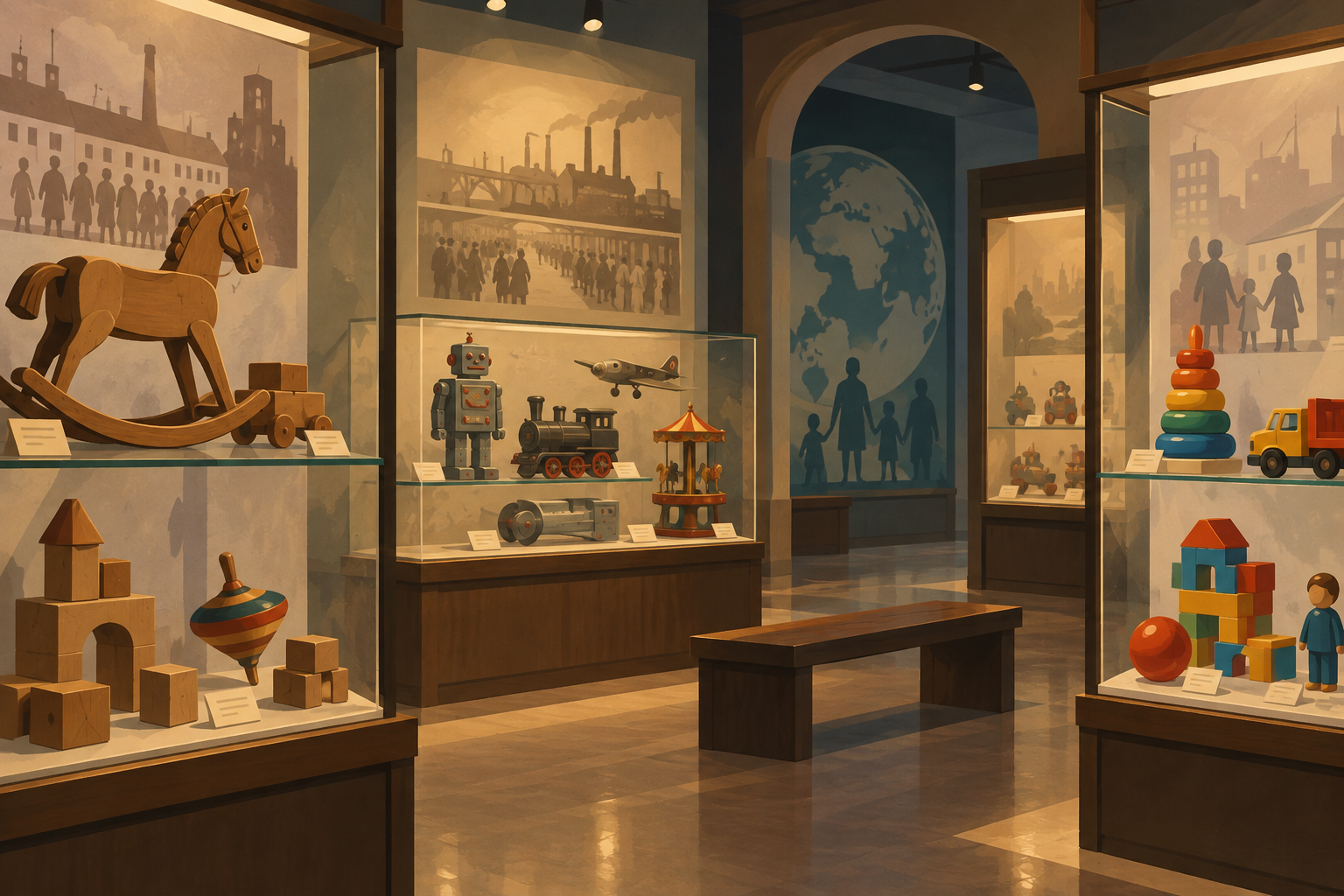
Stickers: From Commercial Incentive to the Ritual of Completing an Album

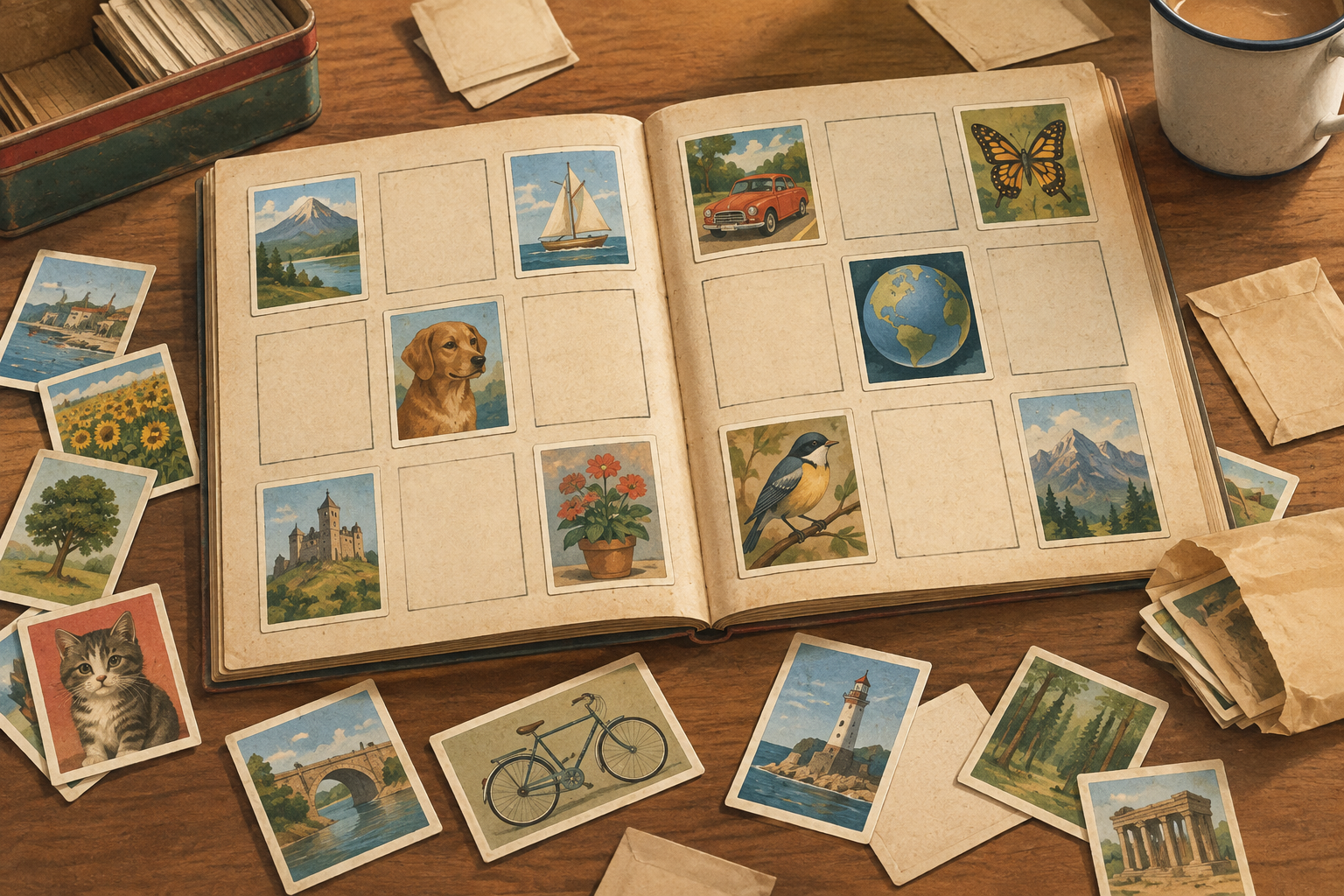
Stickers did not begin as isolated toys. In Spain, the evidence gathered places their antecedents in commercial wrappers from the late nineteenth century, their spread through consumer products in the 1920s, and the sale of packets in the post-war period. This history explains why the album, the duplicate, and swapping form a cultural system of their own.

Open story
verified curiosities · 1960

Puerto Cristal: What an Everyday Archive Can Tell Us About a Mining Camp

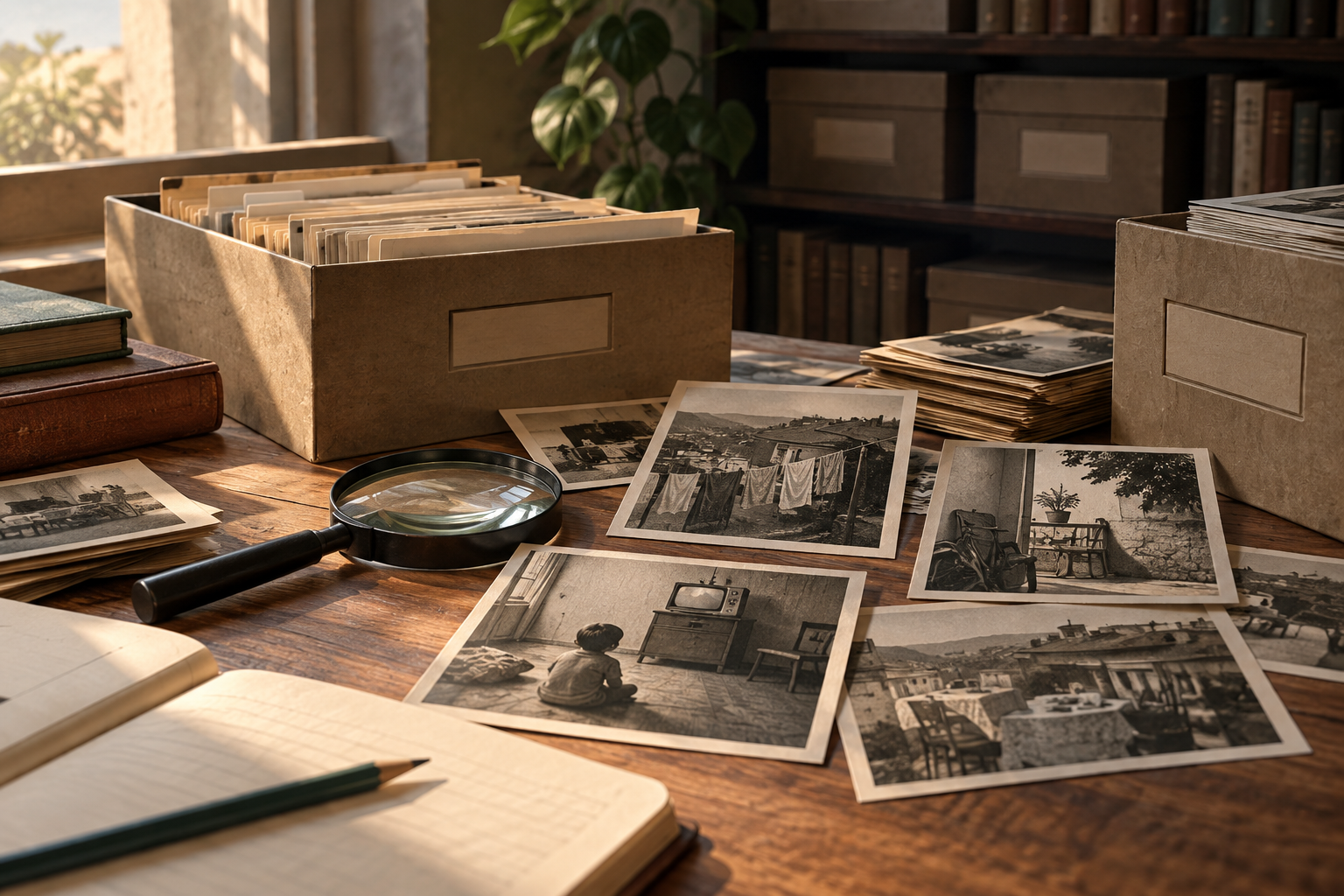
The Historical Archive of the Puerto Cristal Museum in Chile holds records from the 1960s to the 1990s concerning a mining camp and the lives of its residents. It offers a way to explain why an archive is not a collection of isolated memories: it preserves provenance, activities, and links among the school, radio, port warehouses, laboratory, and mine, although the available evidence does not describe every record or its physical condition.

Open story
collecting · contemporary

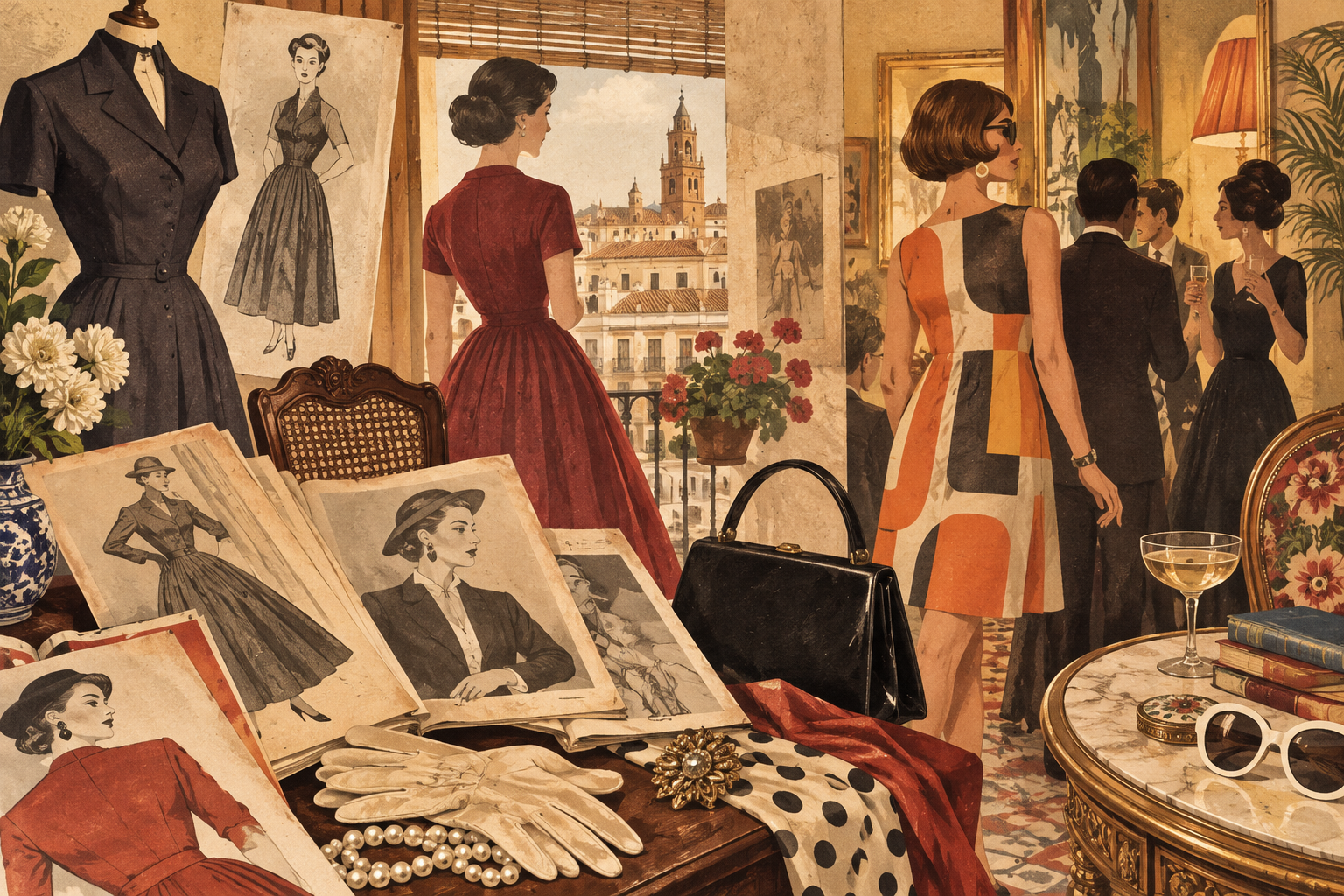
Household Recipe Books: When a Recipe Is Also an Archive

The Museo da Conserva’s #ComidaViejuna campaign invites us to read household recipe books as objects that preserve recipes, visual habits and cultural memory. Drawing on that initiative and sources on food heritage, this piece examines what can—and cannot—be documented when collecting, describing and interpreting everyday papers.

Open story
analysis · 1990

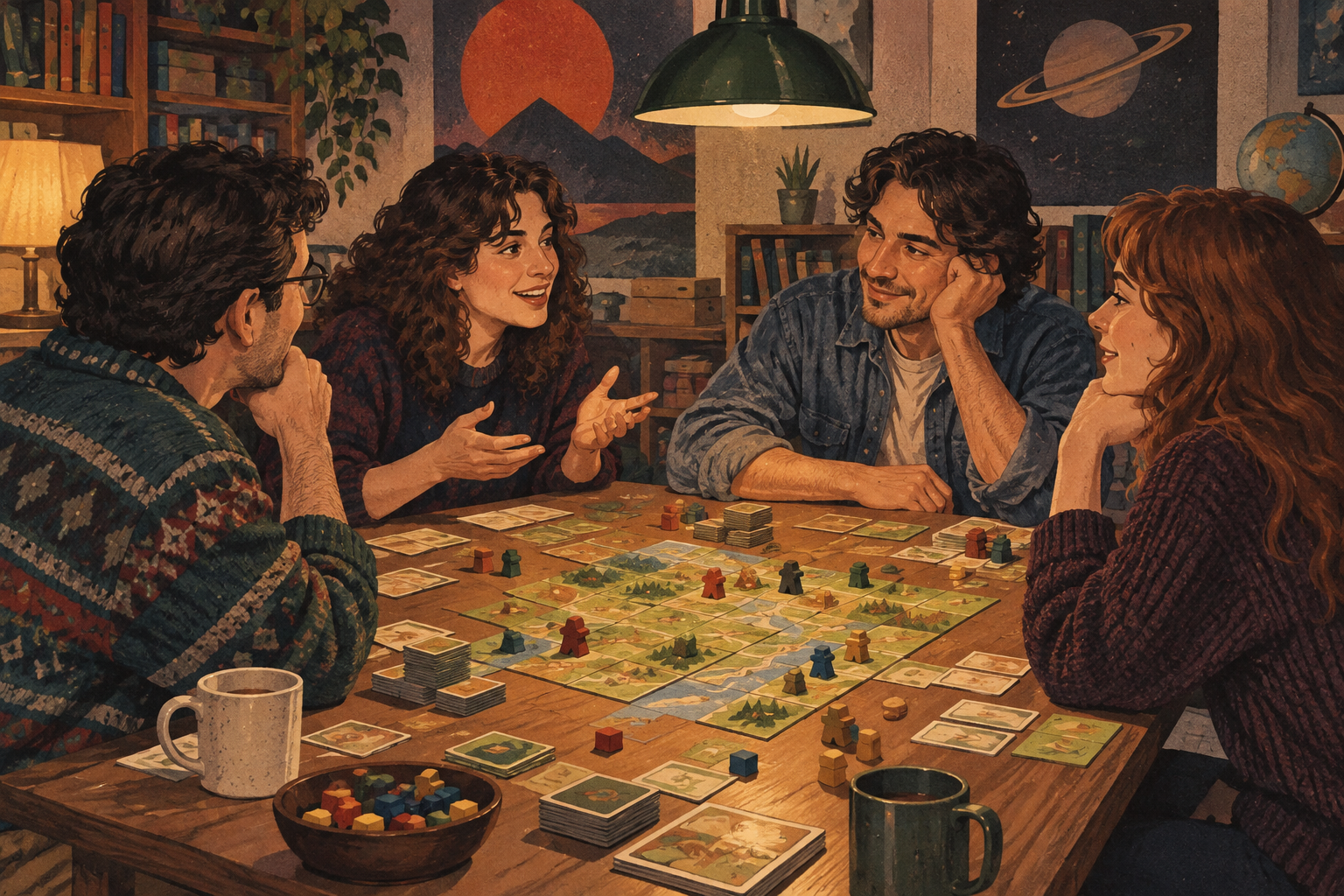
The 1990s and the New Conversation About Board Games

The 1990s are often identified as a turning point for the board-game industry and its study. Rather than offering a closed history of successes and labels, this article examines what the available evidence supports: a broader supply, the popularisation of Eurogames, new meeting spaces, and historical research that remains fragmented.

Open story