Analysis · NOW
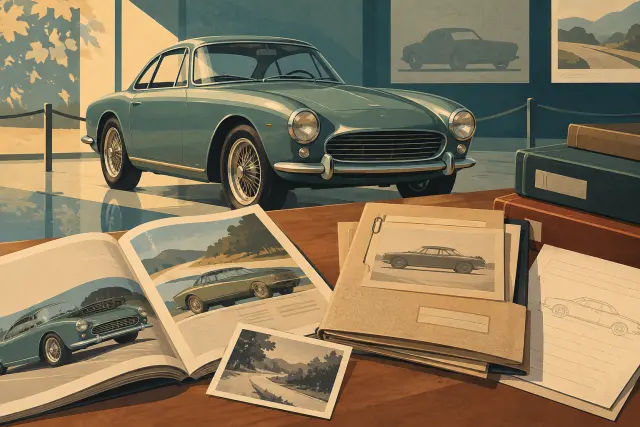
An exhibited car needs its documents too
Museum archives and documentation centres help put vehicles in context. What the available sources establish—and which questions remain open.
Open storyArchive of technology, entertainment and everyday life
Museum archives and documentation centres help put vehicles in context. What the available sources establish—and which questions remain open.
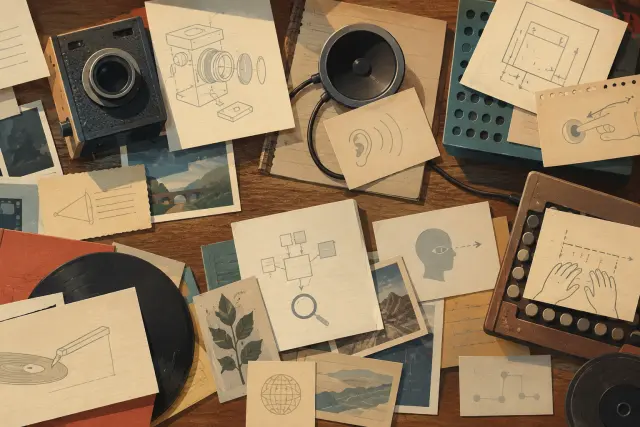
Open storyDevices tell a story of design, but understanding how they were used requires relating them to documents, archives and context. The available sources offer a way to investigate without confusing promises with documented experience.
Open storyMagazines, fanzines, mini-comics, albums and graphic novels are distinct publishing forms, not interchangeable containers. The evidence supports examining how publication and circulation frame reading, but cannot reconstruct every reader’s experience or establish a uniform history for all formats.
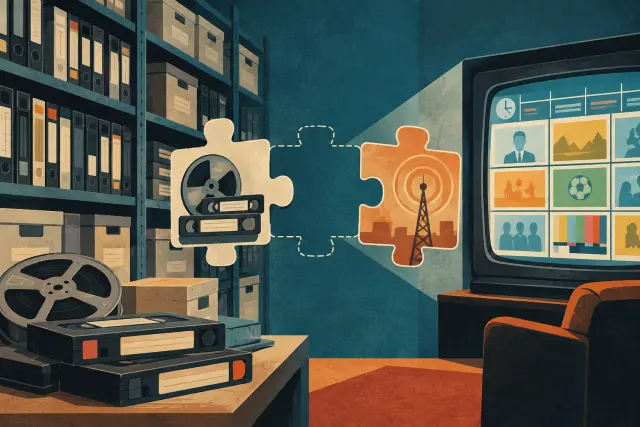
Open storyAvailable studies and resources on Spain’s audiovisual heritage show the value of television archives, as well as the limits of what they can establish about schedules, reception and recording habits.
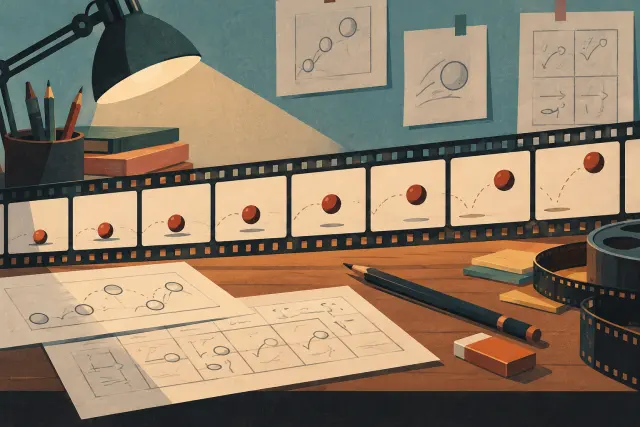
Open storyA cautious reading of the available stop-motion literature raises questions about what texts document concerning technique, pre-production and legacy—and what cannot be inferred without consulting the complete works and production materials.
Open storyA cautious reading of everyday-life history distinguishes documented practices from scenes that the sources cannot reconstruct. The available bibliography places the question in work on early modern Spain and nineteenth-century Madrid, but it does not support generalizing experiences or transferring them to other homes and periods.
Open storyA look at advertising graphic design through its communication choices: how text, images and composition organize a message, and where the verifiable historical record ends.
Open storyPhotographic archives make it possible to study images alongside their collections, descriptions and documentary uses. But an image alone does not necessarily reveal its support, process or production context.
Open storyCatalog records, production documents and archives can show how cinema is recorded, but they neither replace a film nor prove how audiences received it. A critical guide to distinguishing a work from the traces it leaves.
Open storyA comic’s editorial format and the places through which it circulates are part of the reading experience. The available evidence supports that connection, but not a reconstruction of specific issue-by-issue changes.
Open storyRecipes, packaging and archival documents offer different kinds of evidence about food. Separating them helps distinguish commercial promotion from everyday practice without asking any one source to prove more than it can.
Open storyPreserved technological objects do not explain their uses by themselves. Archives, documents and digital records can add context, while the available sources also set clear limits on what can be claimed.
Open story