Analysis · 1950
The Silence of the Image in Night and Fog
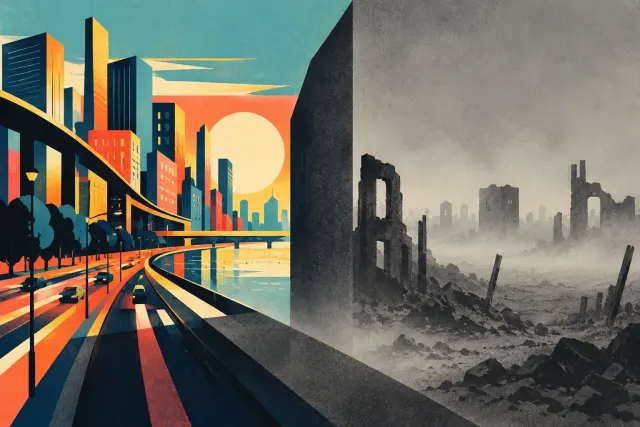
An analysis of how visual stillness and Jean Cayrol's poetic text redefined Holocaust memory in 1955 documentary cinema.
Open storyArchive of technology, entertainment and everyday life
An analysis of how visual stillness and Jean Cayrol's poetic text redefined Holocaust memory in 1955 documentary cinema.
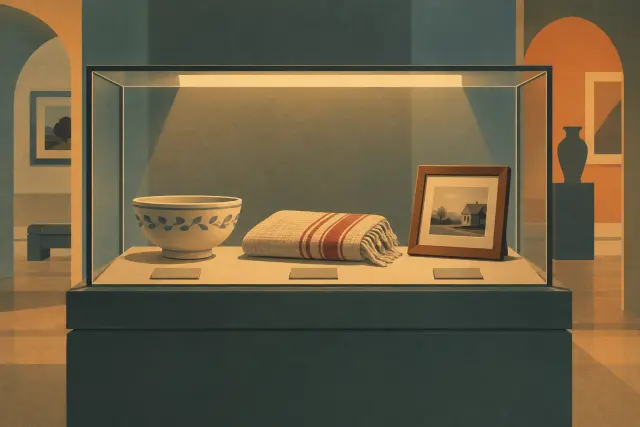
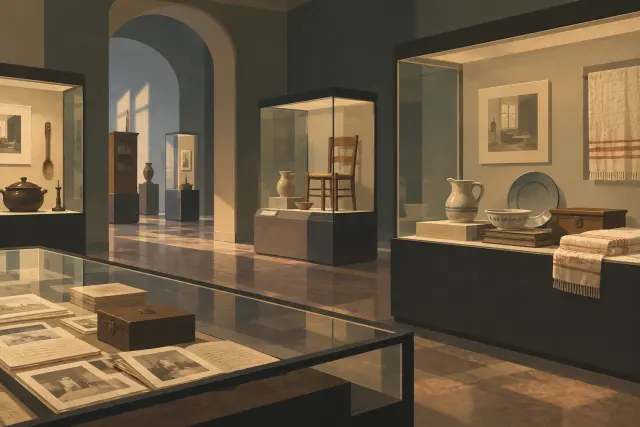
Open storyExplores how museum institutions are redefining heritage by incorporating everyday objects and testimonies, shifting the focus from major milestones to the lived experience of communities.
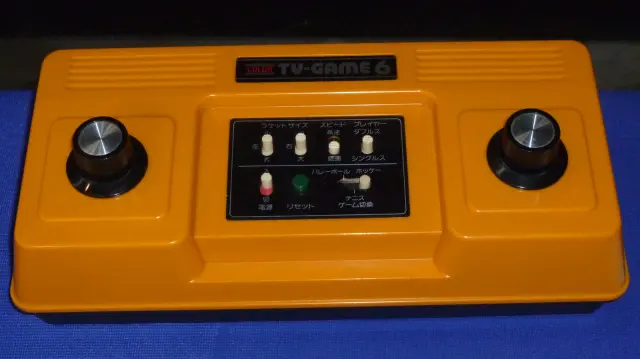
Open storyBeyond the myth of a single first console, analysis of the Color TV-Game line reveals a dual 1977 strategy that defined the Japanese market before global expansion.
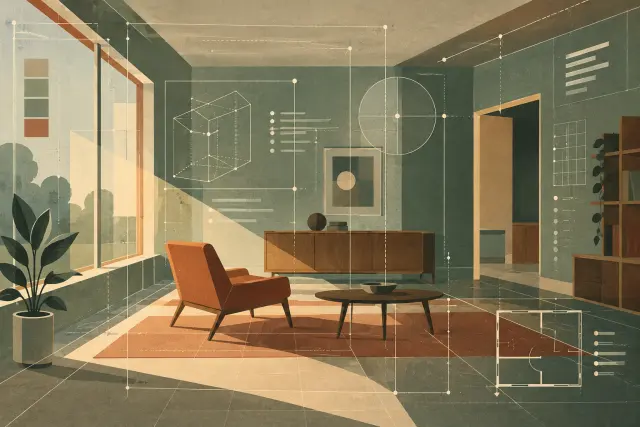
Open storyBeyond aesthetics, conservation plans and standardized records allow reconstructing the social function of domestic spaces through risk analysis and cultural context.
Open storyDigital preservation goes beyond copying executable files. It requires documenting the technical and cultural context that defined usability, preventing old code from becoming an inert artifact without historical meaning.
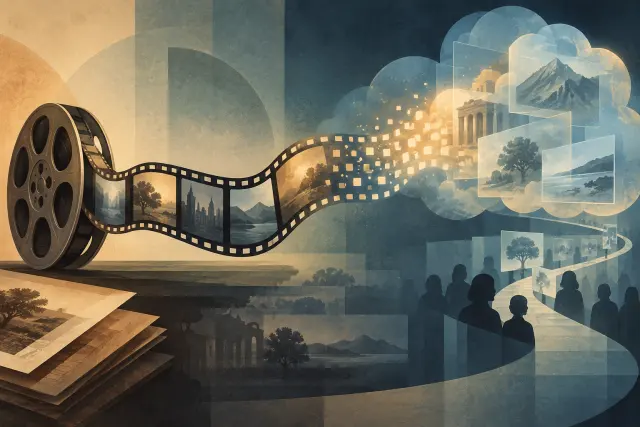
Open storyFilm preservation brings together two distinct tasks: conserving the materials and keeping films accessible within their social context. Digitization can widen access, but it does not replace physical conservation or, by itself, solve questions of continuity and cultural meaning.
Open storyBeyond hit lists, the materiality of the vinyl record and radio defined a listening structure that conditioned musical production and cultural identity of the decade.
Open storyThe development of Microsoft Word 1.0 in 1983 relied on the Xerox experience of Charles Simonyi and Richard Brodie, establishing a WYSIWYG standard for the IBM PC.
Open storyDigitization offers access but does not replace physical experience. We analyze the limitations of 3D models in conserving cultural objects and the ethical dilemma of prioritizing the copy over the original.
Open storyBetween academic simulations and arcade machines, the 1970s defined the transition of video games into a mass cultural phenomenon.
Open storyExplores how record standardization and risk analysis transform everyday objects into historical documents, allowing museums to interpret domestic life beyond mere physical preservation.
Open storyAnalyzes how fashion archives transform clothing into material culture, questioning the narratives that determine which garments are preserved and how they are displayed.
Open story