The Decade of Positioning: How the Image Redefined the Brand in the 70s
An analysis of the 1970s advertising transition, where visual creativity replaced technical description to occupy a specific mental space in the consumer.
Open storyArchive of technology, entertainment and everyday life
An analysis of the 1970s advertising transition, where visual creativity replaced technical description to occupy a specific mental space in the consumer.
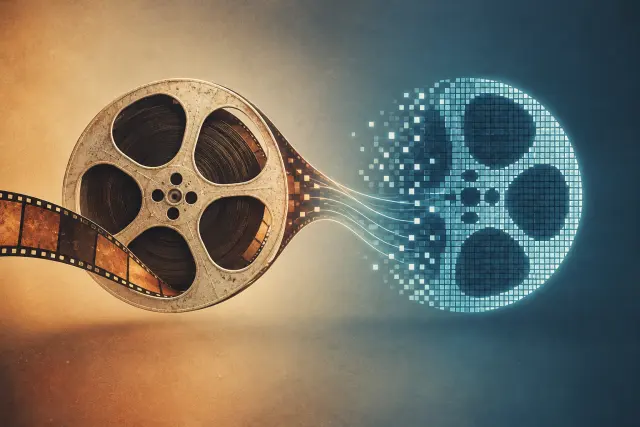
Open storyDigitalization has not buried physical film but created a productive tension between material preservation and mass access, redefining the role of film archives.
Open storyBeyond characters, comic history is understood through its supports. This analysis examines how magazines, fanzines, and albums reconfigured graphic narrative in the 20th century.
Open storyExamines how Requena's meat tradition moved from domestic slaughter to an institutionalized model with a regulatory council and annual fair.
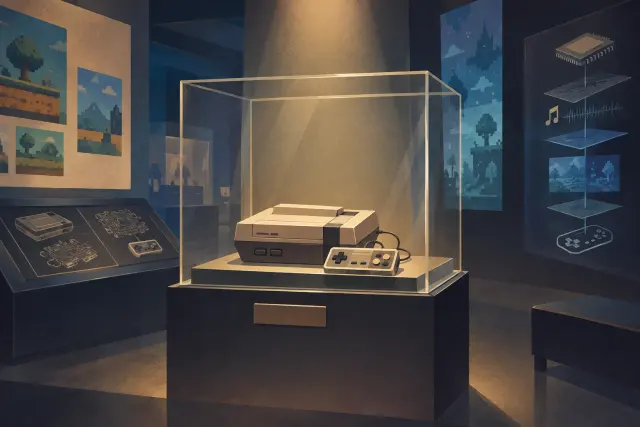
Open storyConsole preservation requires moving beyond physical custody to integrate software, peripherals, and social context, transforming the retro object into a cultural historical document.
Open storyBeyond mere physical preservation, digitalization and institutional archives are redefining how we understand and access the cultural context of retro objects, transforming the inventory into a space of active interpretation.
Open storyGraphic design is not just a visual piece, but a social document. We analyze how museums and archives manage the complexity of preserving its communicative function alongside its aesthetic value, using cases like the ventriloquism collection of Balder and Sanz.
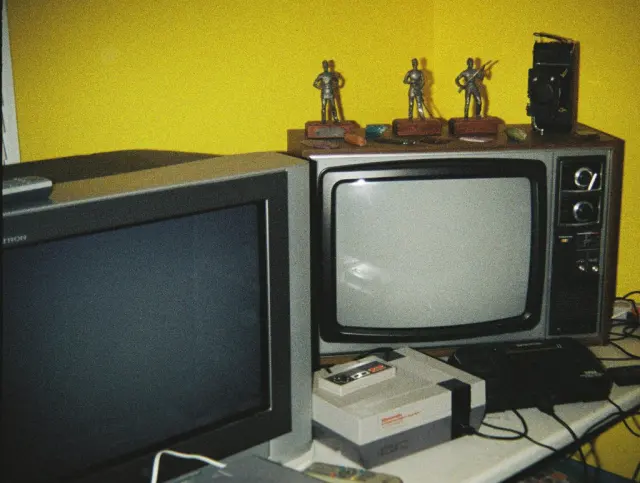
Open storyAn analysis of how the Nintendo Entertainment System transformed the perception of video games through industrial design decisions and a game library that defined its place in 1980s domestic culture.
Open storyHeritage documentation is not just an object record, but a tool to reconstruct the cultural and social context that gave them meaning, linking aesthetics with the history of use.
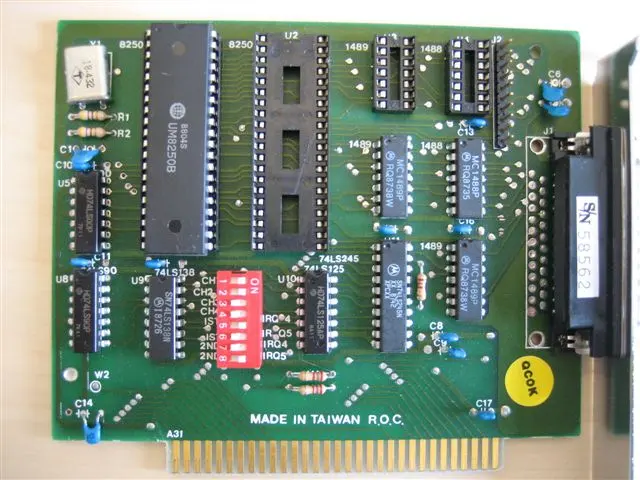
Open storyAnalysis of how IBM's decision not to exhaustively document the 5150 bus, but allowing its use, created the conditions for a peripheral and clone ecosystem that defined the personal computing era.
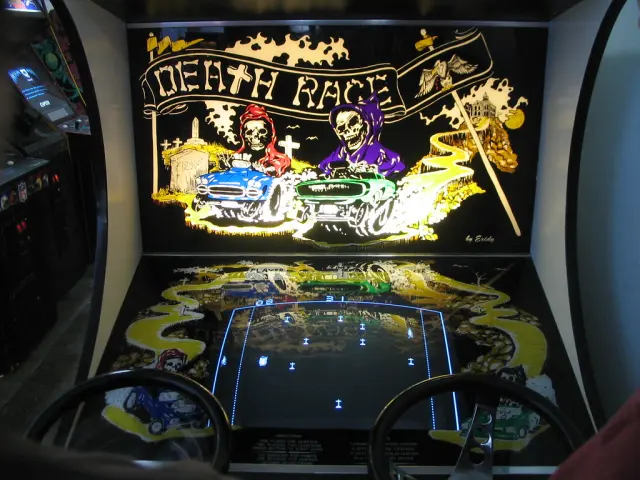
Open storyWe analyze the cultural impact of Death Race, the Exidy game that, by incorporating explicit destruction mechanics, sparked the first public protests over violence in video games.
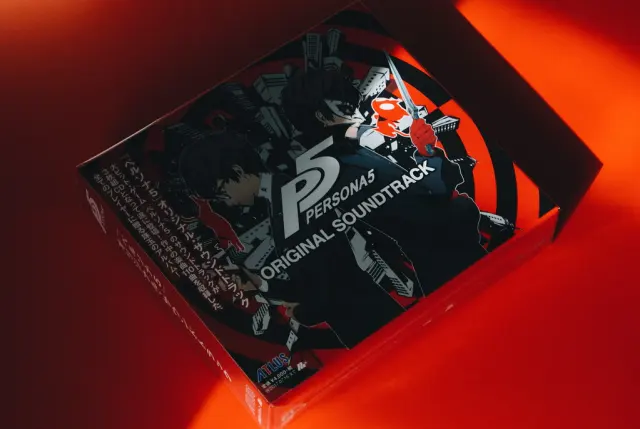
Open storyPersona 5’s graphic style is more than decoration: it accompanies a story about cognition, desire and transformation. The available evidence supports an examination of that coherence, but not a precise measure of its influence on other JRPGs.
Open story