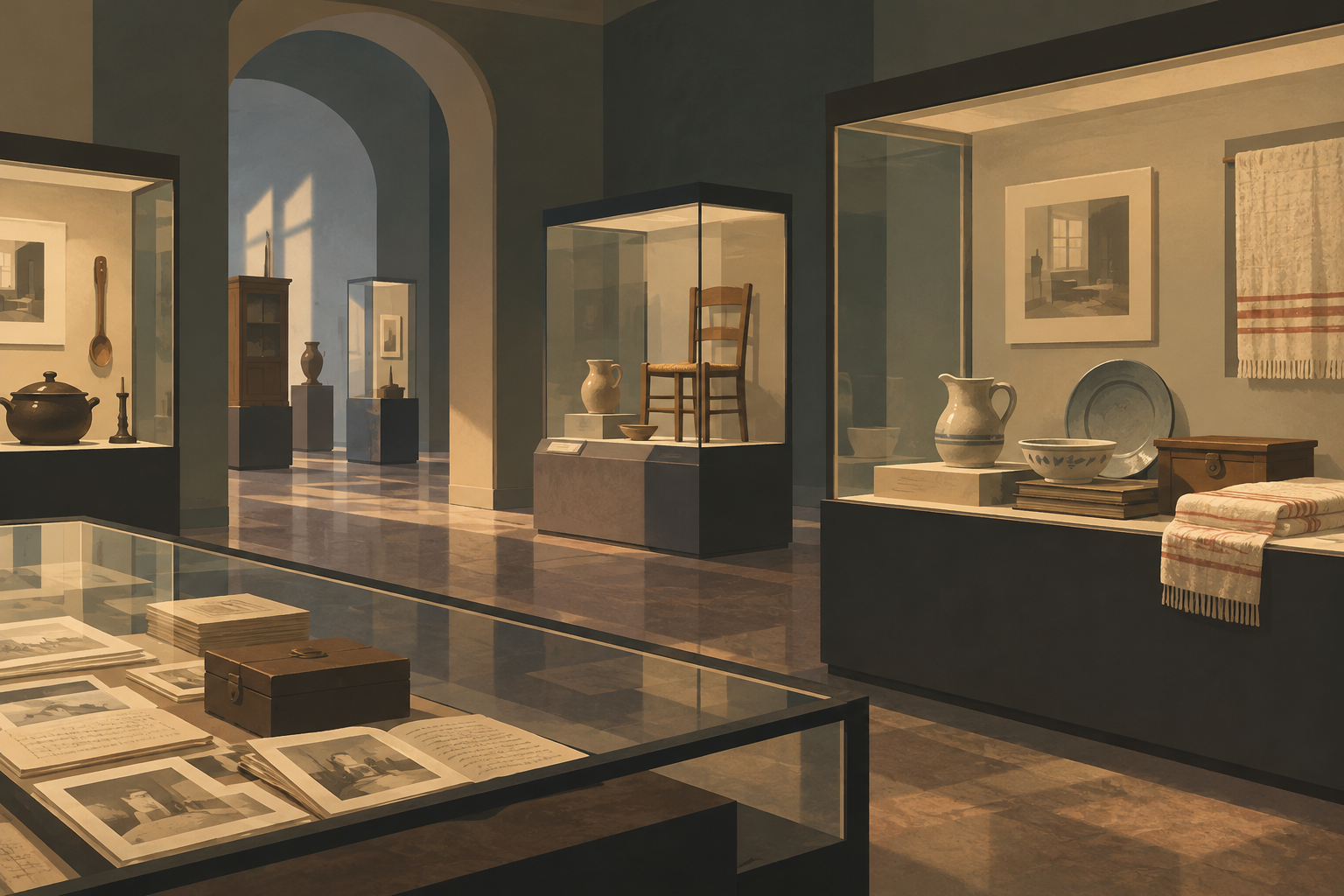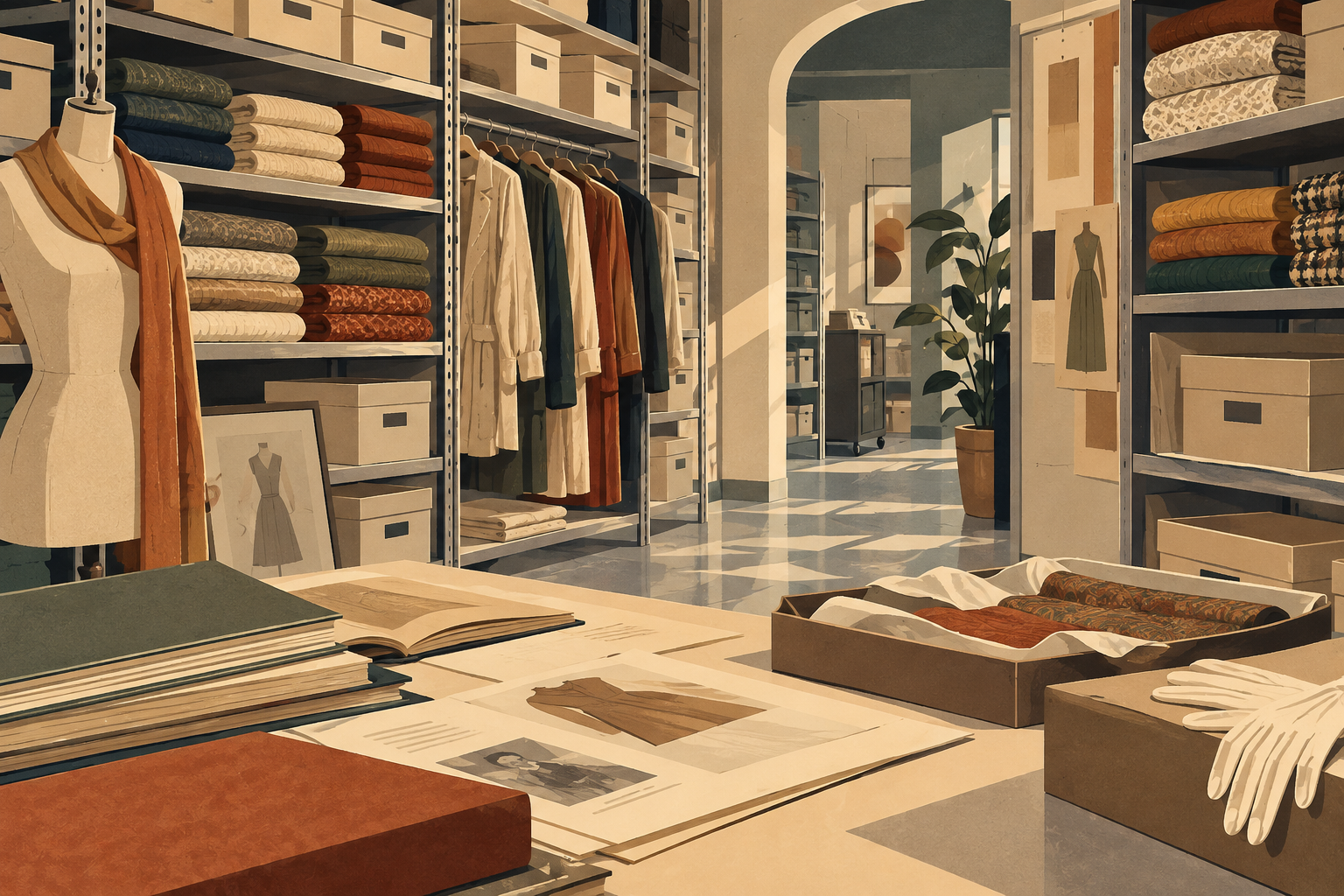
Fashion archives are not mere repositories of old clothes, but spaces where clothing is studied as material culture. Recent research indicates that these institutions organize their collections by era, designer, or cultural origin to facilitate research and education. The curatorial challenge lies in deciding which garments form part of the historical narrative, a decision mediated by specific stories. In museums in London and New York, fashion exhibitions have evolved to display not only aesthetics but also the social and technical context of each piece. Preserving these objects requires considering their fragility and symbolic value, distinguishing everyday use from public display. This approach allows us to understand fashion as a complex social practice, where design and function intertwine. Evidence suggests that preserving clothing is an act of cultural resistance, aiming to keep alive the memory of dressing practices from different eras.
Clothing as Archive: Beyond the Garment
Fashion archives are not mere repositories of old clothes, but spaces where clothing is studied as material culture. Recent research indicates that these institutions organize their collections by era, designer, or cultural origin to facilitate research and education. The curatorial challenge lies in deciding which garments form part of the historical narrative, a decision mediated by specific stories. In museums in London and New York, fashion exhibitions have evolved to display not only aesthetics but also the social and technical context of each piece. Preserving these objects requires considering their fragility and symbolic value, distinguishing everyday use from public display. This approach allows us to understand fashion as a complex social practice, where design and function intertwine. Evidence suggests that preserving clothing is an act of cultural resistance, aiming to keep alive the memory of dressing practices from different eras.
- Decade
- Contemporary
- Region
- Global
- Level
- Enthusiast
- Entities
- No linked entities
Sources and references
- Explorando el papel de los archivos de moda: Preservar y ...translate.google.com · 2026-10-19
- Los mejores —y más elegantes— museos de moda del mundo.es.qz.com · 2026-10-19
- El archivo y lo análogo como MEMORIA, haciendo resistencia ...valeriaakl.substack.com · 2026-10-19
- EXHIBICIONES DE INDUMENTARIA EN LOS MUSEOSrevistaconserva.cl · 2026-10-19
- La indumentaria como archivo: enfoques y problemáticasdialnet.unirioja.es · 2026-10-19
- La Conservación de material etnográficounesdoc.unesco.org · 2026-10-19