DATABASE / SEARCH

Explore

Archive of technology, entertainment and everyday life

Analysis · NOW

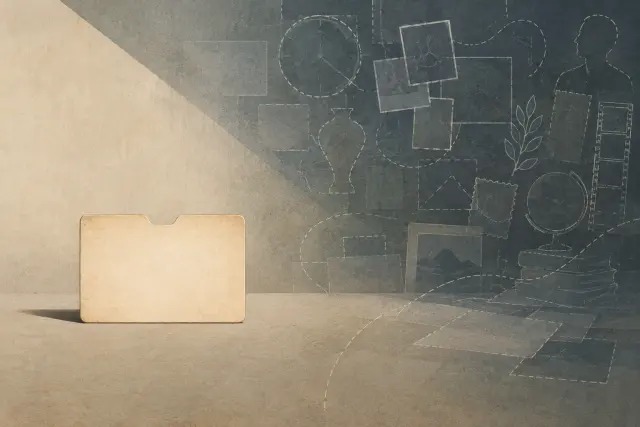
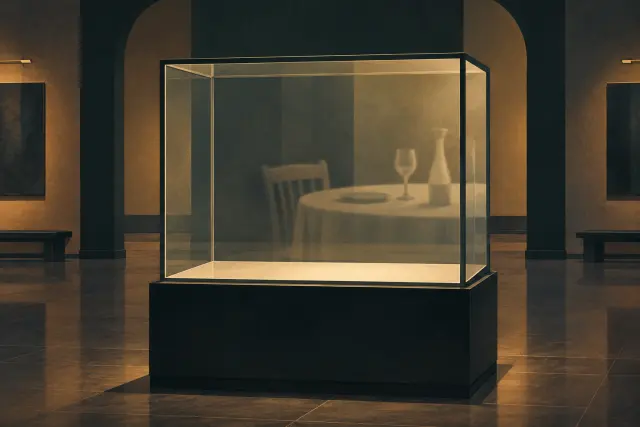
What a Museum Can Preserve About Food—and What It Cannot

Food brings together material, sensory, and social dimensions that cannot fit completely in a display case. Archives and museums document them through objects, images, texts, and context, without fully reconstructing an experience or proving habits for which evidence is lacking.

Open story
Analysis · NOW

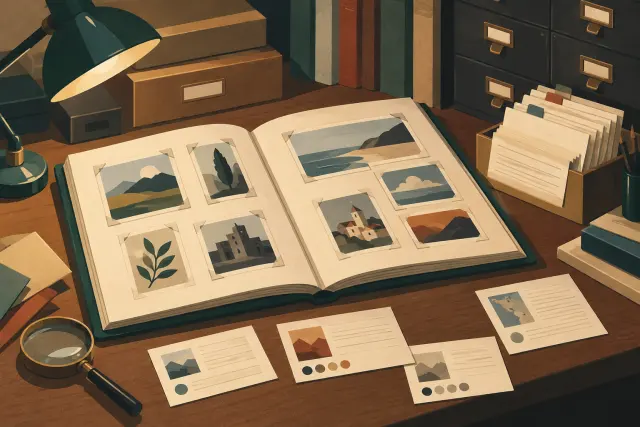
What a Catalogue Can Tell Us About an Album

CER.es lists a sticker album titled *Historia del Circo* and gives details that help identify it and place it institutionally. The record opens avenues for research, but does not by itself document the object’s history, variants or circulation.

Open story
Analysis · NOW

The album as object and archival clue

Catalogues can help identify objects and variants, but they cannot by themselves tell us how items were gathered, exchanged, or preserved. CER.es records and museum documentation help distinguish what is known—and what remains to be investigated—about sticker albums.

Open story
Analysis · NOW

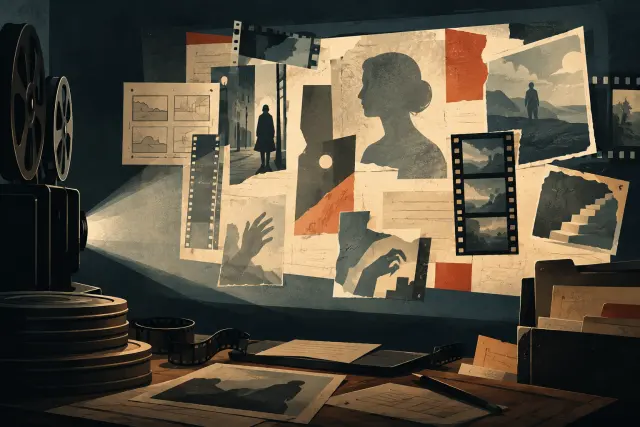
What remains of a film after the lights go out

Posters, programmes, photographs and production documents help us study how cinema was presented and preserved. They also reveal the limits of what can be said about reception, especially when trying to connect theatrical exhibition with home video.

Open story
Analysis · NOW

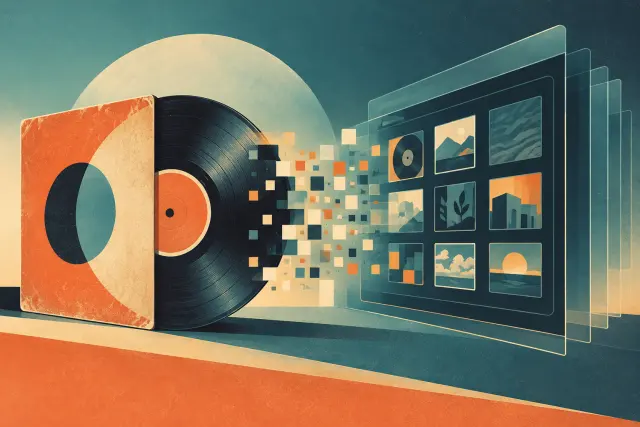
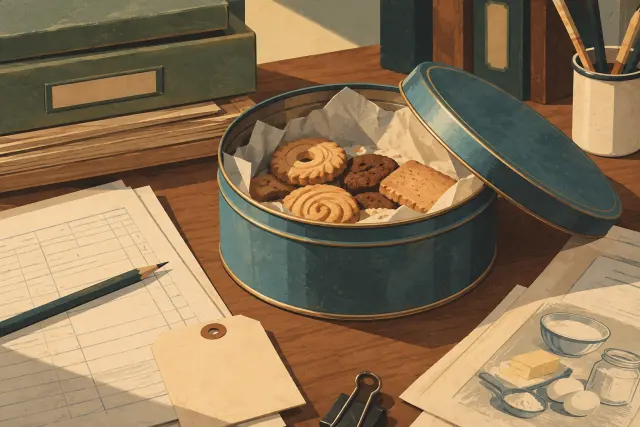
A biscuit tin cannot tell us who opened it

Preserved tins, food-related archives and projects on the history of eating document different aspects of the table. Reading them together helps separate commercial imagery from what we can actually establish about domestic habits.

Open story