DATABASE / SEARCH

Explore

Archive of technology, entertainment and everyday life

Analysis · NOW

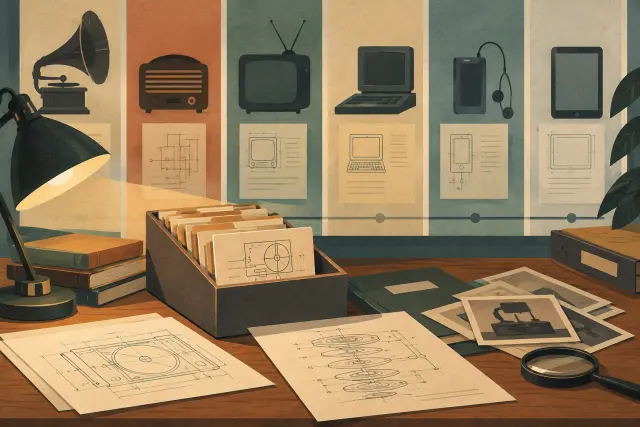
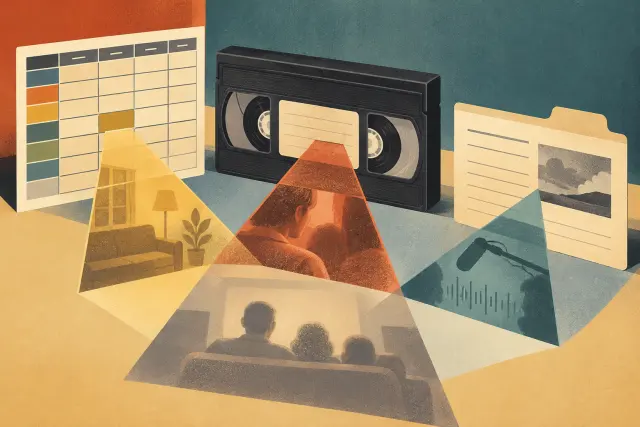
Reconstructing television takes more than preserving images

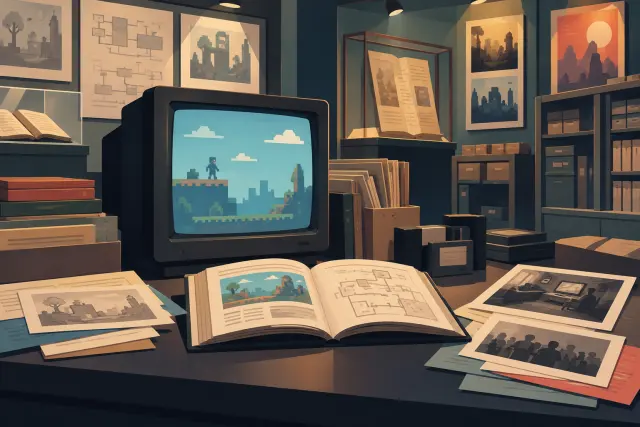
The available materials point to the importance of preserving television’s audiovisual heritage, while also showing the limits of what can be reconstructed from it. Archives, research and broadcast records should be read as partial evidence, not as a complete memory of television experience.

Open story
Analysis · NOW

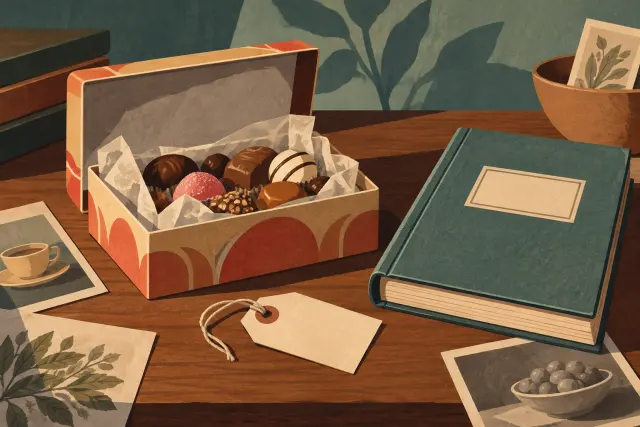
What a Sweets Tin Can Tell Us—and What It Cannot

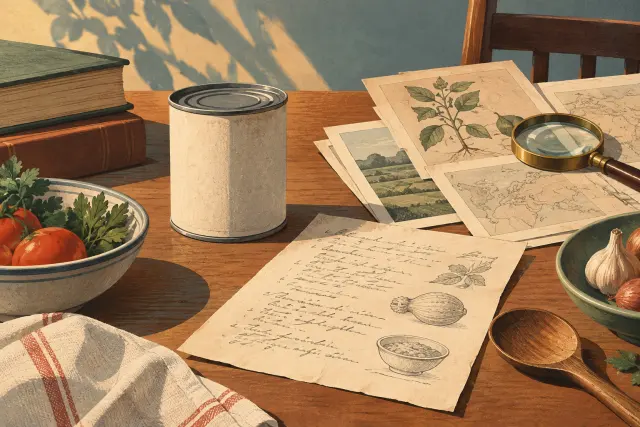
Tins, labels, cookbooks and archival documents are different kinds of evidence for studying food. Reading them together helps distinguish commercial presentation from domestic practice without asking any one object to prove more than it can.

Open story
Analysis · NOW

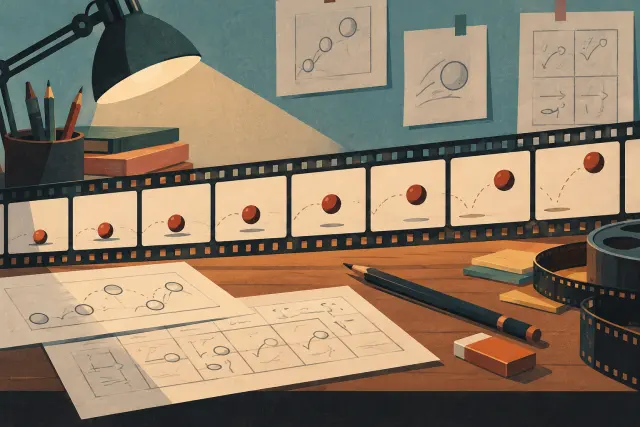
Movement can also be studied between frames

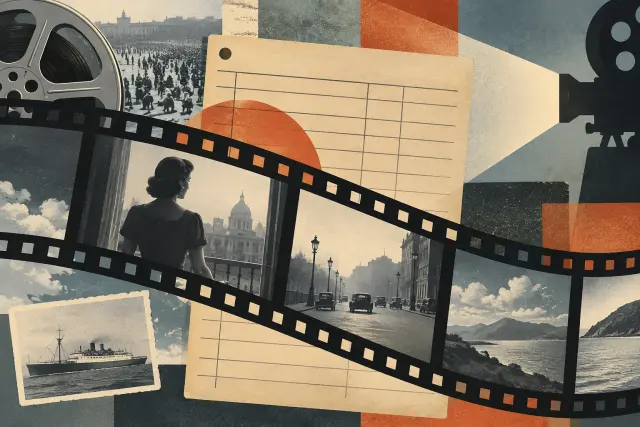
A cautious reading of the available stop-motion literature raises questions about what texts document concerning technique, pre-production and legacy—and what cannot be inferred without consulting the complete works and production materials.

Open story
Analysis · NOW

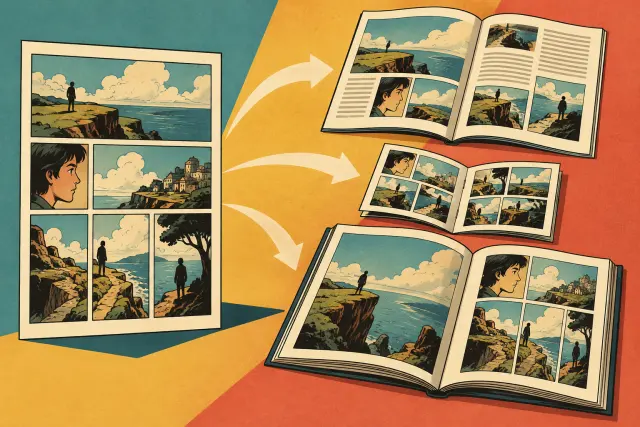
Comics read differently when the format changes

Magazines, fanzines, mini-comics, albums and graphic novels are not merely containers: Rubén Varillas’s study frames format as a question for comics. The available evidence also lets us consider how seriality, numbering and distribution shape reading, while not documenting every effect in detail.

Open story