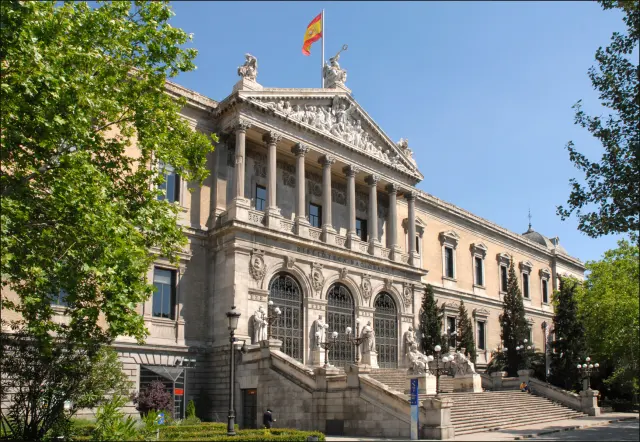
A collection of websites gathered to preserve Spain’s documentary heritage on the internet.
Selected excerpts from our archive offer more context on this subject. Each reading links to the original article and its sources.
What a web archive can reconstruct—and what stays out of frame
An archived page can look like a window onto the past: text, images, links, and a capture date. Yet that window has a technical and material frame. The National Library of Spain’s Archivo de la Web Española describes a collection of websites gathered to preserve Spain’s documentary heritage on the Internet. That mission makes a capture a valuable historical source, not a complete recording of connected life.
The Archivo de la Web Española’s institutional description offers a concrete starting point: which sites are collected, and for what purpose? It says the collection is formed to preserve documentary heritage on the Internet. This frames the archive as an act of selection and preservation, not a neutral mirror that records everything.
A preserved interface is not, on its own, a record of use. It cannot tell us how many people reached it, what they wanted, or whether they completed a task. Such questions require complementary sources, such as contemporary documentation, institutional records, or attributable testimony. The evidence supplied here identifies only the Archivo de la Web Española’s general preservation purpose; it does not provide those specific materials.
KEY FACTS
- Type
- Service
- Country or region
- Spain