The Automobile as Archive: What Motor Museums Preserve
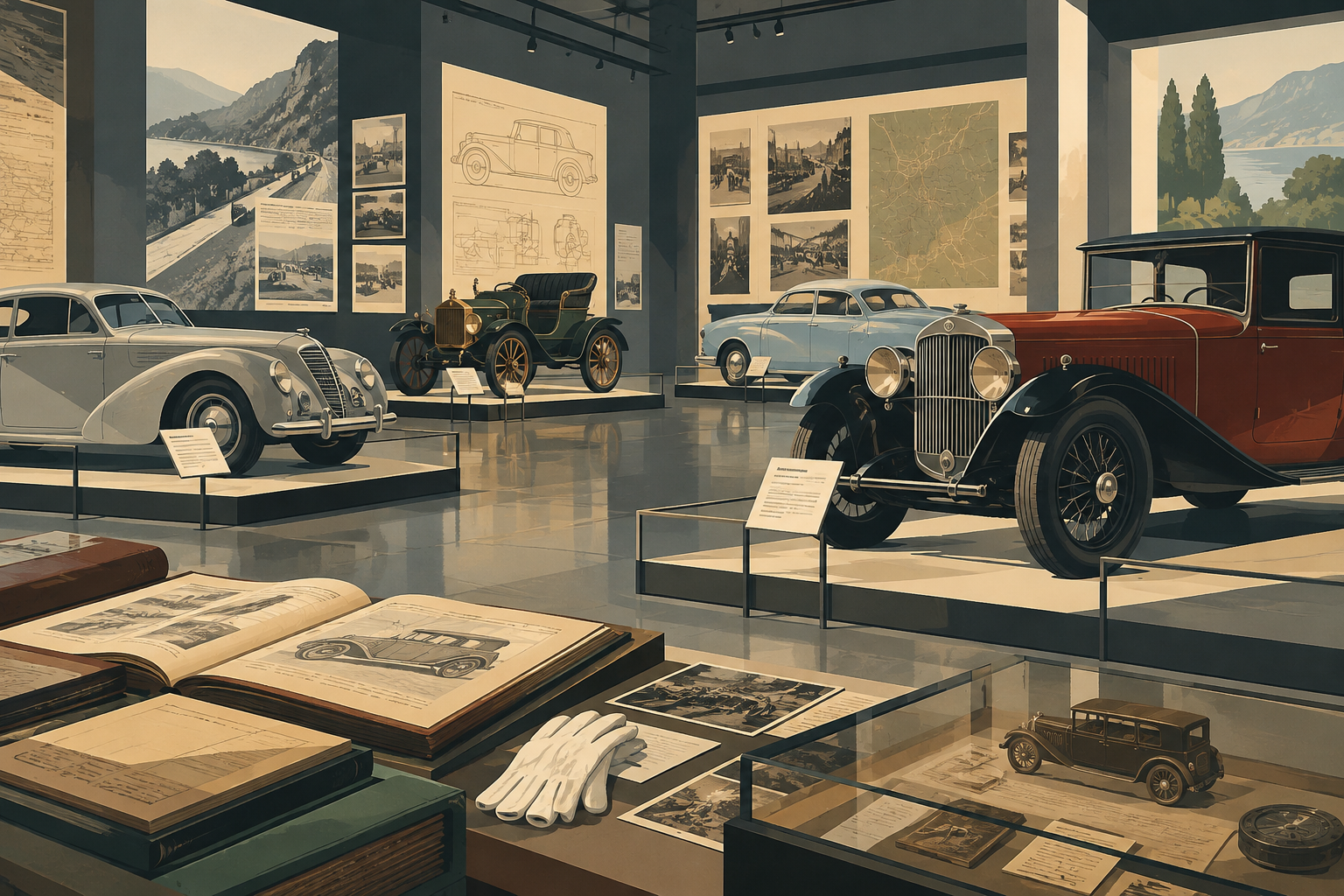
A reading of automotive preservation as a cultural practice: vehicles, engines, chassis and manuals, together with their social contexts, explain far more than technical evolution.
Open storyArchive of technology, entertainment and everyday life
A reading of automotive preservation as a cultural practice: vehicles, engines, chassis and manuals, together with their social contexts, explain far more than technical evolution.
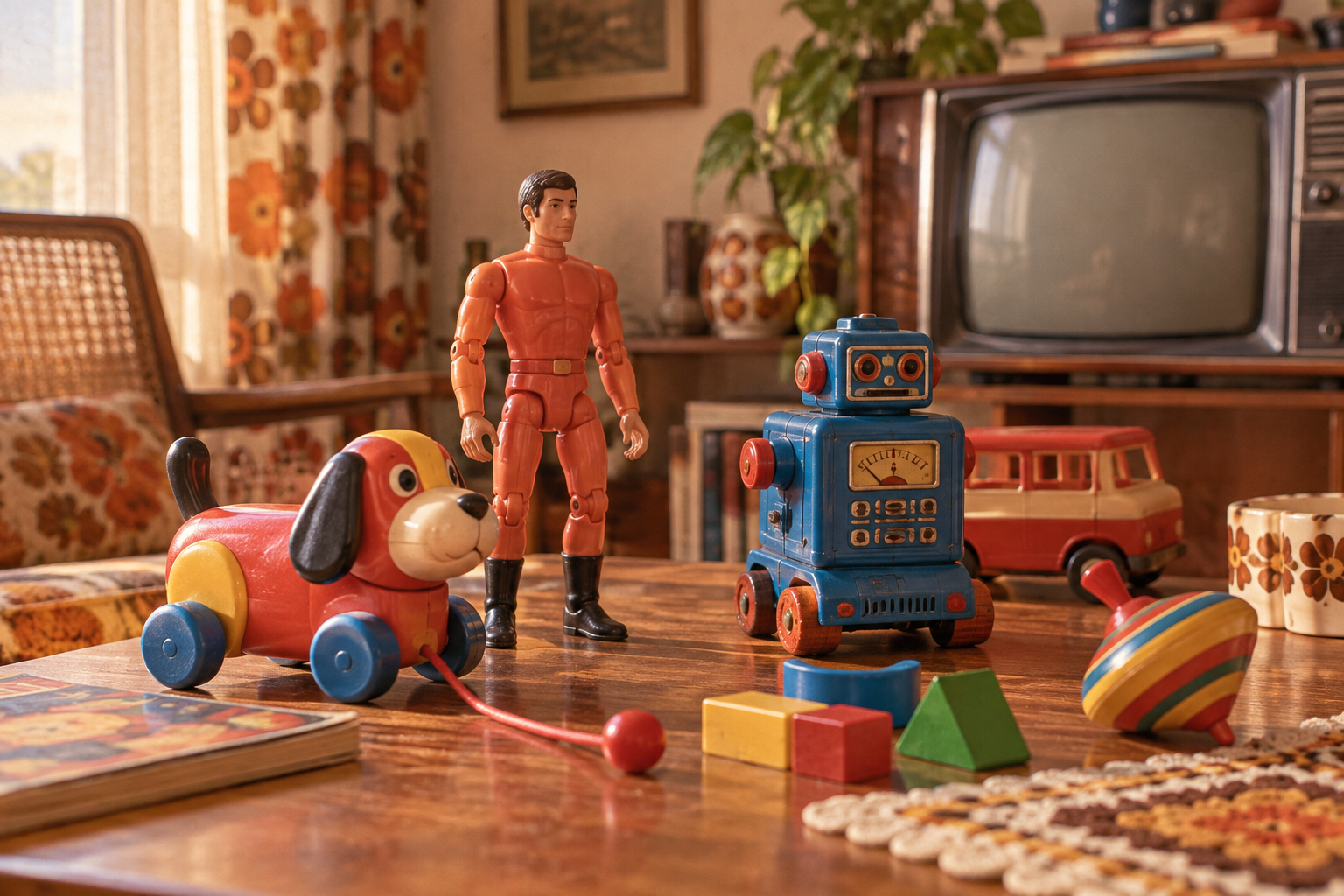
Open storyA cautious reading of the changes that several museum and popular-history sources associate with Spanish toys in the 1970s: the expansion of plastic, battery- and wind-up mechanisms, broader consumption, and the continuity of figures and construction toys.
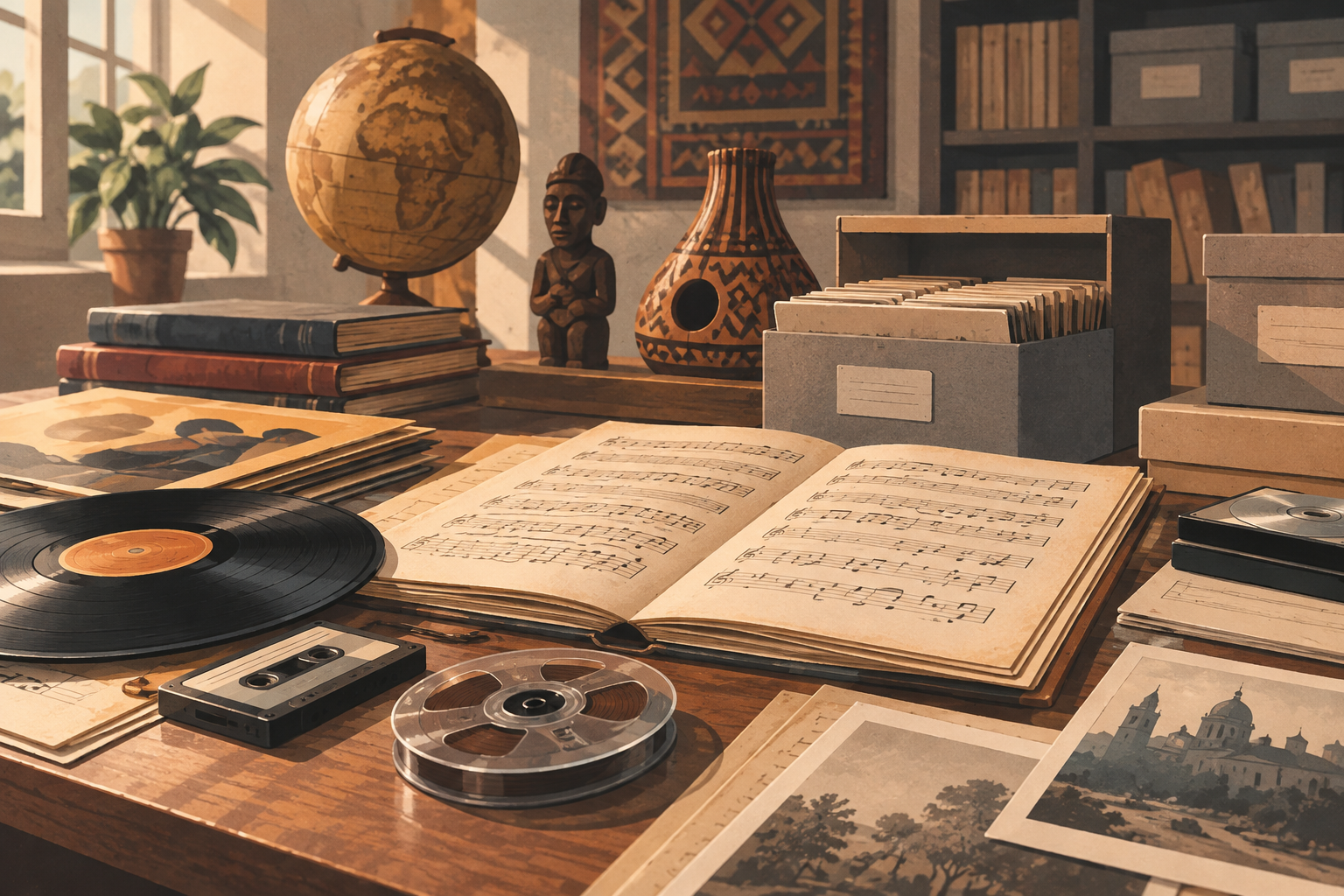
Open storyArchives, scores, recorded media and documentation of musical activity form a heritage that requires context, cataloguing and routes of access. Drawing on institutional and academic sources, this analysis explains why preserving music is not simply a matter of digitisation.
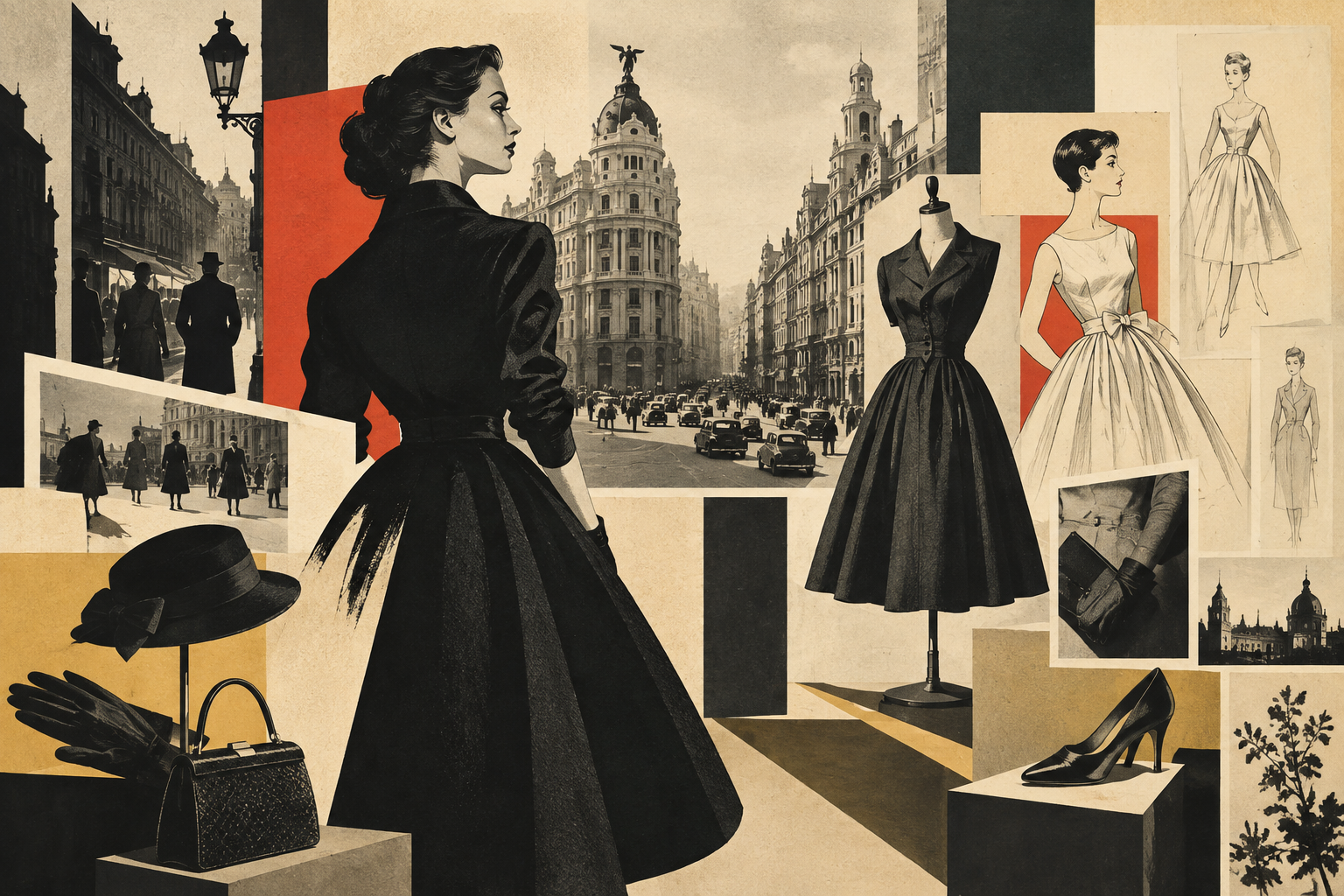
Open storyDrawing on documented Spanish exhibitions and collections, this analysis examines Madrid fashion from the post-war period to the 1970s as a material and visual source. Garments, photographs, fashion drawings, magazines and accessories can reveal changing customs, without mistaking a museum exhibition for a complete portrait of an era.
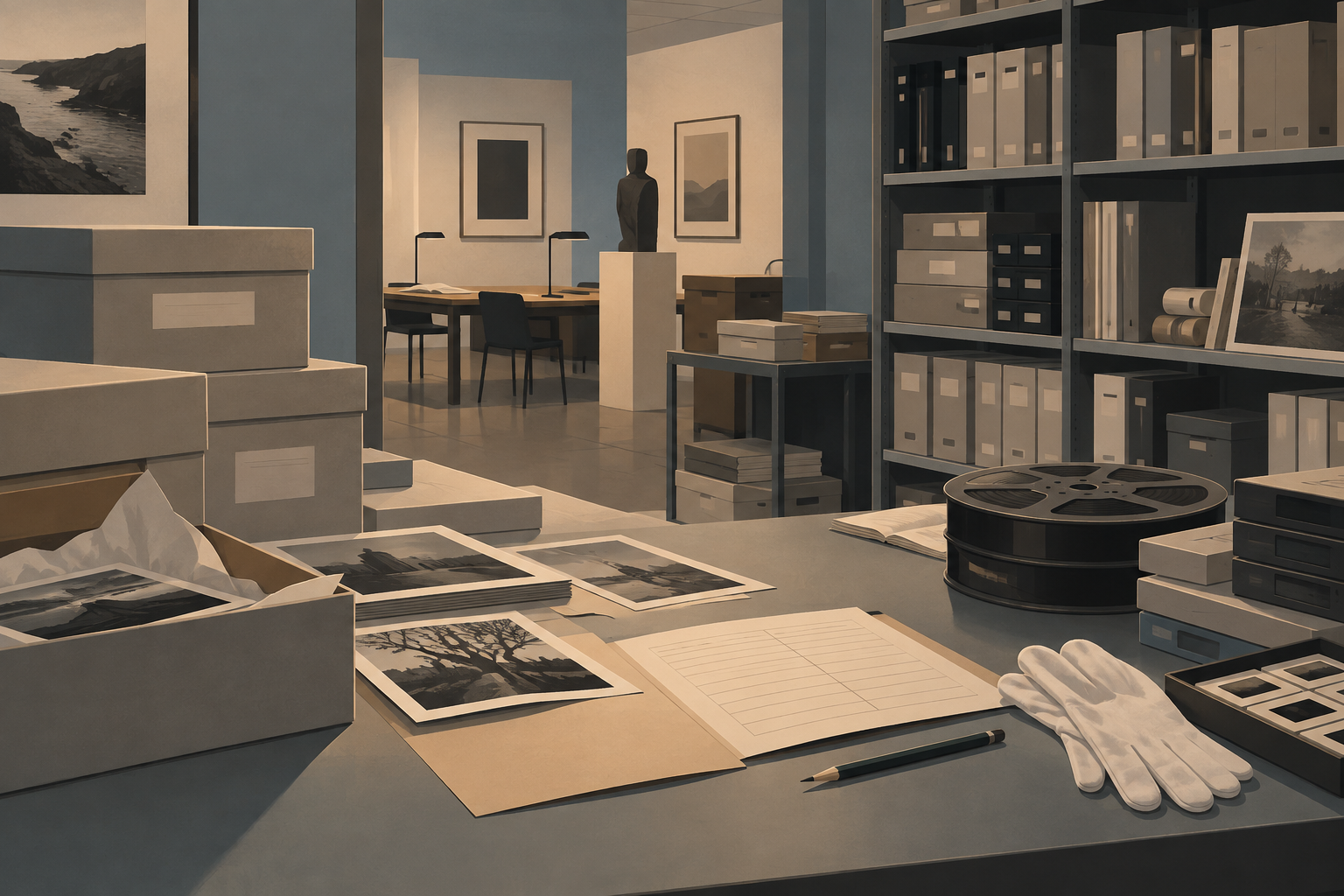
Open storyMuseum archives show that conservation is not simply about storing objects. Drawing on institutional cases and resources from Spain and Latin America, this article examines how documents, photographs, moving images and electronic technologies support research, access and cultural memory.
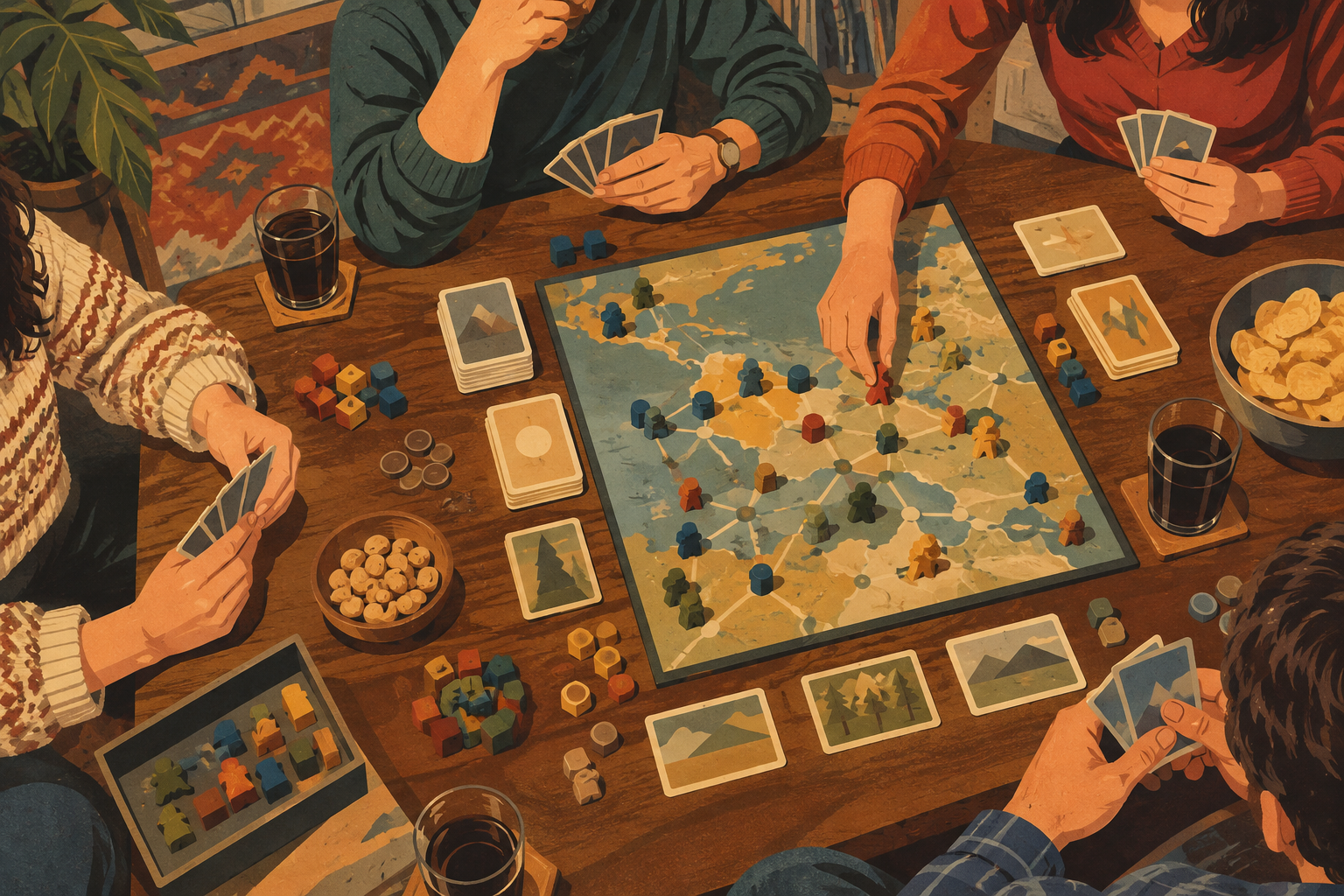
Open storyA documented tour of several decisive changes in board games from 1970 to 2009: Spanish editions of historical games, the so-called European school, the expansion of the 1990s, and a selection of titles whose chronology appears in the available sources.
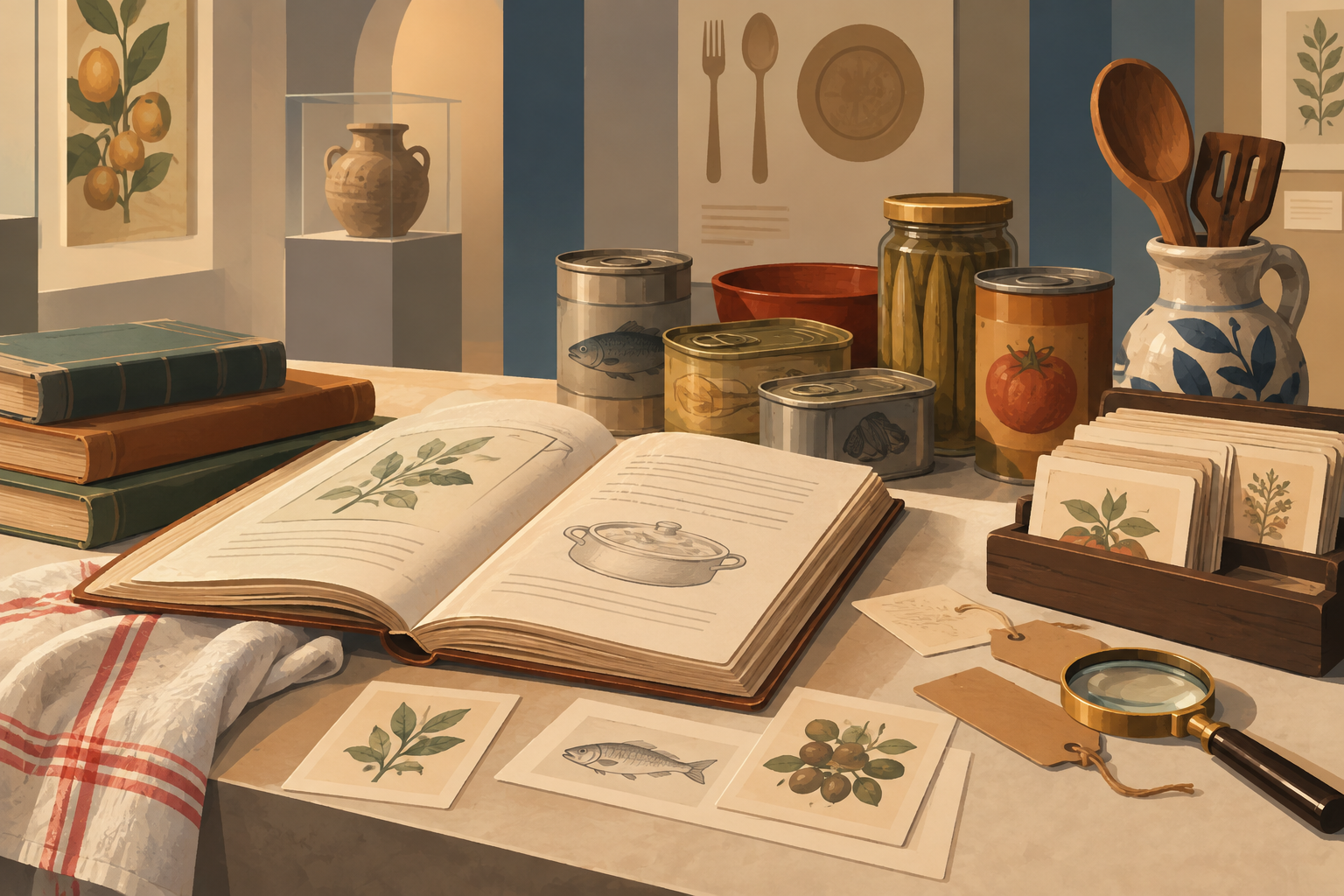
Open storyRecipe books, tins, labels and archival documents make it possible to approach food as both tangible and intangible heritage. Drawing on documented Spanish cases and approaches, this analysis considers how to read such objects without mistaking nostalgia for historical proof.
Open storyThe collective catalogue of Spain’s State Archives preserves a long sequence of Historia y Vida issues from 1970 to 2009. This piece offers a cautious reading of that continuity: not as automatic proof of what the magazine published, but as an entry point for researching how everyday life is documented.
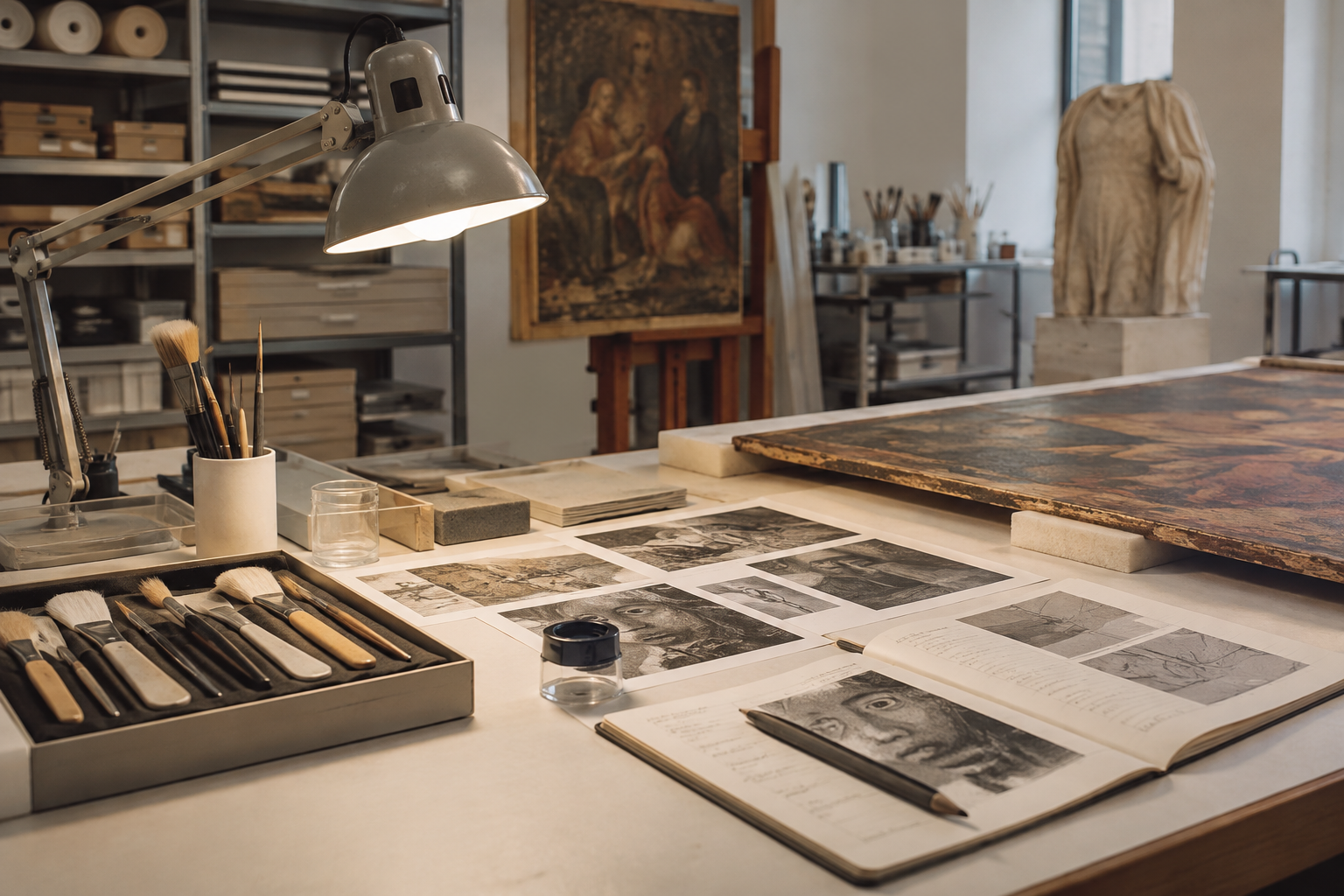
Open storyBetween 1970 and 2009, restoration in Spanish museums can be read as a shift from poorly documented interventions towards coordinated projects combining historical research, conservation, the recovery of interiors and renewed museum displays. The Prado, Museo Cerralbo, MAN and National Library make it possible to trace that change without reducing it to a merely technical timeline.
Open storyIntroduced by IBM on 12 August 1981, the 5150 did not inaugurate the personal computer, but it helped establish a path of expansion based on an architecture other manufacturers could adopt. This analysis separates documented facts from interpretations of its influence.
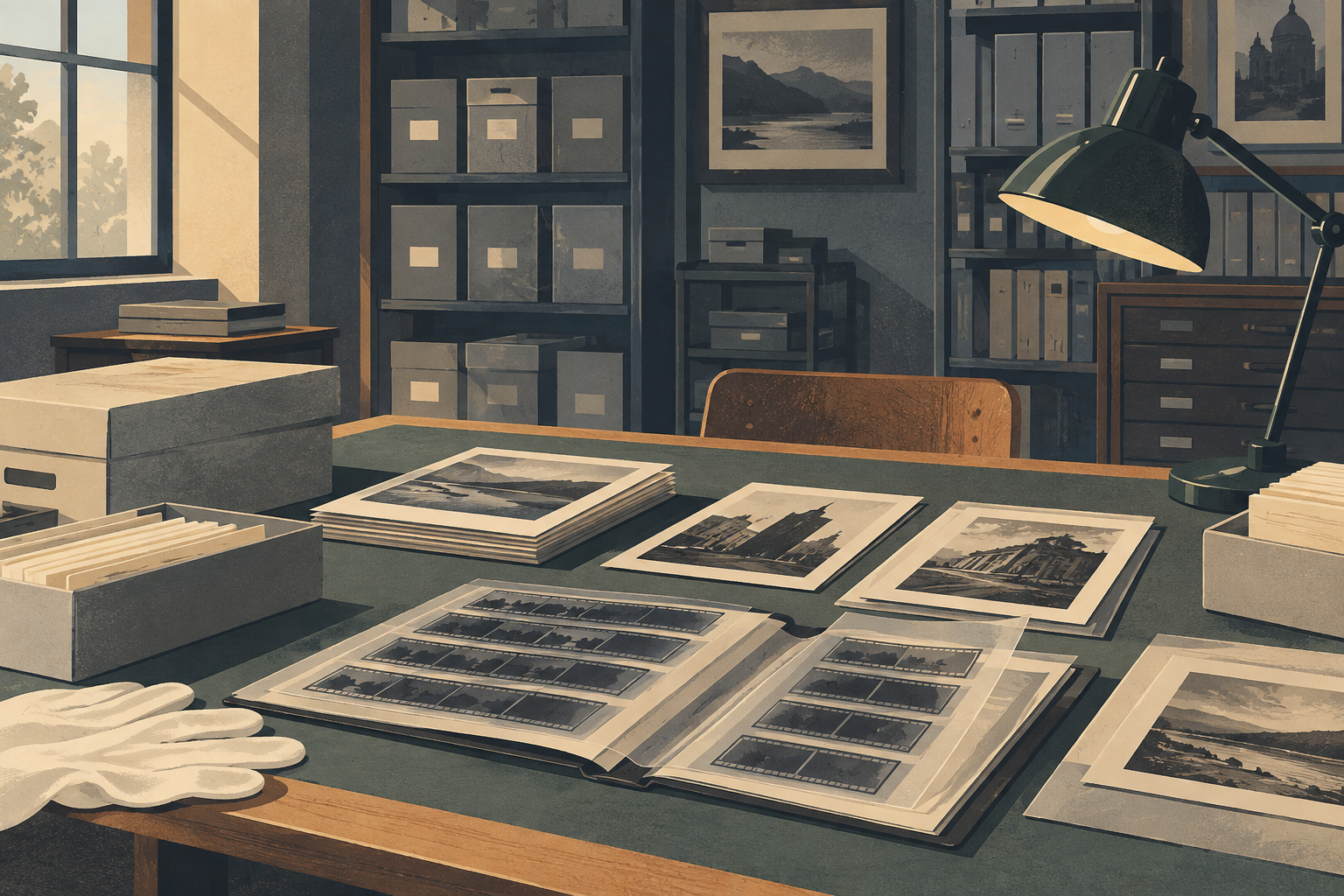
Open storySpanish public collections show that the history of photography does not depend solely on cameras or authors: it is also sustained by negatives, slides, albums, postcards, catalogues and descriptive systems. This survey compares five institutions and their documented holdings.
Open storyMuseum presence on the Internet did not begin as an immersive experience. Starting with documented cases at the Library of Congress in 1992 and the Berkeley Art Museum and Pacific Film Archive in 1994, this article examines what changed when collections and documentation moved online—and why accessibility cannot replace context.
Open story