History · 2000
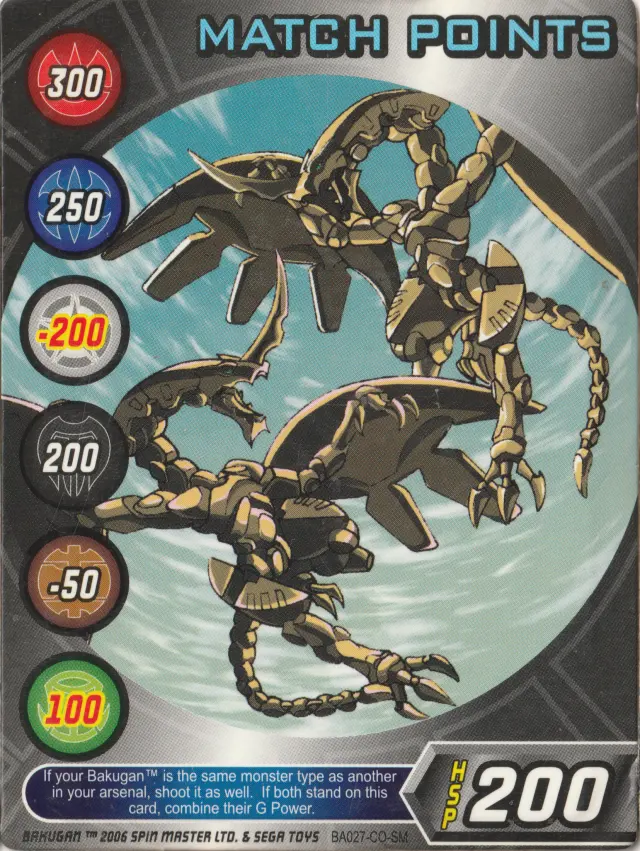
The transformation mechanic that defined Bakugan
We analyze how the fusion of physical figures and game cards created a unique collecting ecosystem, from its 2007 launch to its legacy in the secondary market.
Open storyArchive of technology, entertainment and everyday life
We analyze how the fusion of physical figures and game cards created a unique collecting ecosystem, from its 2007 launch to its legacy in the secondary market.
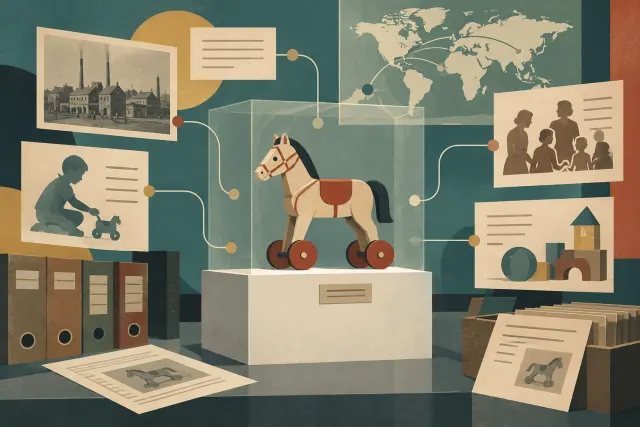
Open storyBeyond physical integrity, museums record the use and context of toys to transform them into living cultural documents, distinguishing facts from curatorial interpretations.
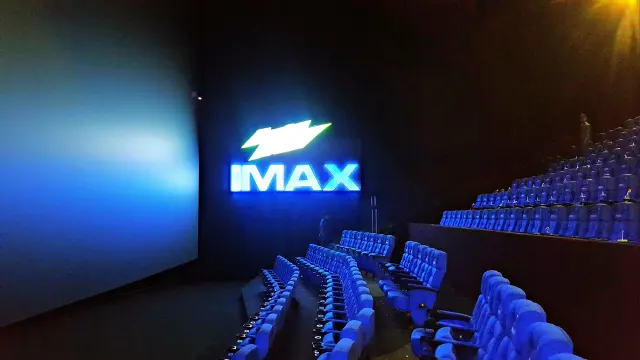
Open storyBetween 1970 and 2009, horror cinema shifted from a collective experience in large-format theaters to domestic digital consumption. This analysis examines how technology and international festivals redefined the distribution and reception of the genre.
Open storyAn analysis of how technical constraints and otaku culture defined the animation industry between 1970 and 2009, beyond simple digital shifts.
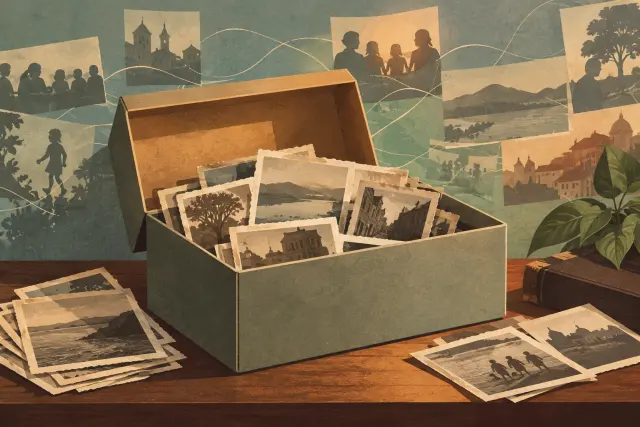
Open storyThe paradigm shift in Latin American archives positions the image not as a fragile object, but as a node of collective memory. We analyze how digitization and contextual documentation transform photographic custody.
Open storyBeyond the brand, the LEGO System is an architecture of compatibility. This article analyzes the transition from Billund carpentry to the 1958 patent, exploring how inner-tube engineering turned a toy into a persistent play ecosystem.
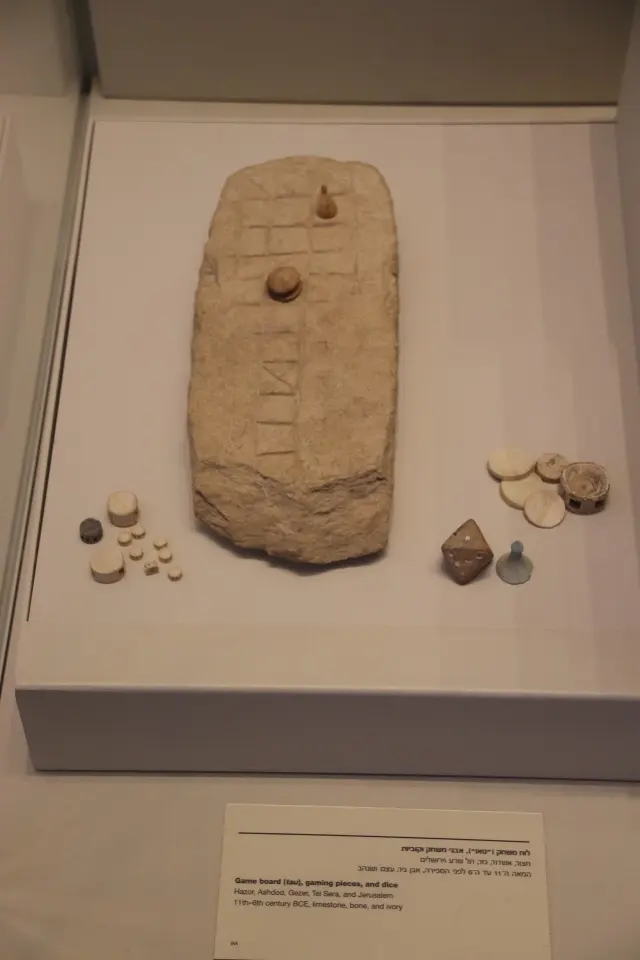
Open storyBeyond the Royal Game of Ur, there is a network of 20-square boards connecting ancient and modern traditions. This analysis examines documentary evidence about this ludic family and its persistence in Western culture.
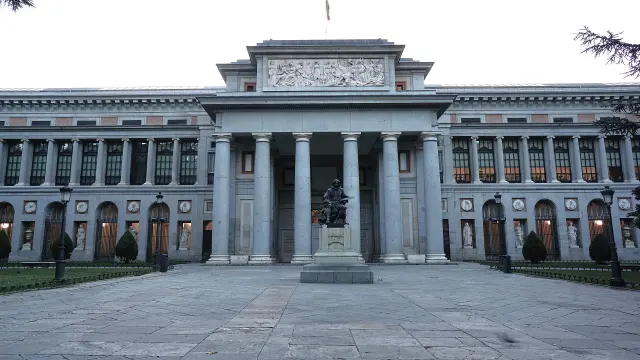
Open storyIn 2019, the Prado Museum published 'Historietas del Museo del Prado' by Sento, a 97-page work adapting historical anecdotes to graphic language. This analysis examines how the institution used comics to reinterpret its collection during its 200th anniversary, setting a precedent in Spanish museum outreach.
Open storyAnalyzes how institutions manage the duality between physical preservation and contextual documentation of contemporary works that reinterpret the past.
Open storyAnime heritage resides not only in digital archives but in a physical network of cels and backgrounds that challenges traditional museum conventions. This analysis explores how institutions and academic communities are redefining the documentation of this cultural medium.
Open storyAnalyzes how ergonomics, lighting, and low-impact materials are integrated into museography to balance the physical protection of objects with their interpretive accessibility.
Open storyThe collective financing model, attributed to Osamu Tezuka, enables the viability of high-risk projects but generates chronic instability in Japanese animation studios.
Open story