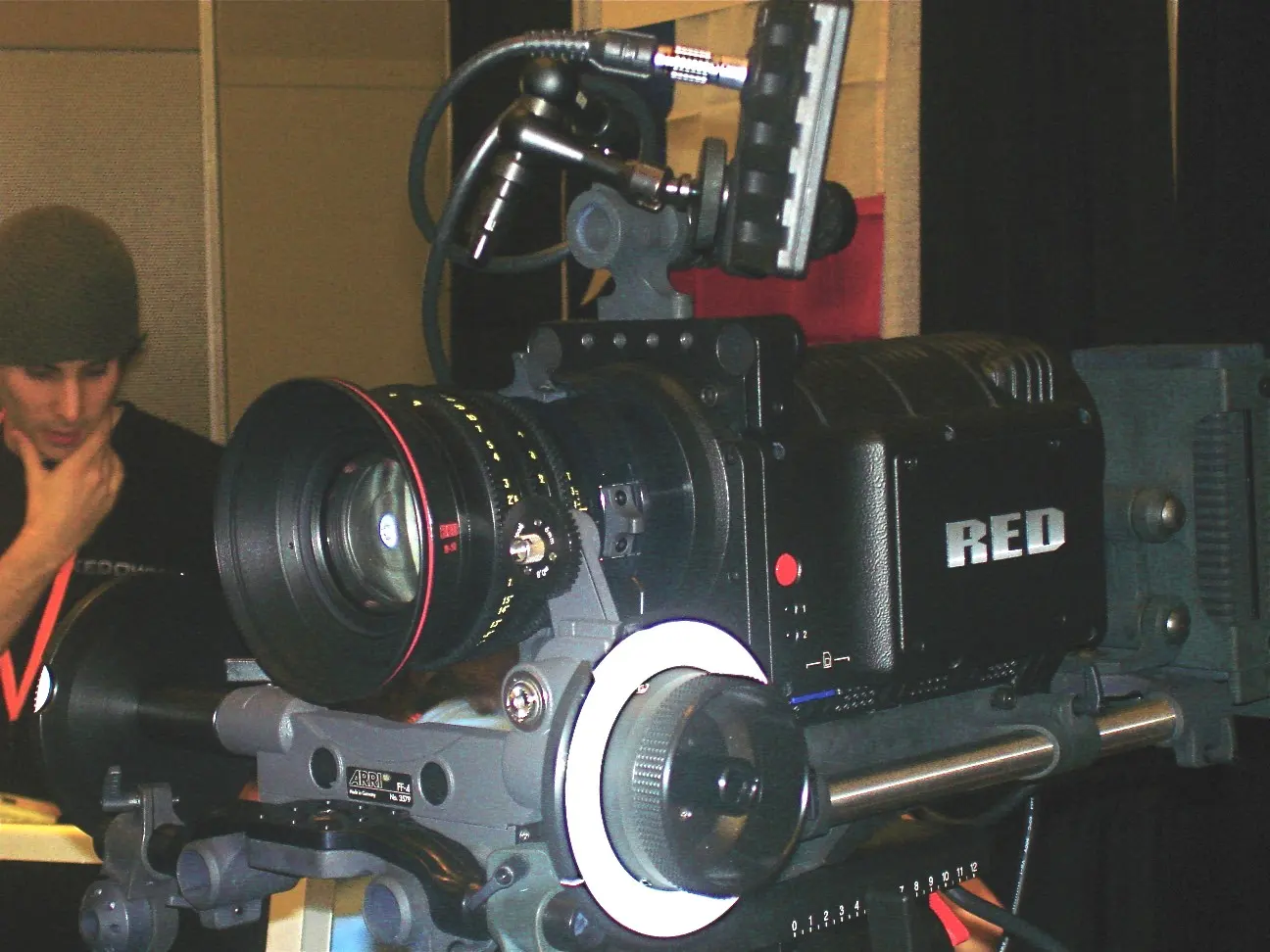
The transition from film to digital was not an instantaneous event, but a gradual process that accelerated significantly in the 2000s. For years, high-quality video production was dominated by film cameras, whose high cost and technical complexity limited their use to major studios and productions with substantial budgets. This barrier to entry created a clear industrial hierarchy, where image quality was intrinsically linked to the financial capacity of the production company. However, the emergence of digital devices capable of competing with the optical quality of film began to erode this model. This article analyzes how the introduction of the Red One in 2009 acted as a catalyst in this change, not only due to its technical specifications but also due to its impact on the economic and creative structure of the audiovisual industry.
The context of film dominance
Until the early 2000s, film remained the gold standard for high-end cinematography. Texture, depth of field, and the ability to handle high lights and shadows were attributes that digital technology still could not replicate with the same fidelity. Film cameras, although expensive, offered an aesthetic that directors and cinematographers considered irreplaceable. The complexity of their handling, which required specialized teams for loading, developing, and scanning, reinforced the exclusivity of the medium. This situation limited experimentation to a small circle of professionals and studios, keeping technical innovation within the margins of the traditional industry.
The emergence of the Red One in 2009
In 2009, the introduction of the Red One marked an inflection point. According to available evidence, this model offered image quality similar to a $30,000 camera, but at a fraction of the cost. This statement, attributed to industry sources in historical documents on photography milestones, suggests that the device did not only compete on price but also matched the perceived quality of much more expensive equipment. The ability to capture high-definition images with resolution and color fidelity that rivaled film made the Red One a viable option for productions that previously could not afford high-end equipment. This technical change was crucial in destabilizing the monopoly of film in the production of professional-quality film and video.
Democratization of access to high definition
The most immediate impact of the Red One was the democratization of access to high-definition digital video technology. By reducing the entry cost for obtaining professional-quality imagery, the device allowed more creators, including independents and small production companies, to produce content with standards that were previously reserved for major studios. This accessibility not only affected production but also influenced post-production, as digital formats facilitated workflow and editing. The ability to shoot in digital without the additional cost of film and its development reduced operational expenses, allowing production teams to allocate more resources to other aspects of the project, such as the script or artistic direction.
Alteration of industrial hierarchies
The introduction of devices like the Red One did not only change the available technology but also altered the hierarchies of the film industry. Traditionally, image quality was a marker of status and professionalism, associated with the use of film. With the arrival of high-quality digital cameras, this association weakened. New creators, who did not have access to the resources of major studios, were able to produce high-quality content, challenging the narrative that visual excellence required large budgets. This cultural change was as significant as the technical one, as it opened the door to a greater diversity of voices and perspectives in audiovisual production, breaking down the barriers to entry that had existed for decades.
Impact on the conception of moving image
Beyond production, the Red One influenced the way moving image was conceived. The flexibility of digital technology allowed directors and cinematographers to experiment with new techniques of lighting, framing, and camera movement. The ability to review material in real time, something impossible with film, facilitated creative decision-making during shooting. This immediacy changed the dynamics of shooting sets, allowing greater collaboration between the technical team and the creatives. The digital image, being more accessible and flexible, became a tool for artistic expression, not just a medium of recording.
Limitations of historical evidence
It is important to note that the available evidence on the Red One is limited and focuses mainly on its impact on image quality and cost. There are no specific data on the number of productions that used this model or on its long-term adoption in the industry. Moreover, the transition to digital was a complex process, influenced by multiple factors, including the development of other technologies and changes in public preferences. Therefore, although the Red One was an important catalyst, it was not the only factor in the transformation of the audiovisual industry. The interpretation of its impact must be made with caution, recognizing the limitations of the available data.
Conclusion
The 2009 Red One represented a key moment in the history of audiovisual production, by offering image quality comparable to film equipment at an accessible cost. Its introduction not only democratized access to high-definition digital technology but also altered industrial hierarchies and the conception of moving image. Although historical evidence is limited, the impact of the device on the democratization of audiovisual production is undeniable. The Red One laid the foundations for the digital era, allowing more creators to produce professional-quality content and contributing to diversity and innovation in the film industry.
Documentary gallery
- Decade
- 2000s
- Region
- Global
- Level
- Introduction
- Entities
- Monopoly
Sources and references
- Un capítulo aparte en la historia de la fotografía latinoamericanadoi.org · 2026-10-22
- El factor temporal y el ritmo como distintivo entre fotografía y vídeodoi.org · 2026-10-22
- La fotografía como oficiodoi.org · 2026-10-22
- Hitos en la fotografía subacuática | Buceotranslate.google.com · 2026-10-22
- 2009es.wikipedia.org · 2026-10-22