Analysis · NOW
When Food Becomes a Document
A reading of food as material history: foods, sweets and posters can help tell the past, provided we distinguish what the sources show from what we can only interpret.
Open storyArchive of technology, entertainment and everyday life
A reading of food as material history: foods, sweets and posters can help tell the past, provided we distinguish what the sources show from what we can only interpret.
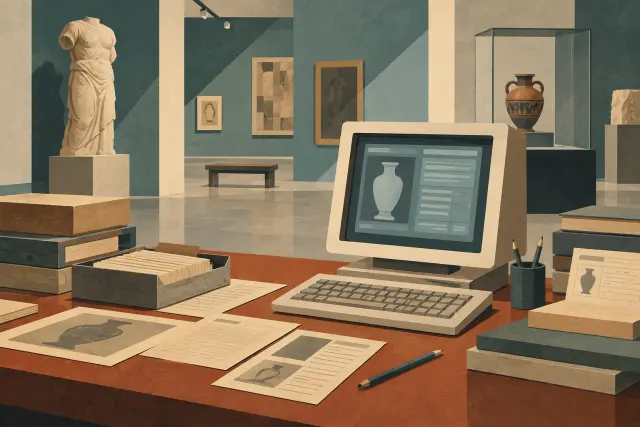
Open storyComputers can help document and manage collections while also becoming part of the heritage a museum chooses to preserve. This dual role changes the questions around context, documentation and preservation.
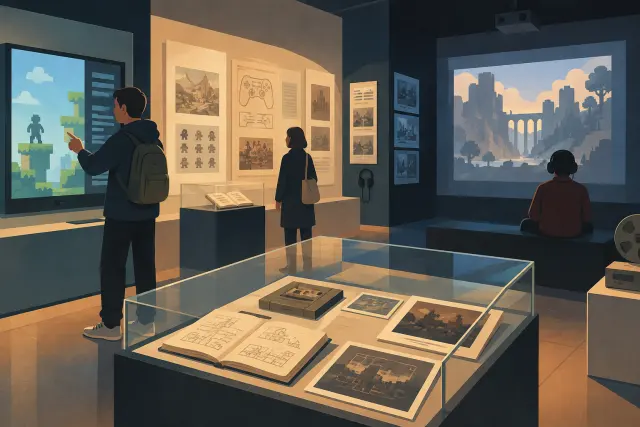
Open storyMuseums use video games to interpret collections while also facing questions about preservation, documentation, and experience. The available evidence points to a diverse field that remains under discussion.
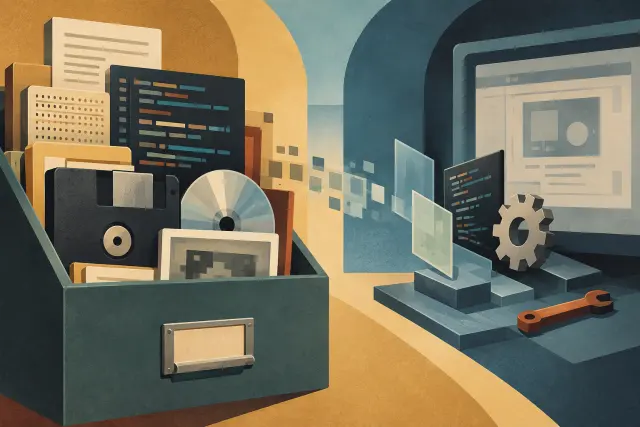
Open storyPreserving software means more than keeping a storage medium: the information, its legibility and the conditions that make it interpretable also matter. What the available sources can—and cannot—establish.
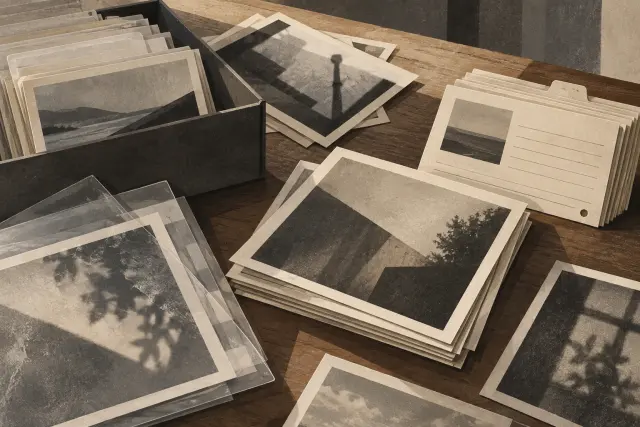
Open storyPhotographic archives preserve more than images: they invite questions about who made them, how they were organized and which accounts became visible. A cultural reading of collections and repositories described by Spanish institutions and scholarship.
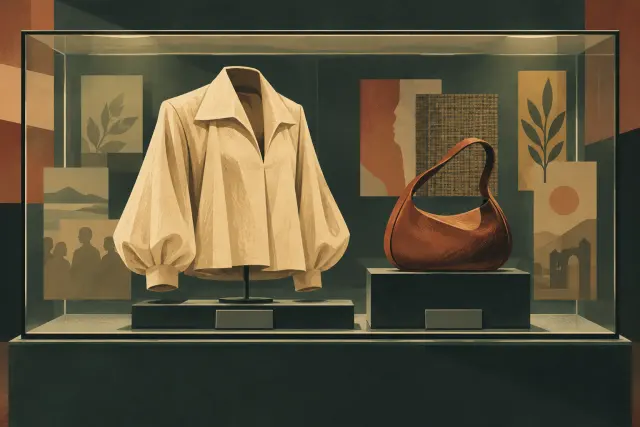
Open storyA garment in a museum is more than a shape or a material: its preservation and display raise questions about customs, memory and the stories we build around fashion.
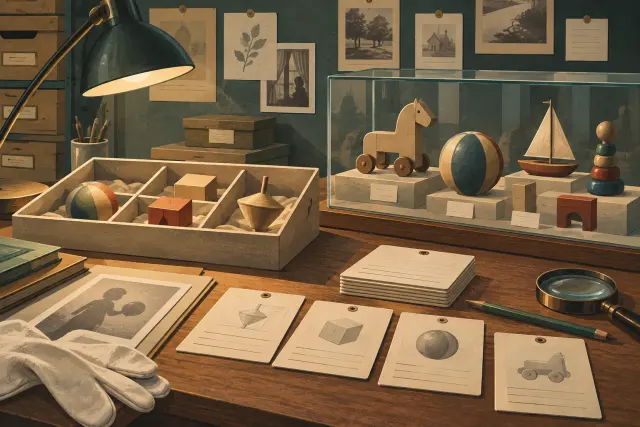
Open storyExhibitions, archives and collections allow toys to be read as objects of material culture. Their documentary value lies in what they may reveal about manufacture, everyday life and education—and in the questions that remain unanswered.
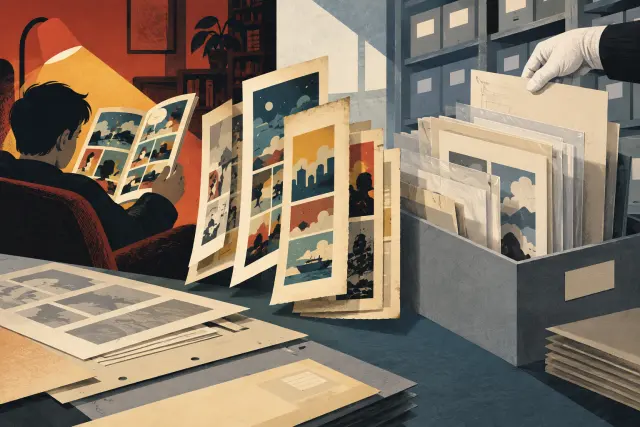
Open storyMagazines, fanzines, minicomic booklets and albums are not interchangeable containers: format shapes how a comic is read and how it can be studied and preserved. The available evidence supports a careful discussion of that relationship, but not a complete history of materials described here only in part.
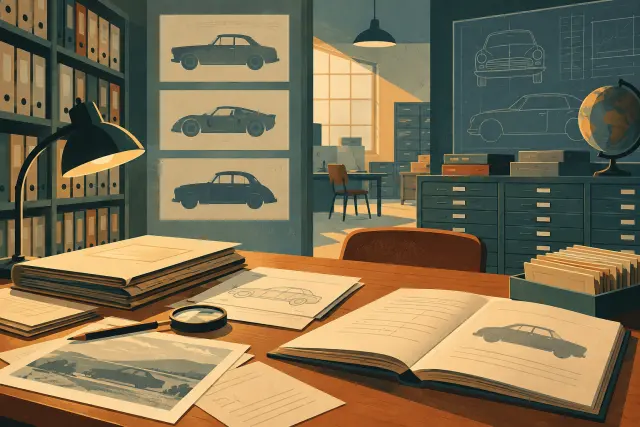
Open storyMotor museums preserve vehicles, but historical interpretation also depends on archives and information that place them in context. The Museo de Historia de la Automoción de Salamanca shows what the available evidence supports—and what should remain open.
Open storyA look at commercial nostalgia as both strategy and design language: what the sources say about bringing back products from the past, and what they do not establish.
Open storyA study of video games’ shift from everyday objects to contemporary art raises a retro-contemporary question: what does it take to preserve not only a work, but also the evidence and context needed to interpret it?
Open storyThe available evidence brings together studies on industry, localization, learning and accessibility. Rather than forcing them into a single chronology, it shows which aspects of video games are being studied—and where these sources fall short.
Open story