DATABASE / SEARCH

Explore

Archive of technology, entertainment and everyday life

Analysis · 2000

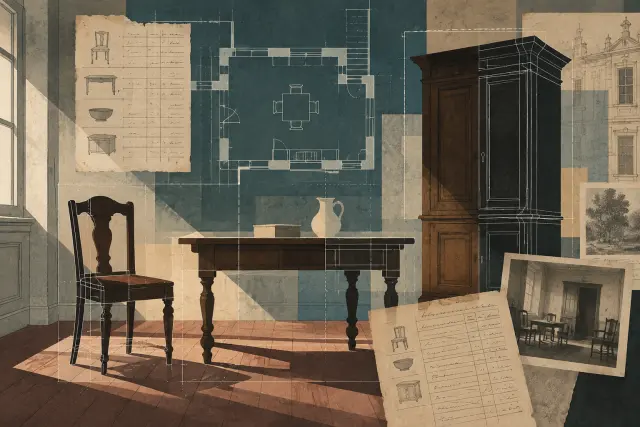
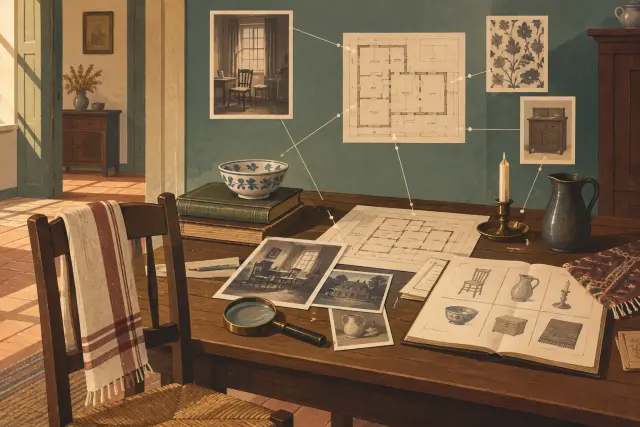
Reading a Historic Home Through Its Furniture and Archives

Furniture, photographs and inventories can help explain how a home was organized, but no object tells its whole story on its own. Collections at Madrid’s National Museum of Anthropology and Colombia’s National Museum show why sources must be read together—and why historical evidence should be distinguished from museum display.

Open story
Analysis · 2000

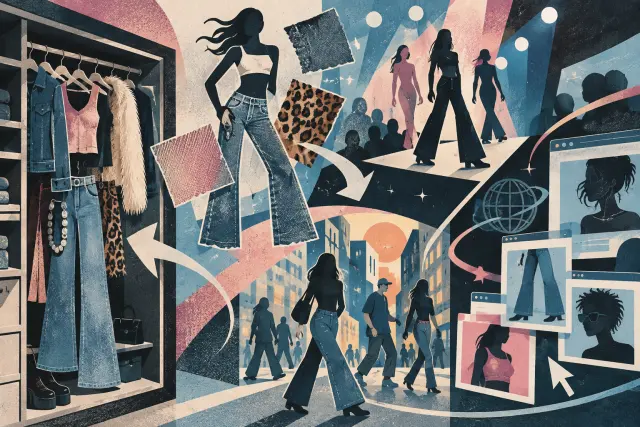
2000s Fashion: Denim, Celebrity and Styles in Circulation

From low-rise jeans and slim silhouettes to the influence of celebrities, music and online retail, 2000s fashion took shape through distinct trends that circulated at different speeds. Runways, press images and everyday styles did not form a shared uniform, but a varied landscape transformed by the internet and mass consumption.

Open story
Analysis · 2000

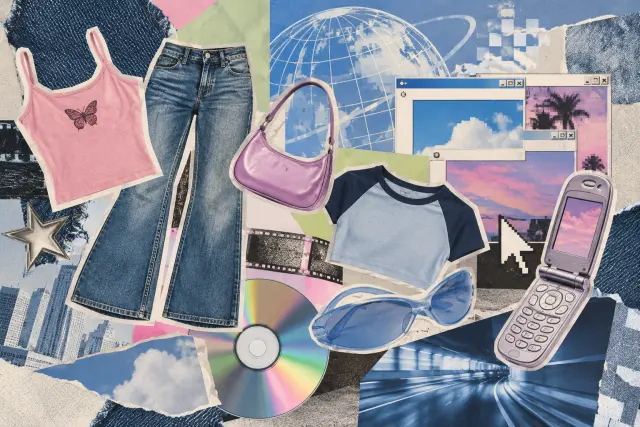
2000s Fashion: Diverse Styles and Trends That Traveled Online

Low-rise denim, boho styling, skinny jeans and sportswear coexisted in a decade without a single dominant silhouette. Magazines, television and the circulation of images online helped spread garments and references, though celebrity photographs and runways did not represent how everyone dressed.

Open story
Analysis · 2000

Restoration Also Meant Learning to Document

Records of work at the Prado, the Cerralbo Museum and the National Archaeological Museum show how documentation and institutional coordination form part of conservation history, although the available sources do not describe the techniques used in detail.

Open story
Analysis · 2000

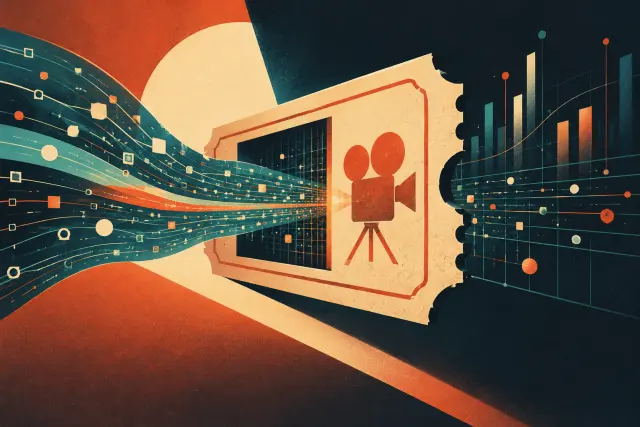
The digital pulse setting film release dates

Beyond the production calendar, studios use massive mobile user data to predict audience response. This analysis explores how predictive analytics is redefining release strategy and the ethical challenges it poses for cultural diversity.

Open story
Analysis · 2000

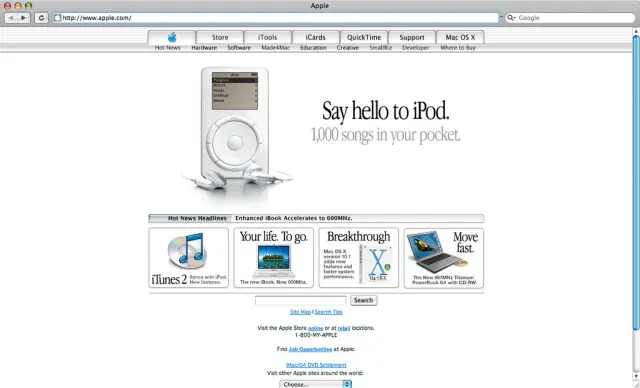
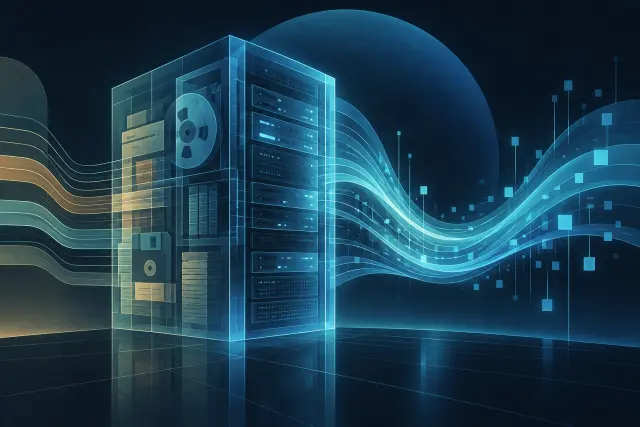
Beyond the Bit: The Functionality Crisis in Digital Archives

Digital preservation faces a challenge that goes beyond file copying: maintaining the functionality of old software. This analysis examines how cultural institutions integrate emulation and technical documentation to prevent technical obsolescence from erasing the historical user experience.

Open story