Digital preservation is not merely about duplicating bits, but ensuring that information remains readable and functional despite rapid technological evolution. In the context of old software, this task is significantly complicated by the dependence on specific hardware and operating systems that are no longer manufactured. Museums and documentation centers are redefining their strategies to address this complexity, recognizing that the mere digitization of manuals or screenshots is insufficient to capture the essence of computing interaction from past decades.
Technical obsolescence as a primary barrier
The main obstacle to the conservation of old software is technical obsolescence. Unlike paper documents, which may only require stable environmental conditions, software programs depend on a specific execution environment. When the original hardware becomes unavailable or operating systems are replaced, the ability to run the software is compromised. This reality forces institutions to seek solutions that go beyond passive storage, incorporating active preservation methods that maintain the viability of the programs.
The role of emulation in conservation
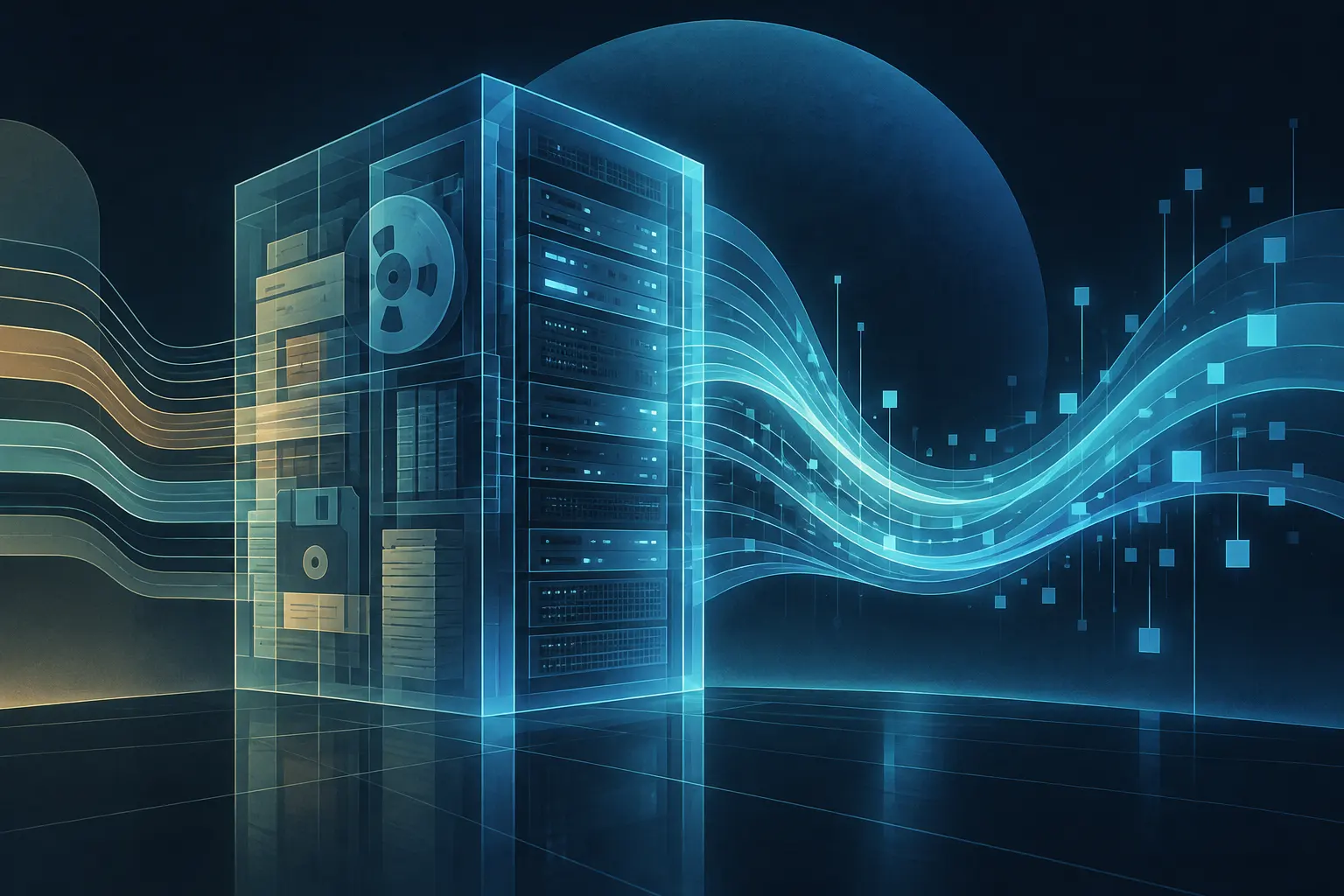
Emulation has emerged as a key tool in digital conservation plans. By recreating the original hardware and software environment on a modern platform, emulation allows old programs to remain usable. This approach not only preserves the data but also maintains the user experience, including the technical limitations that defined interaction with the computer in its time. Emulation allows researchers and the general public to experience the software under conditions similar to the original, which is crucial for understanding the historical context of its development and use.
Technical documentation as an essential complement
While emulation is fundamental, it is not sufficient on its own. Technical documentation plays an essential complementary role in the preservation of old software. Manuals, architecture diagrams, and technical specifications provide the necessary context to understand how the software worked and how it interacted with the hardware. This documentation is vital for the preservation community, as it allows for the precise recreation of emulation environments and facilitates the understanding of the specific limitations and features of each program. Without this documentation, emulation could result in incomplete or inaccurate representations, compromising the integrity of the digital heritage.
Collaboration between institutions and communities
Evidence suggests that collaboration between cultural institutions and preservation communities is crucial for standardizing digital preservation processes. Cultural institutions possess the resources and infrastructure necessary to implement conservation plans on a large scale, while preservation communities contribute specialized technical knowledge and a passion for old technology. This collaboration allows for the sharing of resources, standardization of practices, and development of common tools that improve the efficiency and effectiveness of preservation efforts. Furthermore, it fosters a more holistic approach that considers not only technical conservation but also the cultural and historical value of the software.
Challenges in standardizing processes
Despite advancements, the standardization of digital preservation processes remains a challenge. The diversity of formats, platforms, and technologies used in old software makes it difficult to establish a single set of guidelines applicable to all cases. Guidelines from organizations such as UNESCO and IFLA provide a starting point, but require adaptation to the specific circumstances of each institution and collection. The lack of standardization can lead to inconsistent practices and the loss of valuable information if the methods used are not adequately documented. Therefore, it is necessary to continue developing and refining guidelines to address the particularities of preserving old software.
The cultural value of old software
Old software is not just a technical tool, but a cultural artifact that reflects the capabilities, limitations, and aspirations of its time. The preservation of this software allows future generations to understand how technology influenced society, economy, and culture. By keeping the functionality of these programs alive, museums and archives do not only conserve data but also preserve an important part of the history of computing and human-machine interaction. This cultural value justifies investment in advanced preservation methods and inter-institutional collaboration.
Limitations and future directions
Although emulation and technical documentation are powerful tools, they have their limitations. Not all programs can be emulated with precision, and documentation may be incomplete or lost. Moreover, the emulation technology itself is subject to change, requiring constant updating of preservation environments. In the future, it will be necessary to explore new technologies and approaches to improve the accuracy and accessibility of digital preservation. Continued research in this field is essential to overcome these limitations and ensure that digital heritage is effectively conserved for future generations.
- Decade
- 2000s
- Region
- Global
- Level
- Enthusiast
- Entities
- No linked entities
Sources and references
- Conservación del patrimonio cultural digitalopenalex.org · 2026-10-23
- Plan de Conservación Digital para Museosevemuseografia.com · 2026-10-23
- Directrices UNESCO/PERSIST sobre selección del ...repository.ifla.org · 2026-10-23
- PLAN CONSERVACIÓN PREVENTIVA MUSEO SEFARDÍwww.cultura.gob.es · 2026-10-23
- Preservación digitales.wikipedia.org · 2026-10-23