Old Software Is Not Preserved Simply by Downloading It
A guide to what virtual museums, emulation and community collections contribute to access to old software—and what context is still missing even when a program runs again.
Open storyArchive of technology, entertainment and everyday life
A guide to what virtual museums, emulation and community collections contribute to access to old software—and what context is still missing even when a program runs again.
Open storyA critical journey through clothing’s move from the historical display case to the museum as a space for contemporary culture. Using documented milestones from 1971 to 1982 and conservation criteria, this article explains what a garment can communicate, why displaying it poses material limits, and which questions remain open.
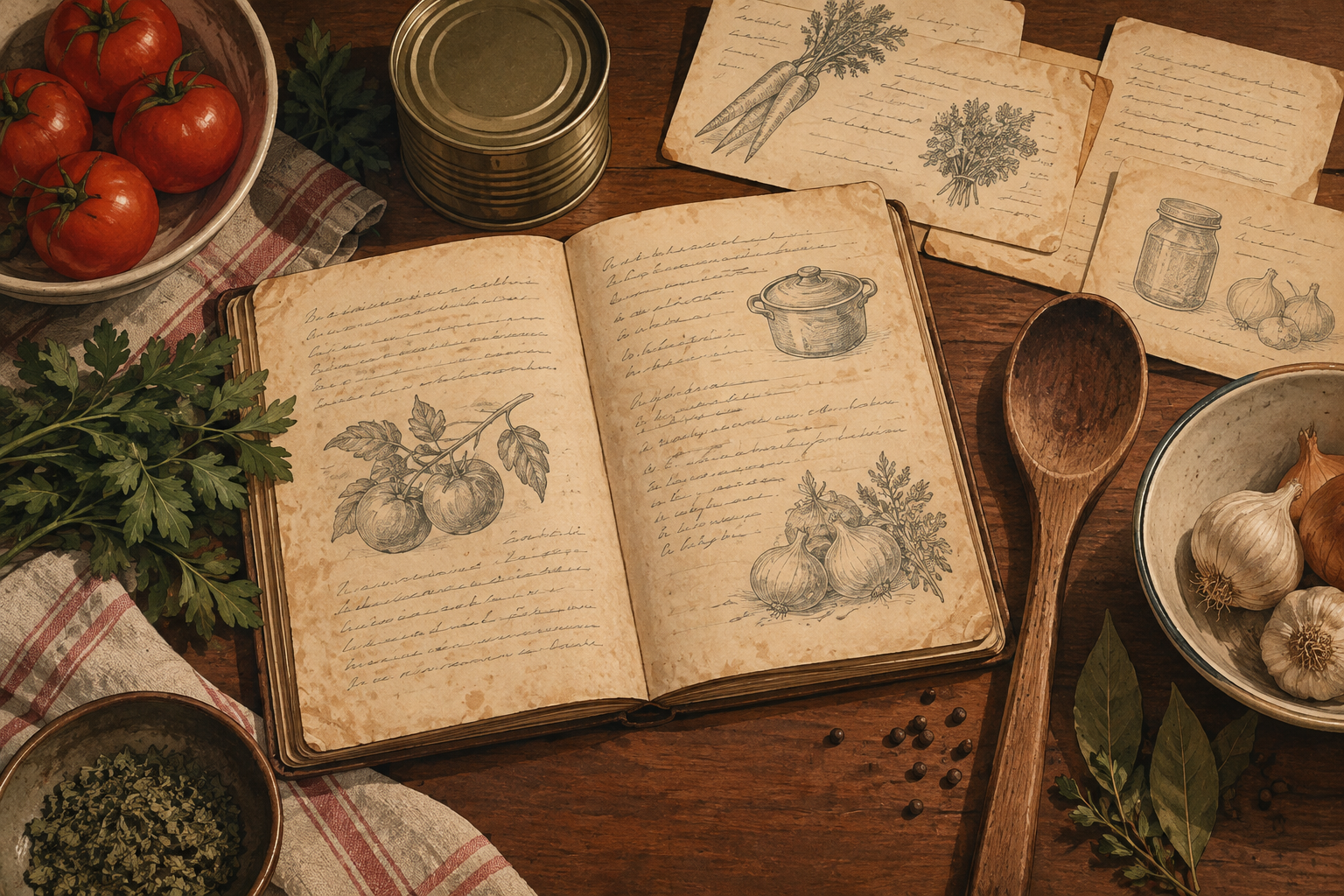
Open storyRecipe books, labels, tins and culinary documents can be read as evidence of habits, aesthetics and memory, provided they are preserved and contextualised without turning nostalgia into automatic historical proof.
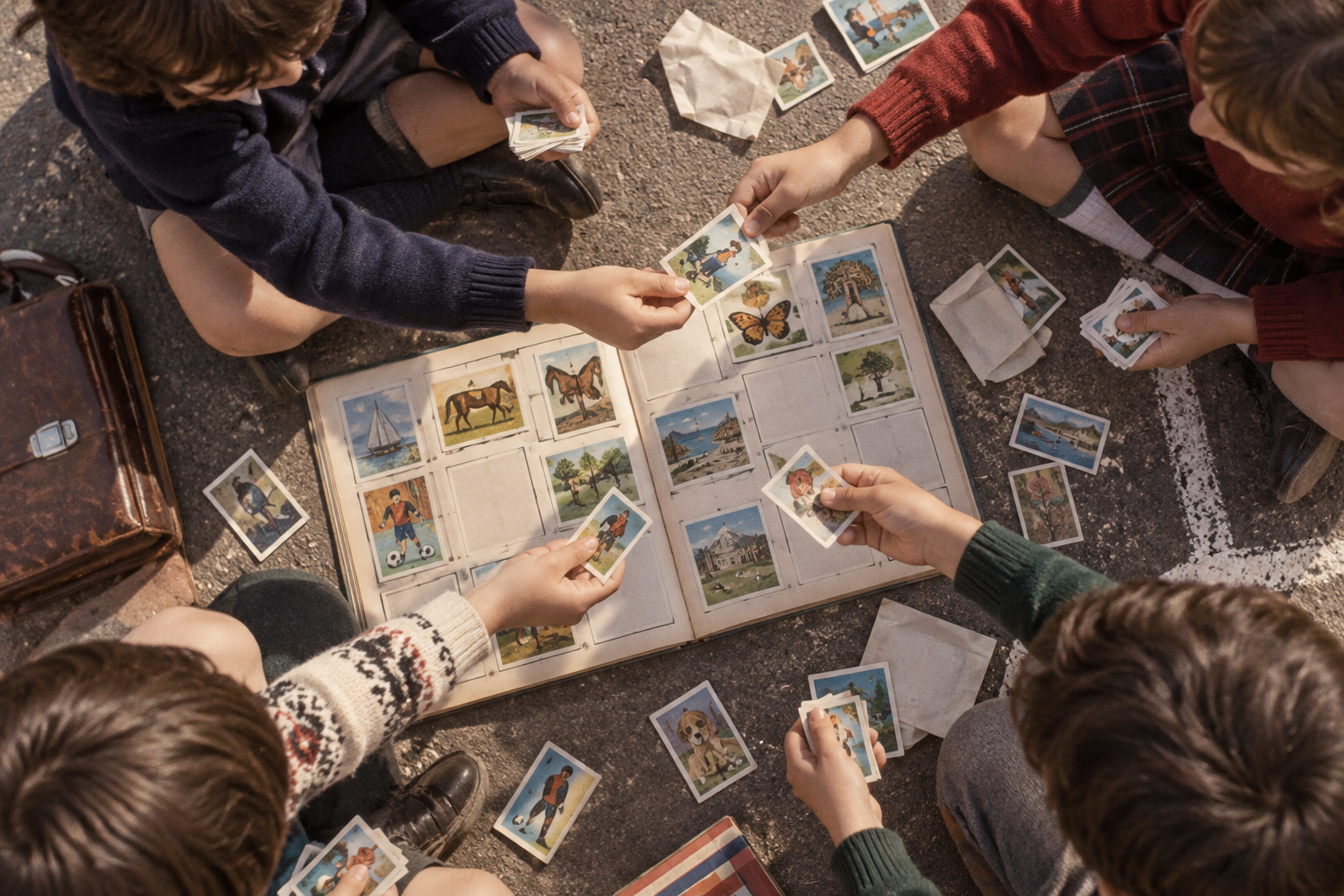
Open storyA cautious history of Spanish sticker albums: their connection with consumer goods, sale in packets, football and the collective practice of trading duplicates.
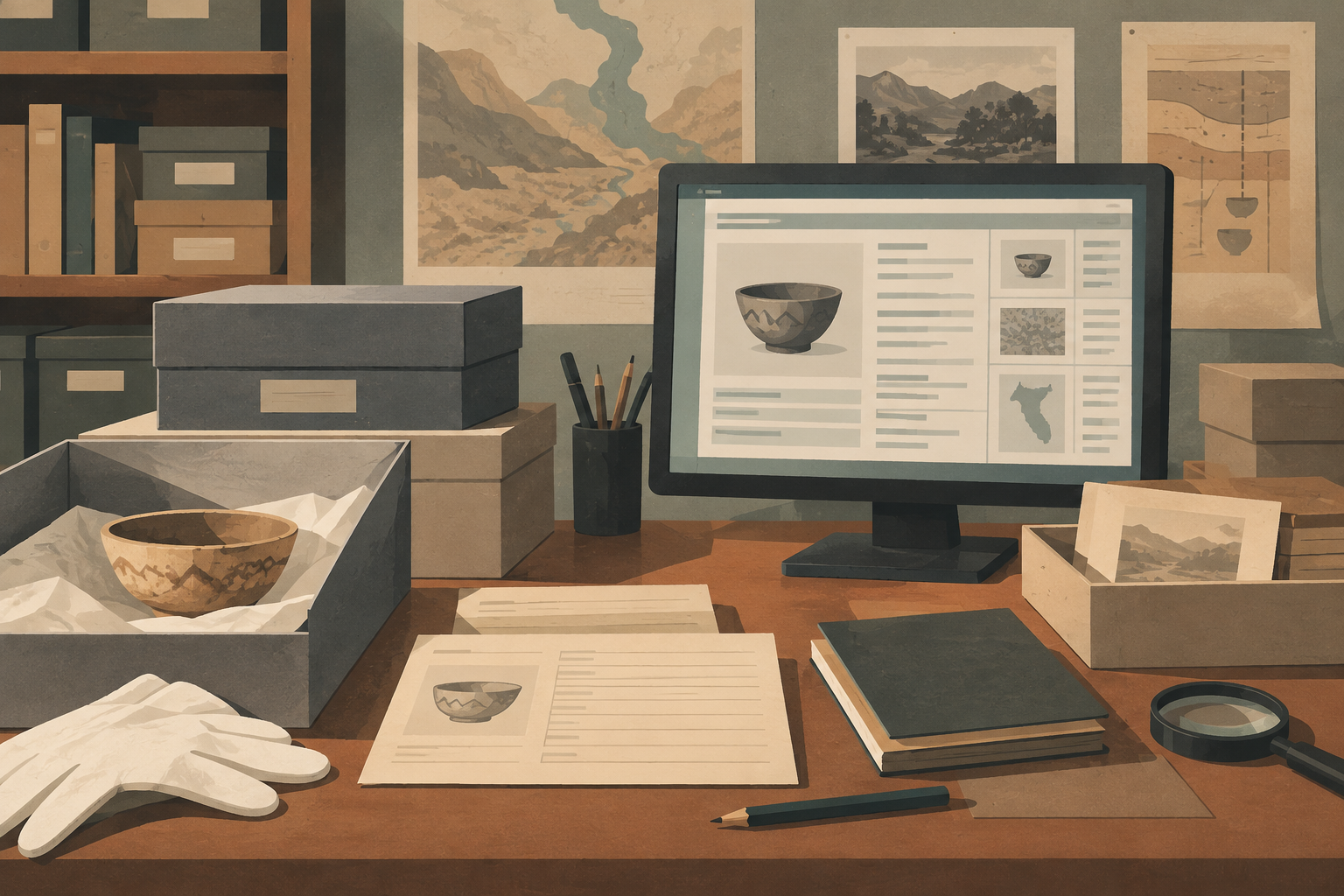
Open storyA digital copy can broaden access to a collection, but it cannot by itself replace the documentation explaining what an object is, where it came from, and how it reached a museum. This editorial guide examines the value of metadata, archives, and digital narratives in preserving technology and material culture without losing meaning.
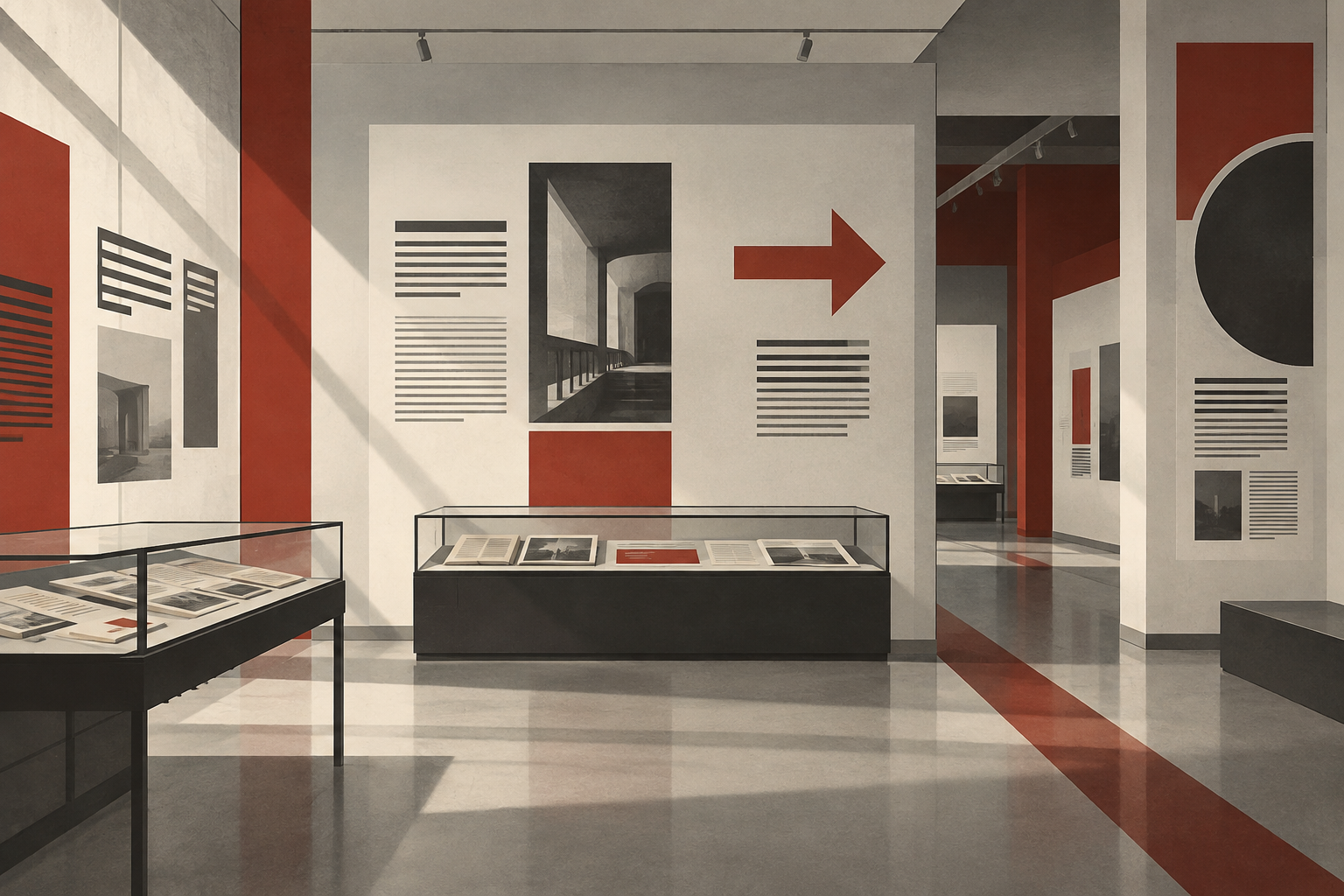
Open storySignage, labels, catalogues and promotional material are not merely packaging for collections. Drawing on sources about documentation, archives and museum practice, this article examines how design structures a visit, shapes public interpretation and should be preserved with its context.
Open storyMuseum archives and collections do not only gather exceptional objects: they also make it possible to study everyday activities, customs, and relationships. Drawing on documented holdings in Spain and Latin America, this article examines what can be stated about that work and its limits.
Open storyA reading guide to preventive conservation and documentation in the decorative arts: why preserving an object means protecting not only its material but also its history, condition and relationship to a collection.
Open storyPersonal, corporate, promotional and film holdings make it possible to study cinema beyond the films themselves. This guide examines what Spanish archives document, the role of distribution, and why preserving contextual materials matters.
Open storyComics and magazines cease to be ephemeral materials when an institution, collection or digitisation project contextualises, describes and preserves them. Drawing on sources about the Museu del Còmic i la Il·lustració, public archives and digital-preservation studies, this article examines what can be verified about that transition.
Open storyCollections and exhibitions at the Museo del Traje and other institutions make it possible to read fashion as material culture: garments, accessories, photographs, magazines, patterns and fashion illustrations preserve traces of production, circulation and use. A tour of what these sources allow us to state—and what they do not—about Spanish fashion from the post-war years to the 1970s.
Open storyA look at the sources that turn food into historical material: academic studies, exhibition catalogues, bibliographies, archives, and ethnographic collections.
Open story