A history that does not fit on a plate
Food leaves many kinds of traces. It can appear in recipe books, magazines, fanzines, documents and preserved objects; it can also become the subject of an exhibition or a social history. That range is what the available sources support. They do not provide a verifiable timeline for a particular sweet, or information about manufacturers, sales or recipe changes. Rather than inventing a life story for a product, it is more useful to consider how an archive is built so that such a story might one day be told.
The recipe book as a document
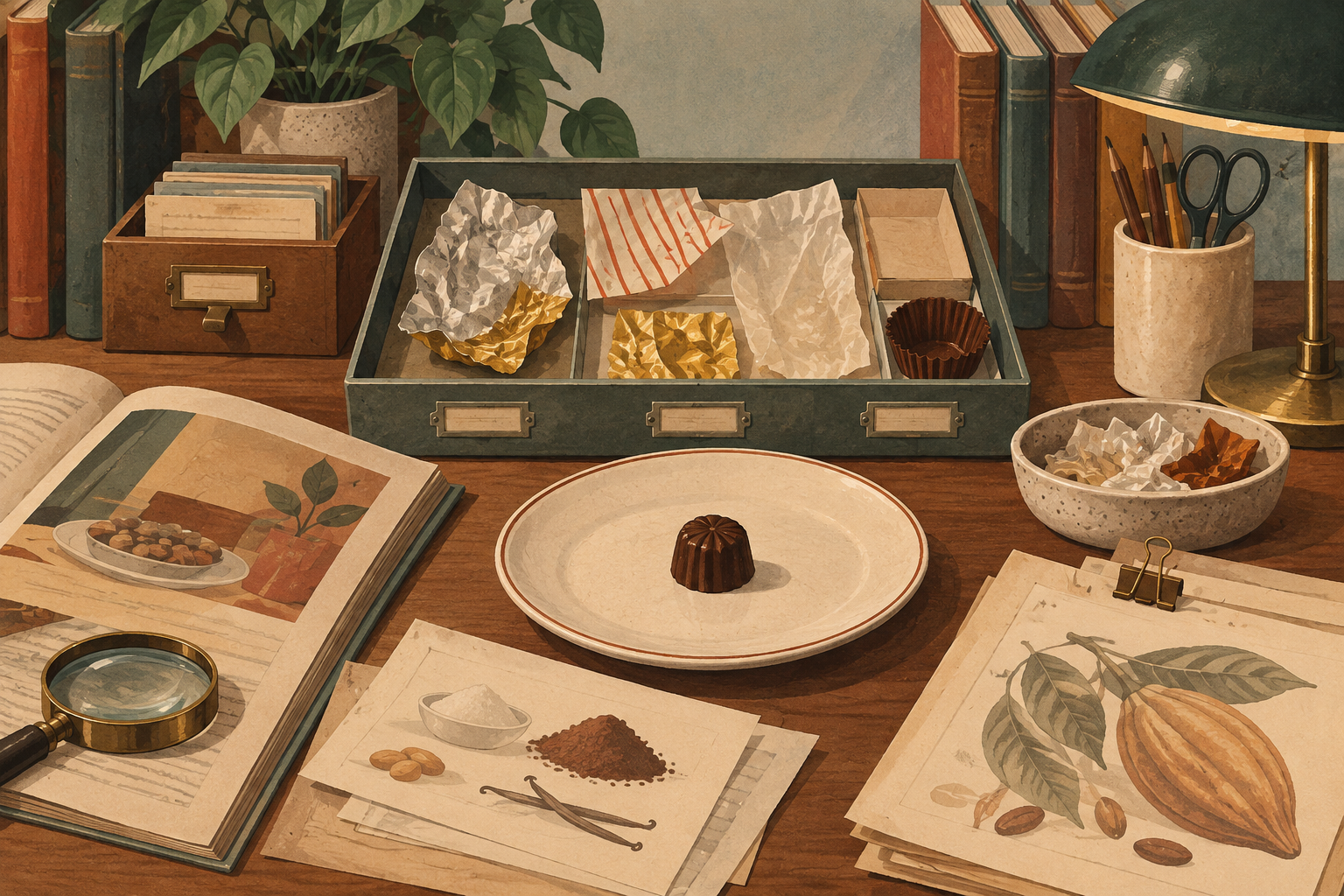
Food Cultura describes its bibliographic collection as devoted to food culture and comprising books, recipe books, magazines, fanzines, CDs and memorabilia related to the history of food. The range matters: a recipe book records instructions and combinations; a magazine or fanzine offers other forms of communication; objects and memorabilia extend the view beyond written material. The source does not identify individual items or dates, so it cannot support claims about a particular copy or a specific collection of sweets.
Sweets and cultural work
The curatorial text for “Patrimonio Comestible: Una historia de dulces y de sus reposteras” says the project arose from several observations and a perceived need. Its title brings sweets and the women who make them together: it invites attention both to what is produced and to the people involved in making it. That is a useful direction for cultural history, although the available excerpt gives no names, techniques, places or periods. That boundary should remain clear; a brief presentation cannot serve as evidence for details it does not contain.
A table also organizes time
The Museo Reina Sofía page for “Sobre la mesa” suggests considering food through cycles, including germination and fermentation, and other processes necessary for consumption. This approach foregrounds the time that runs through food. In research on sweets, it could help frame questions about production, preservation and consumption; the description consulted does not answer those questions or document processes associated with a particular product.
From general history to everyday objects
The Fundación Juan March talk presents a history of food in Spain through foods and recipes inherited from different eras and cultures, and highlights the exchange between the Americas and Europe following the arrival of foods from the New World. This is a broad context, not a product profile. The RetroPause text among the sources also notes that a history of food can include popular products and sweets, though its excerpt gives no examples. Together, these references support investigating everyday things, but they do not license filling gaps with assumed anecdotes or dates.
What an archive can establish
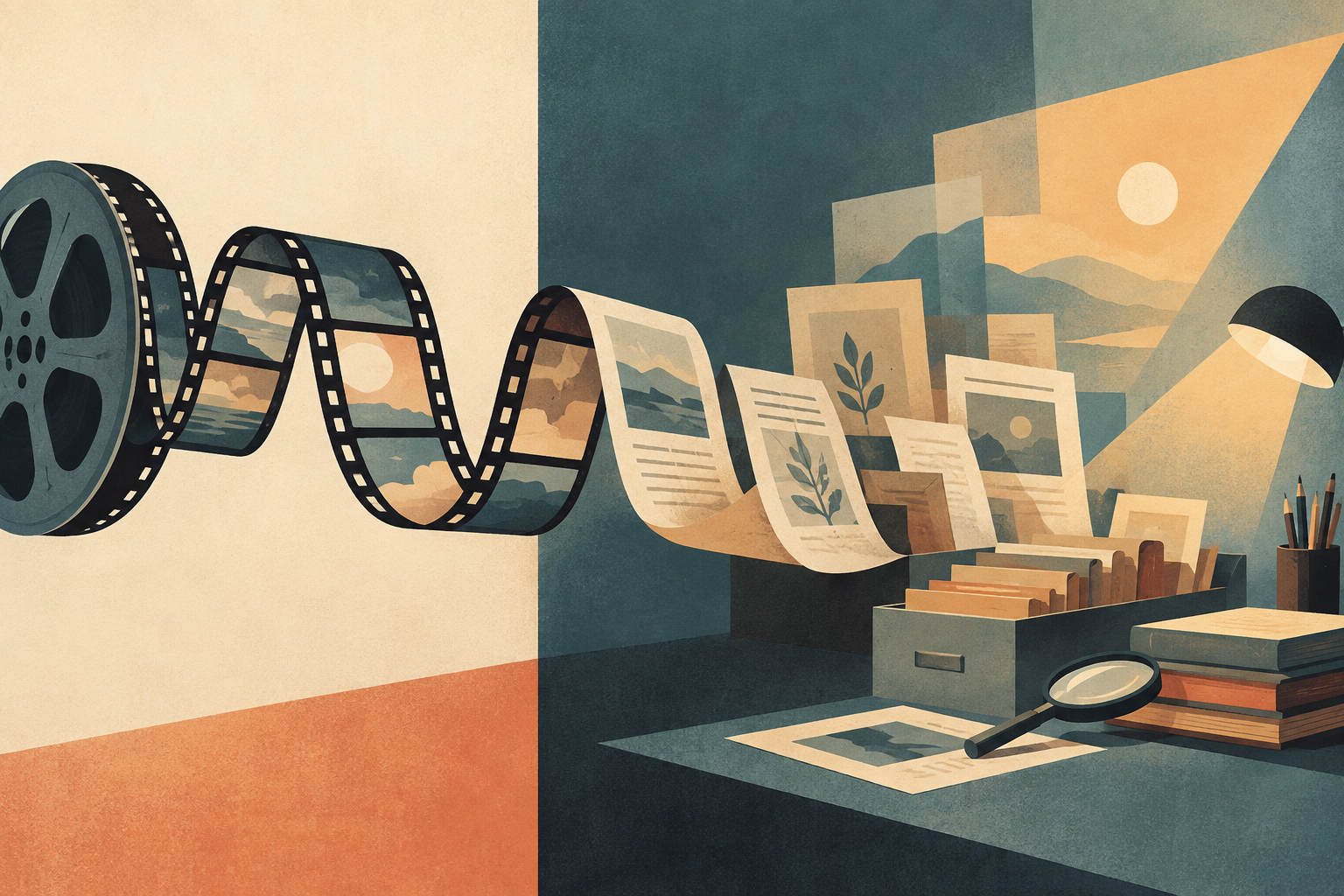
A sweet can be studied as both food and cultural object when sufficient sources survive: packaging, advertising, recipes, attributable testimony or business records, for example. The material available here contains no such specific records. It does, however, show that food culture is archived and exhibited from different perspectives. The soundest conclusion is therefore not a brand history but a methodological invitation: preserve the traces, identify their provenance and distinguish what is documented from what still needs research.
- Decade
- Contemporary
- Region
- Spain
- Level
- Introduction
- Entities
- No linked entities
Sources and references
- De la mesa al archivo: cómo la alimentación se convirtió en ...www.retropause.com · 2026-09-29
- Patrimonio Comestible: Una historia de dulces y de sus ...www.cultura.gob.es · 2026-09-29
- Sobre la mesawww.museoreinasofia.es · 2026-09-29
- Archivowww.foodcultura.org · 2026-09-29
- Historia de la comida en Españawww.march.es · 2026-09-29