Editorial team illustration · RetroPause
Retro design can quote the past without being a historical object or a faithful replica. Distinguishing provenance, materials, and uses helps show what a reinterpretation retains and what new meanings it takes on.
Read article ↗
Editorial team illustration · RetroPause
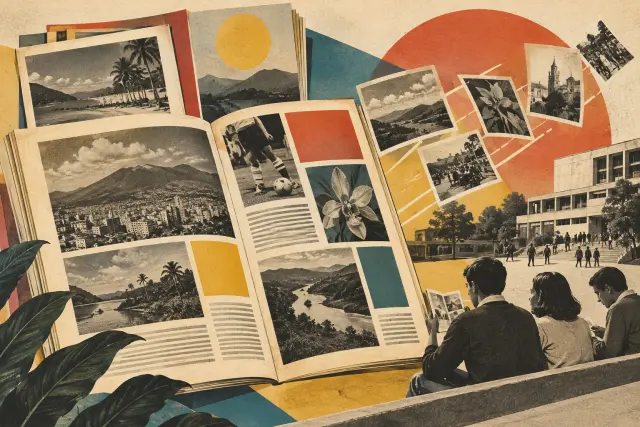
Between 1910 and 1931, magazines such as El Gráfico, Cromos and Universidad made room for artists, caricaturists and photographers in a country whose press was deeply shaped by politics. Their pages did more than record events: through covers, portraits, caricatures and photographs, they offered ways of seeing Colombian society without becoming comics built on sequential storytelling.
Read article ↗
Nicolas Nova · Wikimedia Commons · CC BY 2.0 · CC BY 2.0
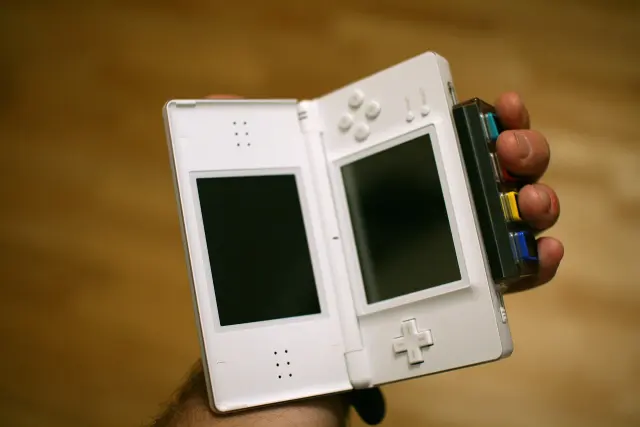
Launched between 2004 and 2005, depending on the market, the Nintendo DS turned its clamshell design, touchscreen and wireless connectivity into more than technical features: they invited developers to rethink how games could be presented and shared.
Read article ↗
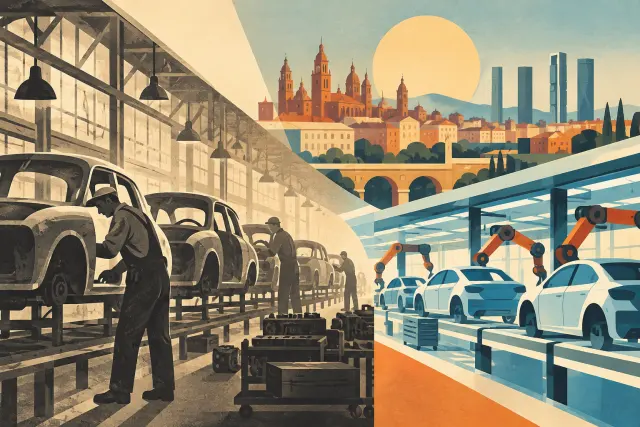
Editorial team illustration · RetroPause
Founded in 1950 with state, banking and technical participation from Fiat, SEAT turned carmaking into a large-scale industrial project. From the 1400 built at Zona Franca to the popular 600, and from its break with Fiat to integration into Volkswagen, the company’s history shows how industrial policy, manufacturing expertise and changing patterns of mobility intersected in Spain.
Read article ↗
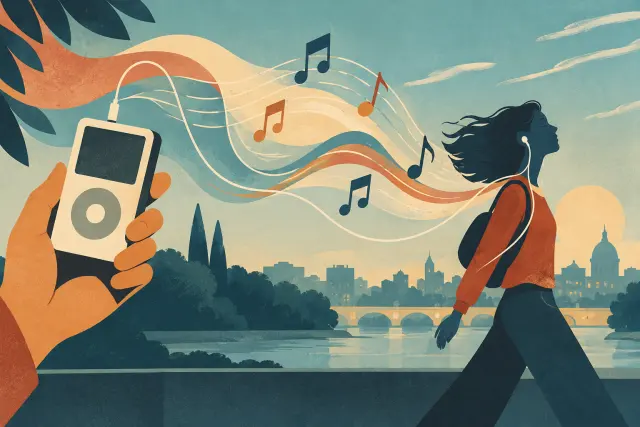
Editorial team illustration · RetroPause
Led by the iPod’s example, digital players made it possible to carry a music library in a single device. Portable listening also reshaped less visible routines: preparing files on a computer, syncing tracks, and choosing what to hear in each moment.
Read article ↗

Editorial team illustration · RetroPause
The 1990s transformed video games without replacing one platform with another overnight. 3D graphics, CD-ROMs, personal computers, and early networked communities broadened the medium, while arcades retained experiences that were difficult to reproduce at home.
Read article ↗
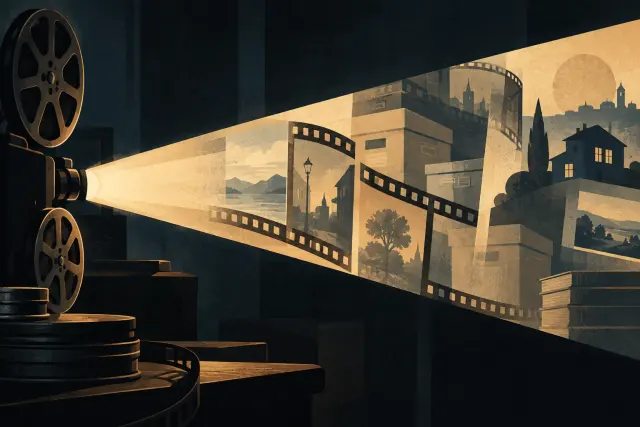
Editorial team illustration · RetroPause
Films are works of art and sources for thinking about social memory. Preserving them means attending to how they were made, what they show and which decisions shape the versions audiences encounter.
Read article ↗
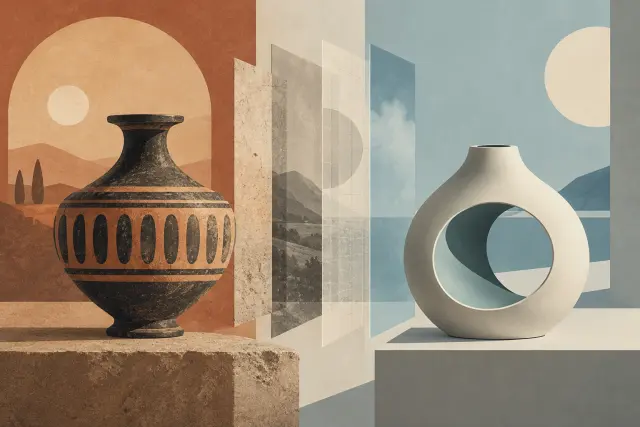
Editorial team illustration · RetroPause
A familiar silhouette can evoke another era without turning a new object into a historical one. A careful reading of retro design compares form, materials and function while considering the contexts that give each design meaning.
Read article ↗
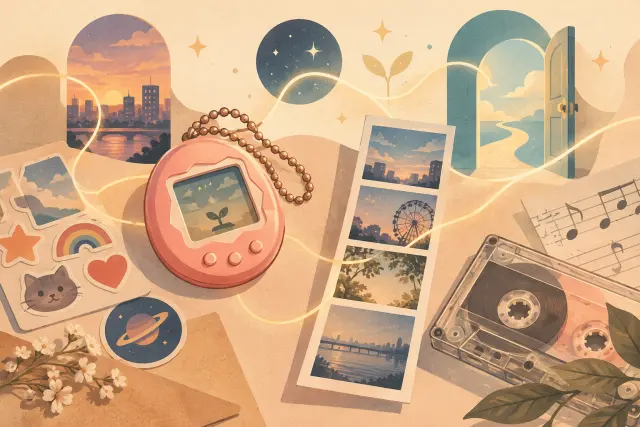
Editorial team illustration · RetroPause
Heisei retro brings together objects and practices from Japan between 1989 and 2019, but it belongs not only to those who lived through the era. Tamagotchi, stickers, purikura, anime and music show how a reissue can revive not just a design, but ways of playing, making and sharing.
Read article ↗
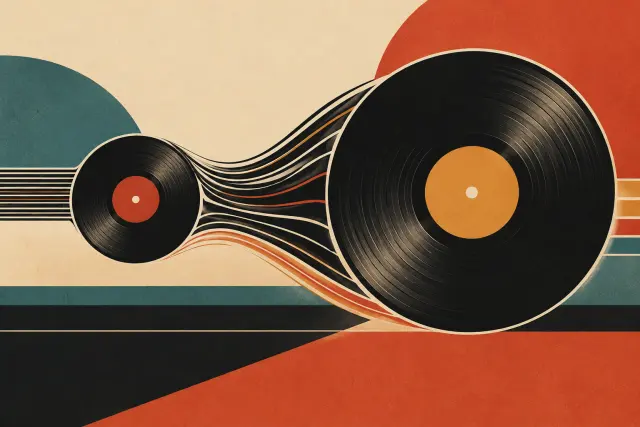
Editorial team illustration · RetroPause
The playing time on each side of a record shaped what could be recorded, how music was released and how listeners used their players. From shellac 78s to Columbia’s microgroove LP and RCA Victor’s 45-rpm single, changing formats altered musical publishing and home listening without dictating a single idea of what an album should be.
Read article ↗
This is the preserved newsletter snapshot. Linked articles may receive subsequent corrections.