When the games came inside the console
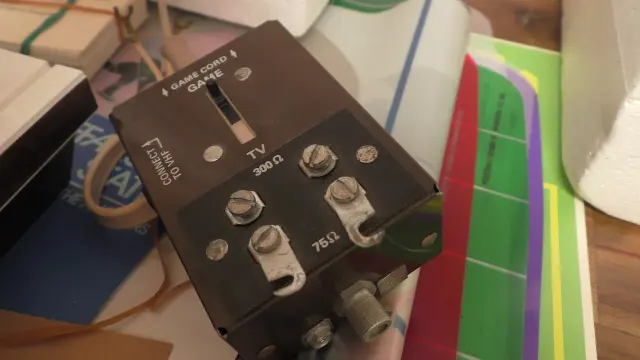
Early home consoles explored different ways to deliver games: many were built into the machine, while the Magnavox Odyssey also introduced interchangeable cartridges and separate controllers.
Open storyArchive of technology, entertainment and everyday life
Early home consoles explored different ways to deliver games: many were built into the machine, while the Magnavox Odyssey also introduced interchangeable cartridges and separate controllers.
Open storyMuseums, film libraries and archives preserve different kinds of material and describe them using criteria that matter. Reading their sources carefully helps distinguish what is documented from what we still do not know about film history.
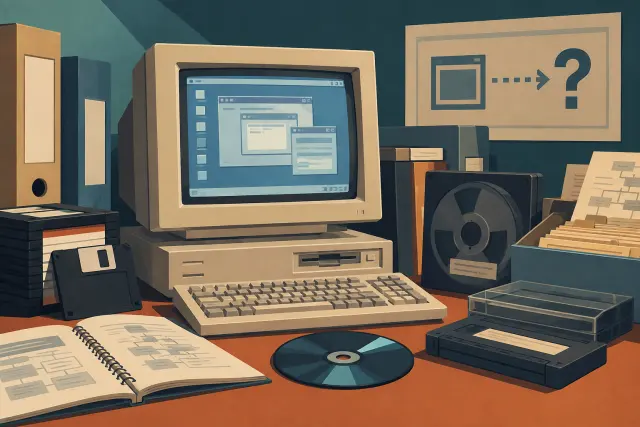
Open storyOld software presents a particular challenge: keeping its files is not the same as preserving the ability to run it. What can be documented, and what remains unverified in the available evidence.
Open storyIn Buenos Aires and Montevideo, the peinetón became an oversized accessory associated with prestige and social meaning. Its history shows how a fashion object could also speak to identity and public presence, while the available evidence calls for separating documented details from interpretation.
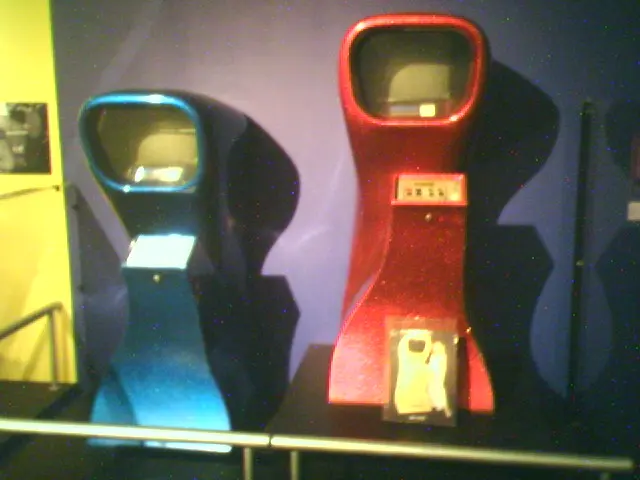
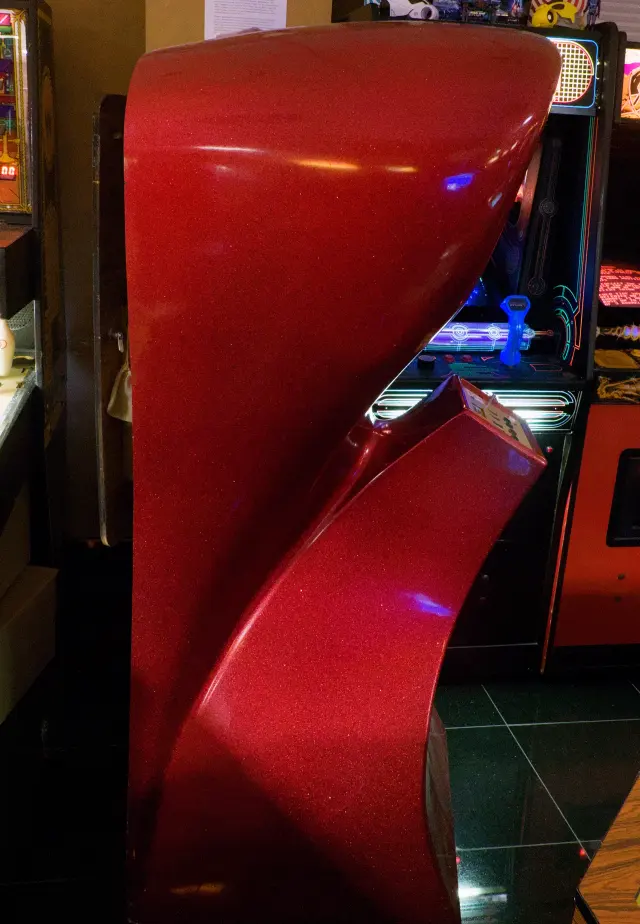
Open storyThe sources identify Computer Space as an early commercial milestone. From there, arcade history can be followed through machines and venues, but also through specialist archives, databases and public-history projects. The available evidence also makes clear where claims must stop.
Open storyAn image may identify a place and its subjects and still leave one essential question unanswered: who produced it, and in what context? An archival photograph becomes a historical document when it is preserved alongside the relationships that explain its origin, use and history.
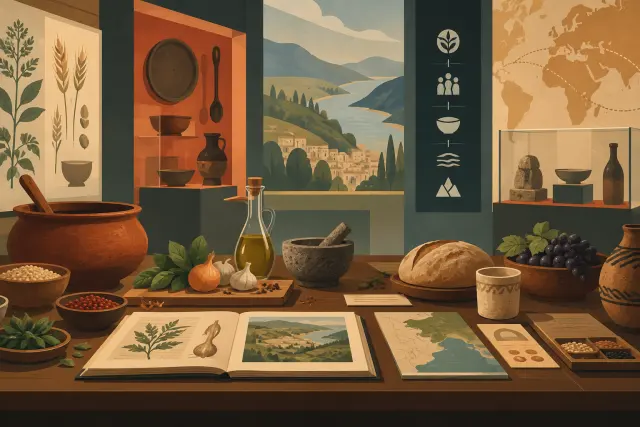
Open storyFood, cooking and drink form part of food heritage. The available sources show why exhibiting them also means considering practices, contexts and ways of passing knowledge on.
Open storyIn the 1970s, Japanese television animation broadened its forms and audiences. The rise of mecha, the international circulation of series, and the growth of fan communities help tell that story, though the available sources do not allow it to be reduced to a single work or mapped as a complete chronology.
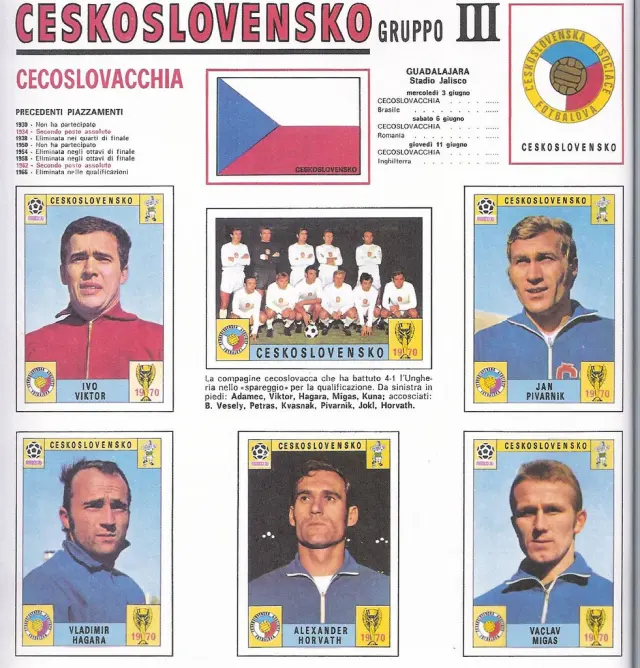
Open storyFrom pictures included with consumer goods to collectible packets and albums, the documented history shows how these small images became the focus of a shared pastime. Swapping duplicates and memories of 1970s collections are part of that story.
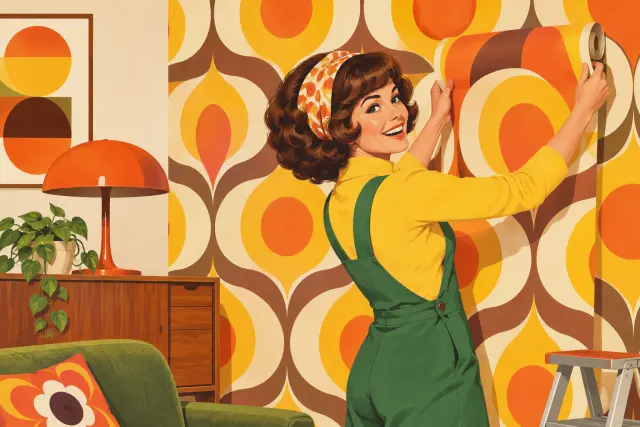
Open storyA focused look at German wallpaper advertisements that used colourful, humorous imagery from 1970 to present modern designs. The available evidence establishes the approach, but does not allow individual campaigns to be reconstructed.
Open storyThe Macintosh 128K arrived in 1984 with a graphical interface and a mouse. Its history also calls for a distinction between being first and bringing an idea to a broad audience.
Open storyCommercialized in 1971 as an arcade adaptation of Spacewar!, Computer Space offers a way to examine a key shift: video games began to be presented as public, commercial experiences. The available evidence also shows that some milestones in this history remain disputed.
Open story