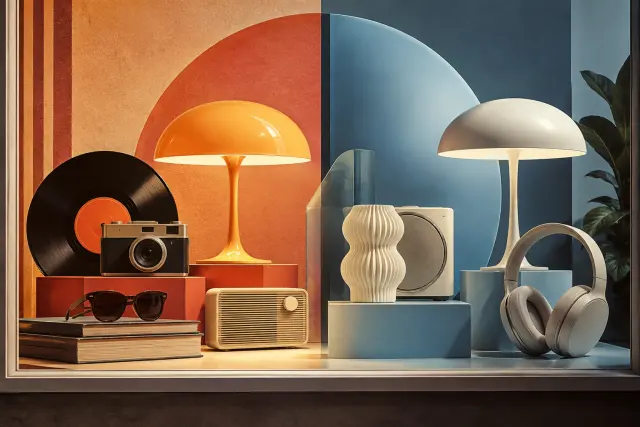
The past returns to the shop window, but not unchanged
A look at commercial nostalgia as both strategy and design language: what the sources say about bringing back products from the past, and what they do not establish.
Open storyArchive of technology, entertainment and everyday life
A look at commercial nostalgia as both strategy and design language: what the sources say about bringing back products from the past, and what they do not establish.
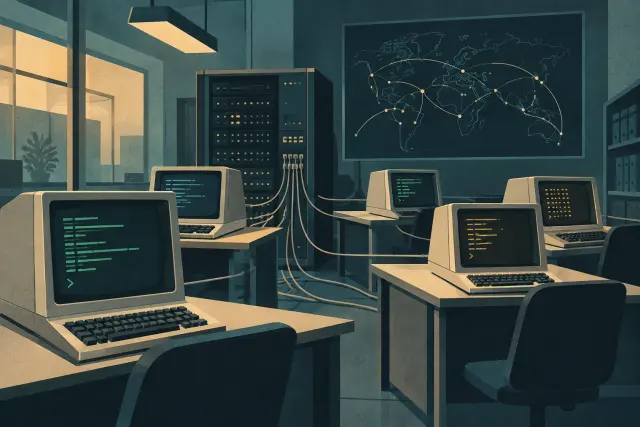
Open storyPopular memory often conflates the Internet with the Web. The available sources tell a different story: a network that incorporated email, file transfer, remote access, discussion groups and systems for organizing information.
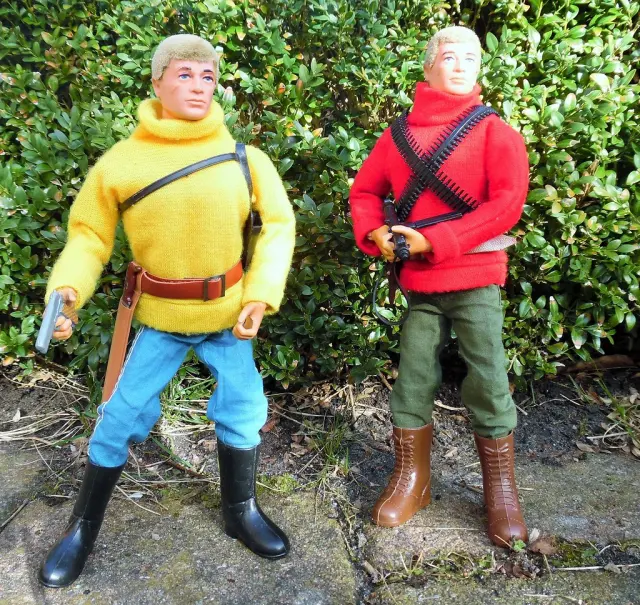
Open storyNancy and Geyperman offer a way into two prominent Spanish toy products. The available sources also point to television’s role in toy advertising and show how museums and exhibitions can preserve and contextualise these objects.
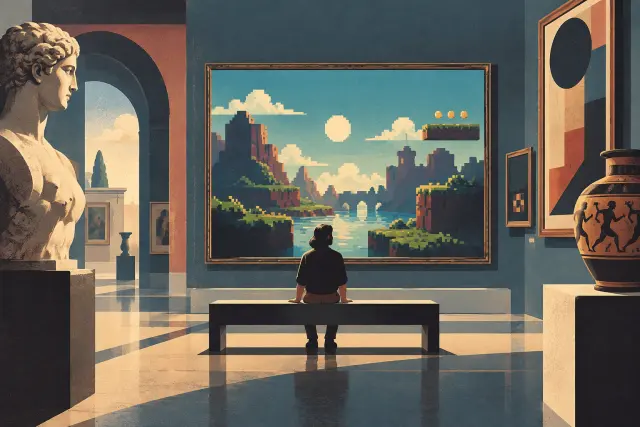
Open storyA study of video games’ shift from everyday objects to contemporary art raises a retro-contemporary question: what does it take to preserve not only a work, but also the evidence and context needed to interpret it?
Open storyWhen a toy moves from play into a collection, its function changes: it becomes evidence of a period, cultural practices and decisions about what to preserve. The display case also imposes limits; understanding the object means separating what is documented from what is interpreted.
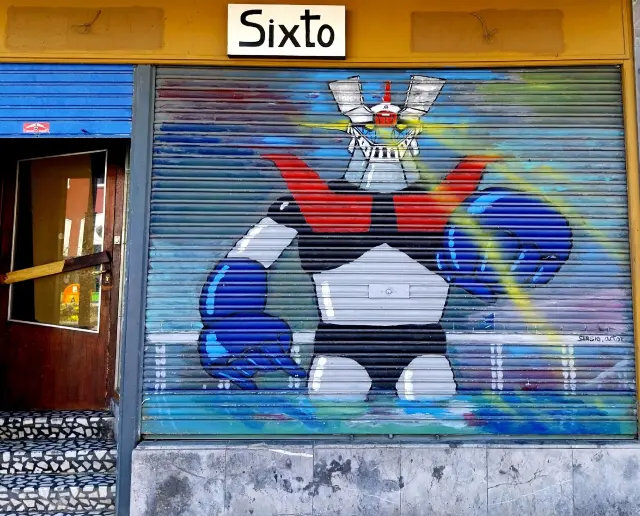
Open storyA cautious look at how 1970s anime connected with manga, science fiction and the mecha genre—and at what the available sources can actually establish about its reach.
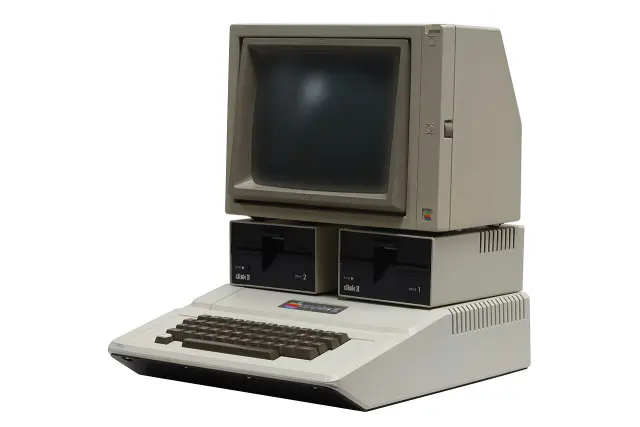
Open storyThe history of the personal computer cannot be reduced to a single machine or year. The sources place its consolidation in the 1970s and identify 1977 as a key moment, when Apple, Commodore and Tandy formed the so-called “1977 Trinity.” This overview explains what can be established about that shift and where the available evidence leaves questions open.
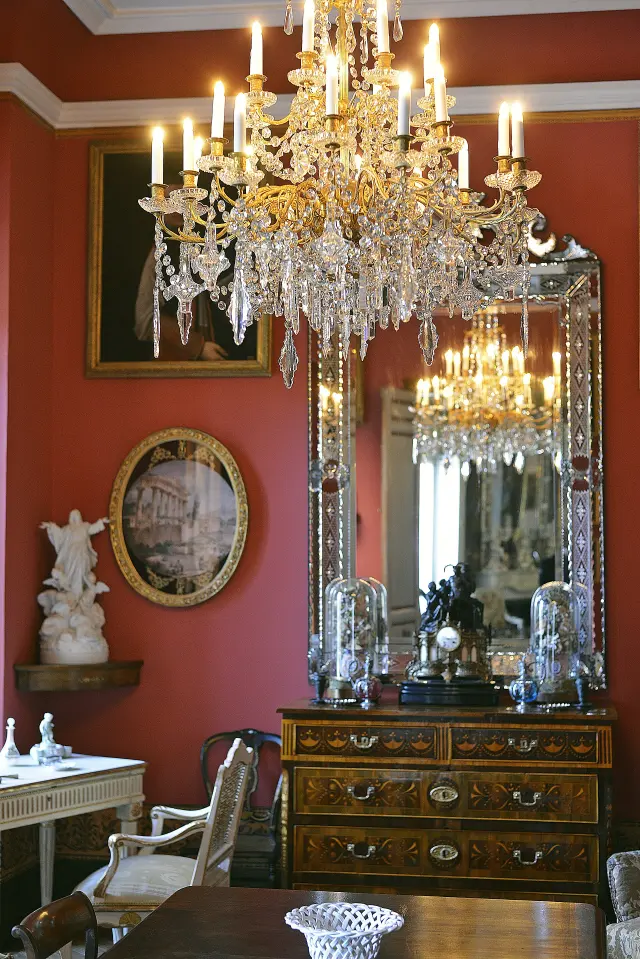
Open storySources on the Cerralbo Museum, the Prado and the National Archaeological Museum show different ways of documenting conservation: project chronologies, collection interventions and institutional records. They also reveal what cannot be concluded without fuller files.
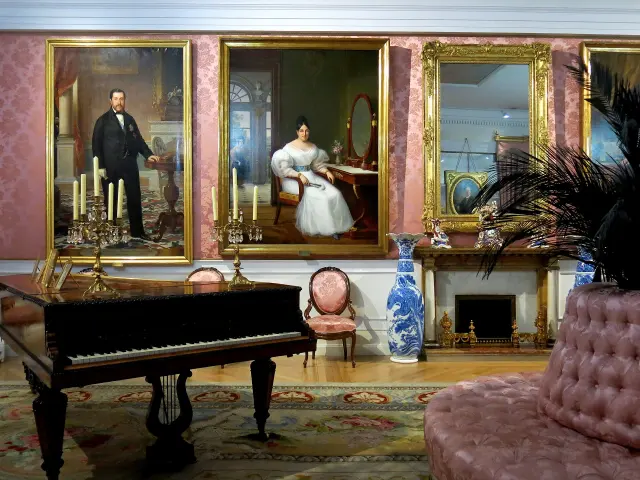
Open storyA cautious reading of documented works at the National Museum of Romanticism and Brazil’s National Historical Museum shows how museum design also shapes the visitor’s experience, while architectural change alone cannot reconstruct the precise appearance of their rooms.
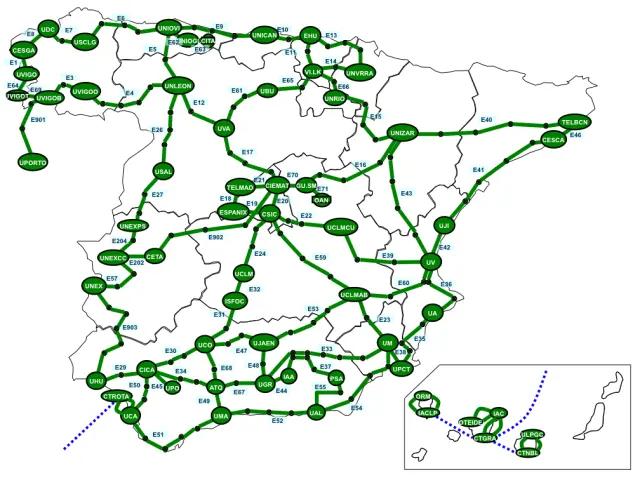
Open storyThe Internet’s history did not begin with the Web. Academic connectivity, shared protocols and email laid the groundwork; in Spain, RedIRIS and the documented early IP connections show a gradual transition, not a single moment of arrival.
Open storyThe available evidence brings together studies on industry, localization, learning and accessibility. Rather than forcing them into a single chronology, it shows which aspects of video games are being studied—and where these sources fall short.
Open storyInstitutional collections show how photographs can document activities and social change—and why context matters as much as the image.
Open story