DATABASE / SEARCH

Explore

Archive of technology, entertainment and everyday life

Analysis · NOW

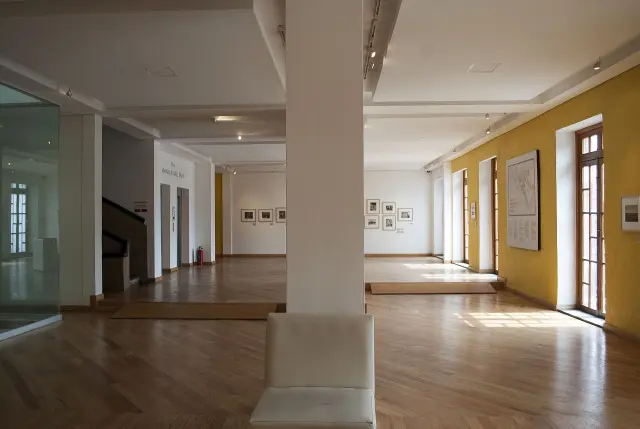
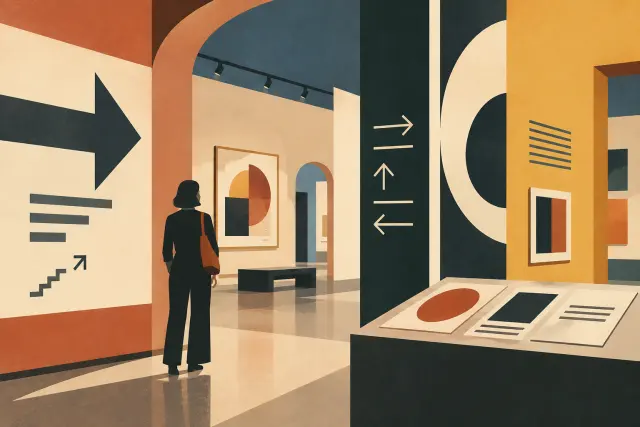
A museum’s identity is designed on its walls, too

A museum’s graphic design is more than decoration or signage: it guides attention, communicates an identity and can contribute to an educational experience. Research on museums in Valencia and guidance on museum archives offer ways to consider what should be documented—and what the available evidence does not establish.

Open story
History · 1990

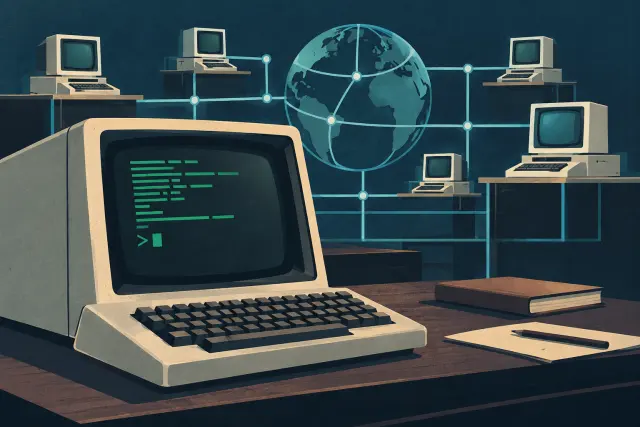
The Internet Before the Browser Window

The Web made the Internet more visible, but it did not create it. Email and other network services already enabled communication and remote access before links and browsers brought the network to a wider audience.

Open story
Analysis · NOW

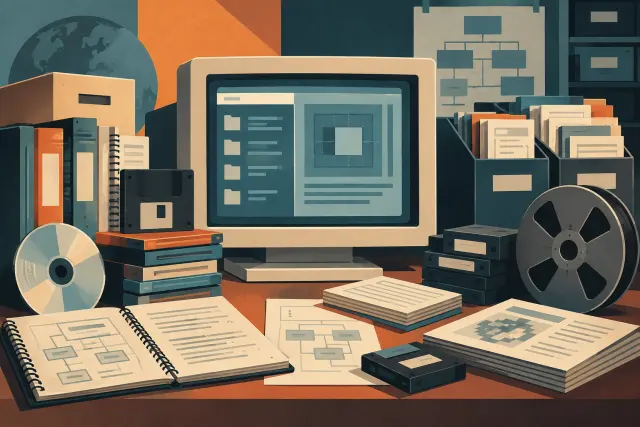
An Old Program Is More Than Its File

Preserving old software means looking beyond its data to include documentation, context of use and the conditions that make it intelligible. Archives and museums offer useful principles, but they cannot replace research into each individual program.

Open story
Analysis · 2000

When a City Sees Itself in Its Photographic Archive

Mexico City’s Museo Archivo de la Fotografía invites us to see an image not only as a visual memory but as a document connected to institutions, places and urban change. Its history also shows why preserving a photograph means safeguarding the information that gives it context.

Open story
Analysis · 1990

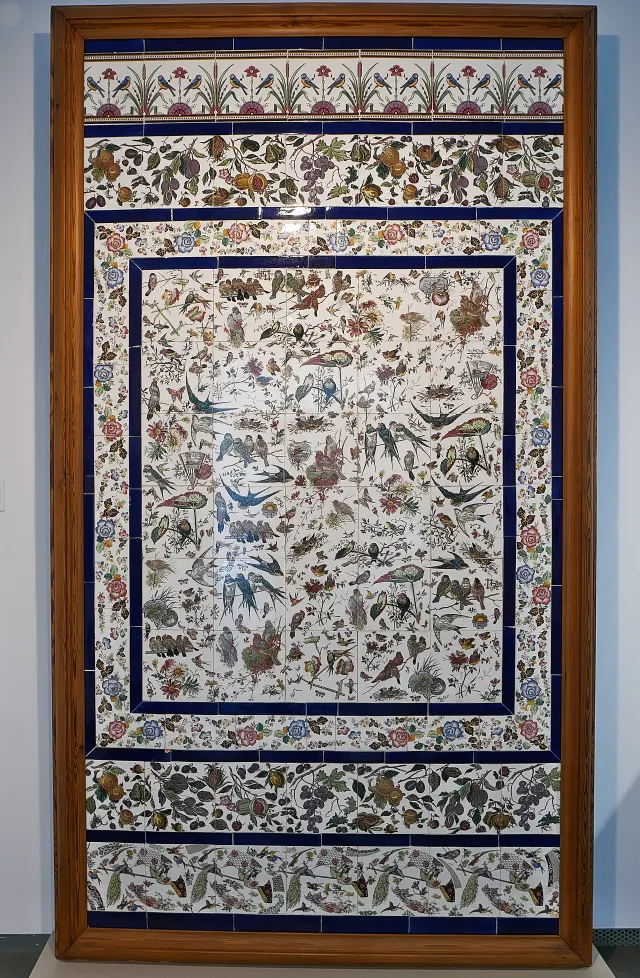
Museum decoration is part of what must be preserved

Caring for a collection is not limited to its objects: it also depends on documentation, accessibility and the conditions of the spaces that house them. Institutional sources help explain what can—and cannot—be said about decoration as part of the museum experience.

Open story
Analysis · NOW

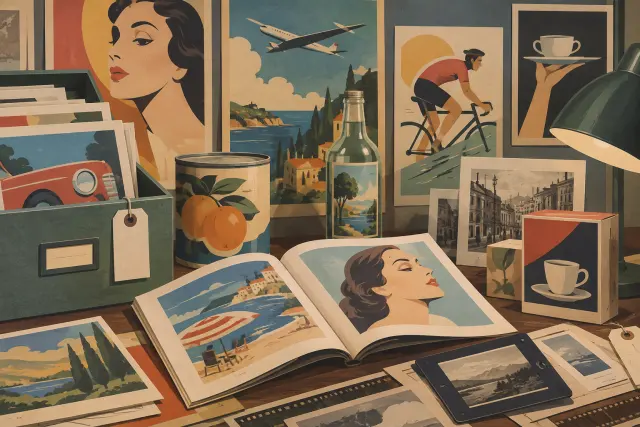
When advertising becomes graphic heritage

Posters, packaging and advertisements do more than promote products: they also record ways of designing and communicating. What archives and museums can tell us about that memory—and where caution is needed.

Open story
Analysis · 1970

History Does Not Simply Appear on Screen

Cinema can help us study the past, but it is not a transparent window: films are also stories shaped in particular moments and contexts. A careful reading distinguishes what they depict from what they can substantiate.

Open story
Analysis · 2000

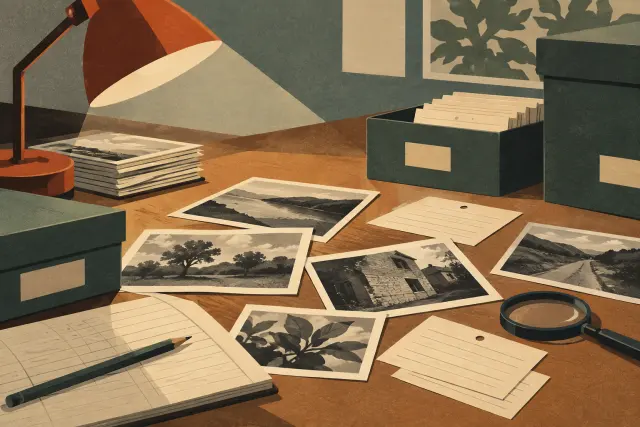
An Archive Photograph Needs Context, Too

An image can tell us about people, places and activities, but its documentary value also depends on knowing who made it, why, and within which collection it survives. Photographic archives become easier to understand when we consider both what was photographed and the circumstances that produced the image.

Open story
Analysis · 1970

The 1970s Didn’t Dress in Just One Way

Seventies fashion is often reduced to disco style, but the available sources also point to experimentation, diversity, and the influence of different musical cultures. A careful reading of the decade begins by recognizing that variety—and the limits of the evidence.

Open story