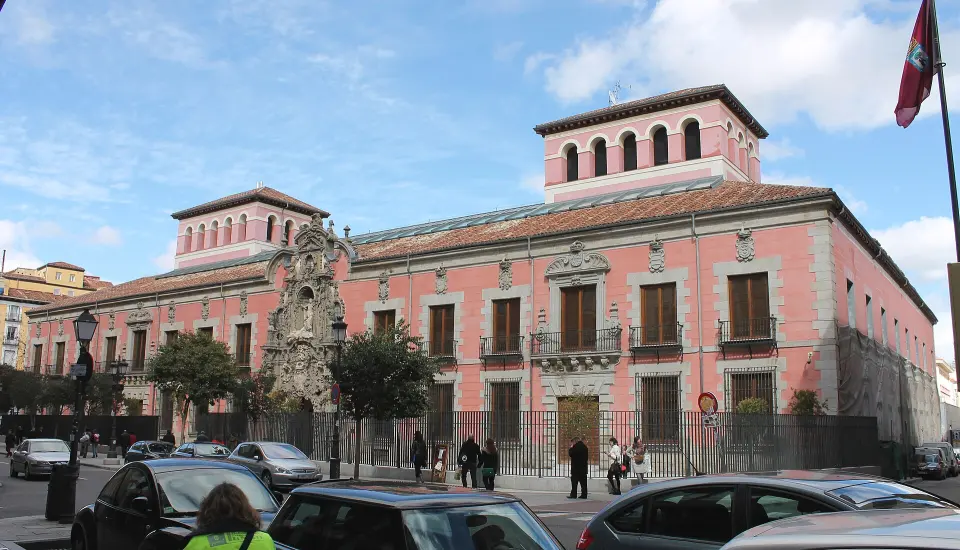
The museum holds a collection of chromolithographed boxes once used as packaging for selling biscuits, sweets and chocolate.
KEY FACTS
- Type
- Museum
- Country or region
- Spain
The museum holds a collection of chromolithographed boxes once used as packaging for selling biscuits, sweets and chocolate.
Analysis of how chromolithographed boxes of biscuits and sweets, preserved in museums such as the Madrid Museum of History, function as documents that separate commercial promotion from domestic practice.
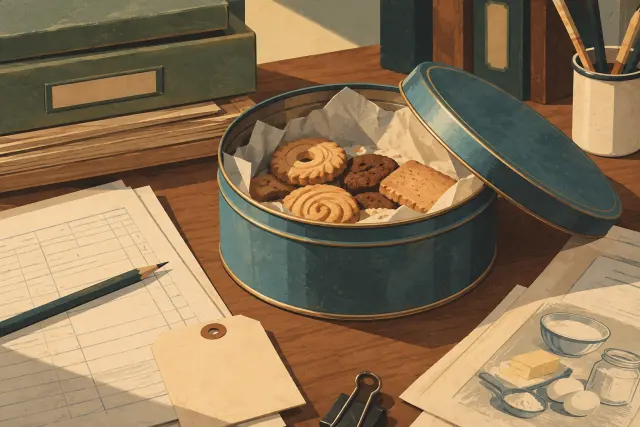
Open storyPreserved tins, food-related archives and projects on the history of eating document different aspects of the table. Reading them together helps separate commercial imagery from what we can actually establish about domestic habits.
Open storyTins, labels, cookbooks and archival documents are different kinds of evidence for studying food. Reading them together helps distinguish commercial presentation from domestic practice without asking any one object to prove more than it can.
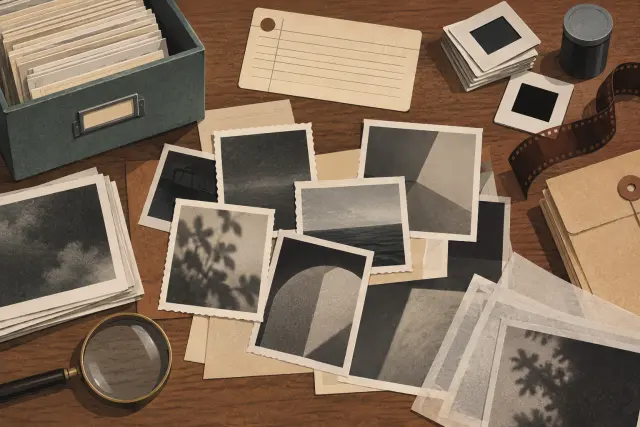
Open storyPhotographic archives make it possible to study images alongside their collections, descriptions and documentary uses. But an image alone does not necessarily reveal its support, process or production context.
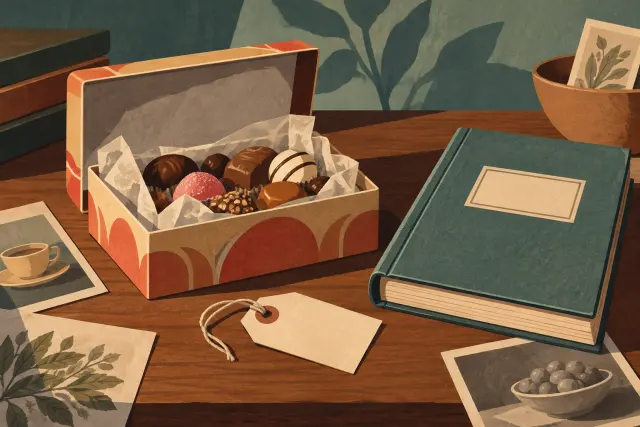
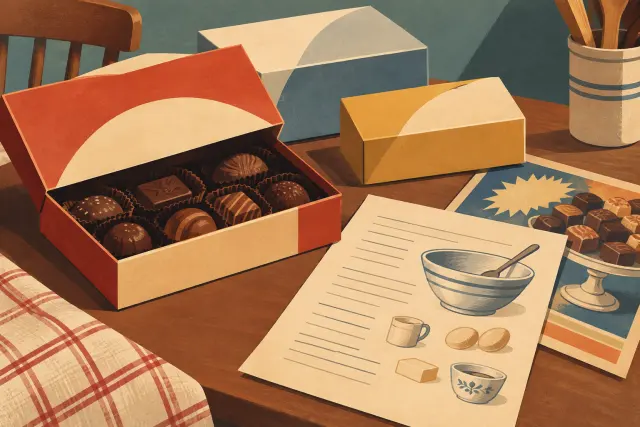
Open storyThe biscuit, sweet and chocolate boxes held by the Museum of the History of Madrid document presentation and sale. To discuss eating habits, they should be compared with cookbooks, social histories and other sources, without mistaking advertising promises for what people ate at home.
Open story