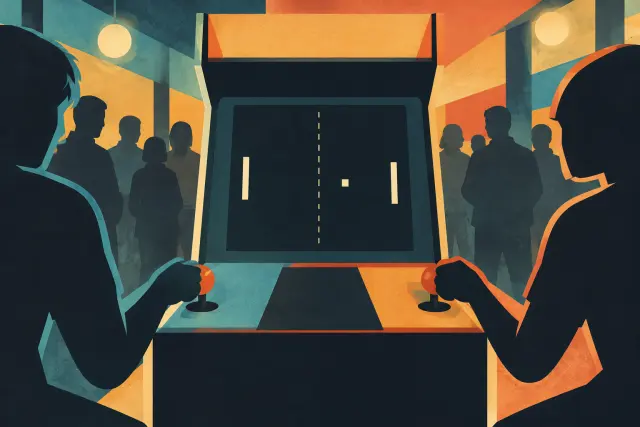
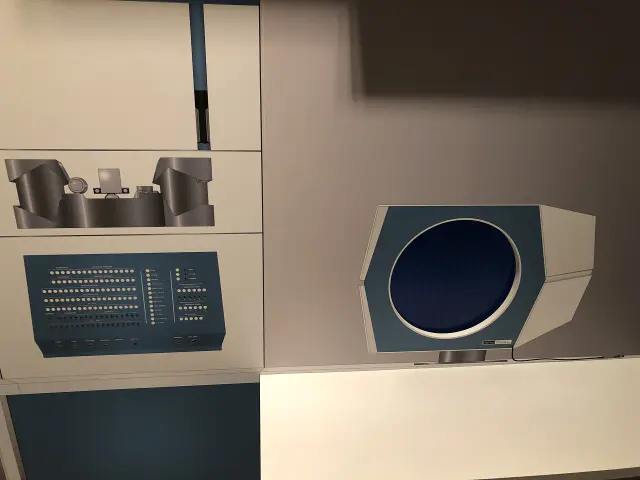
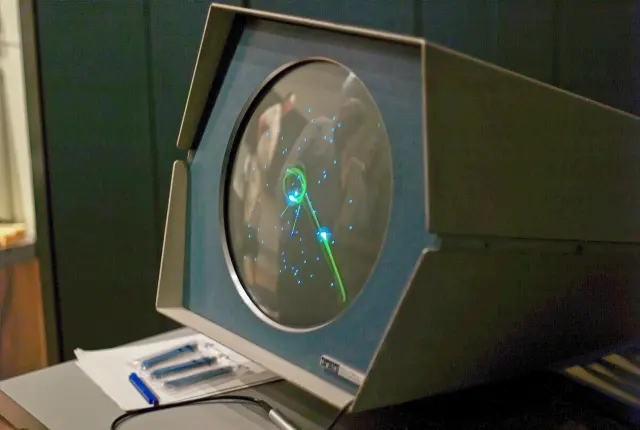
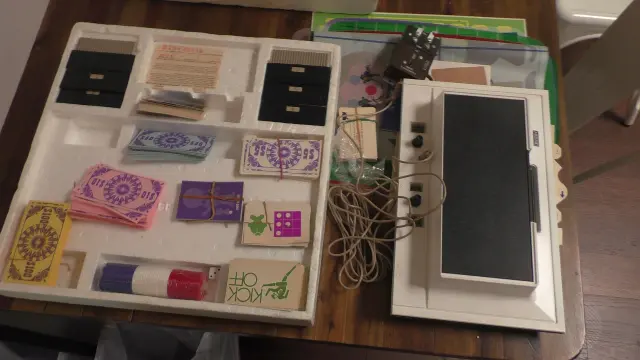
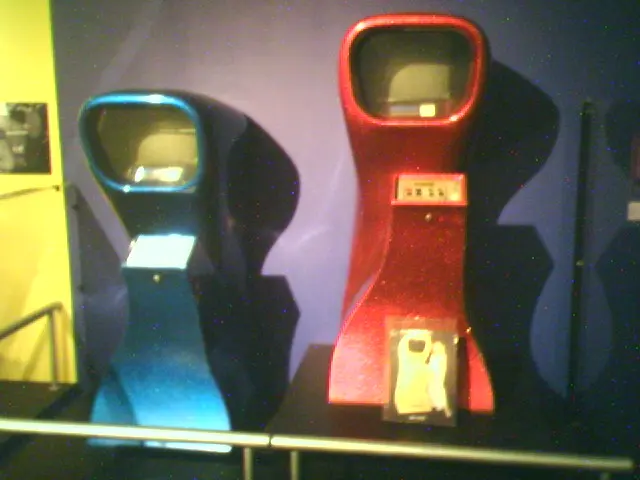
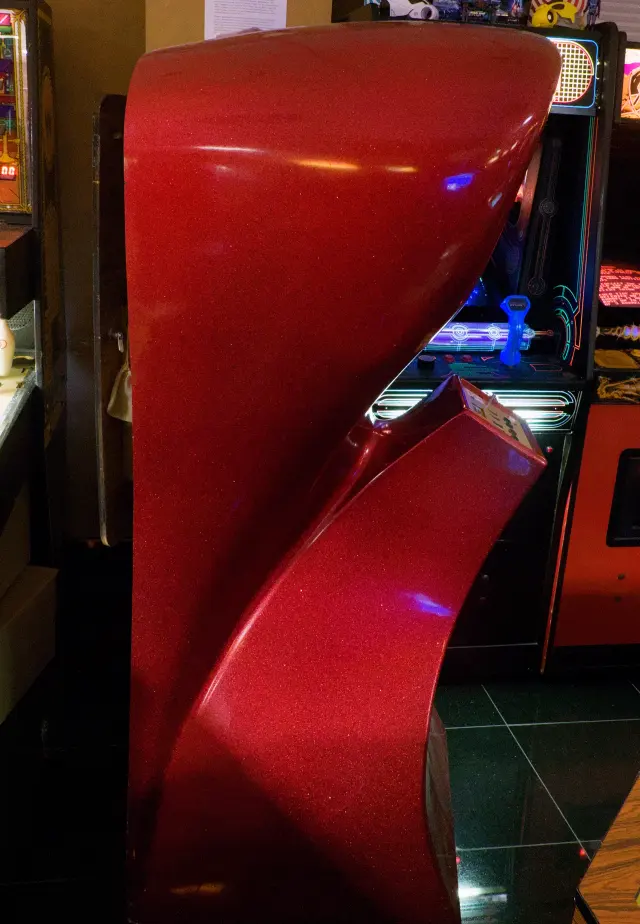
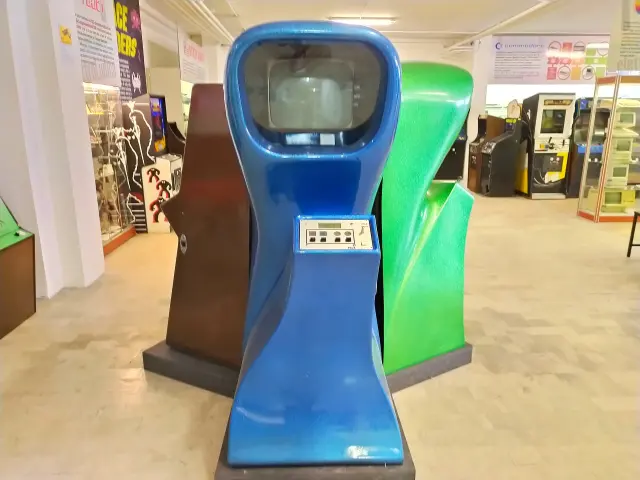
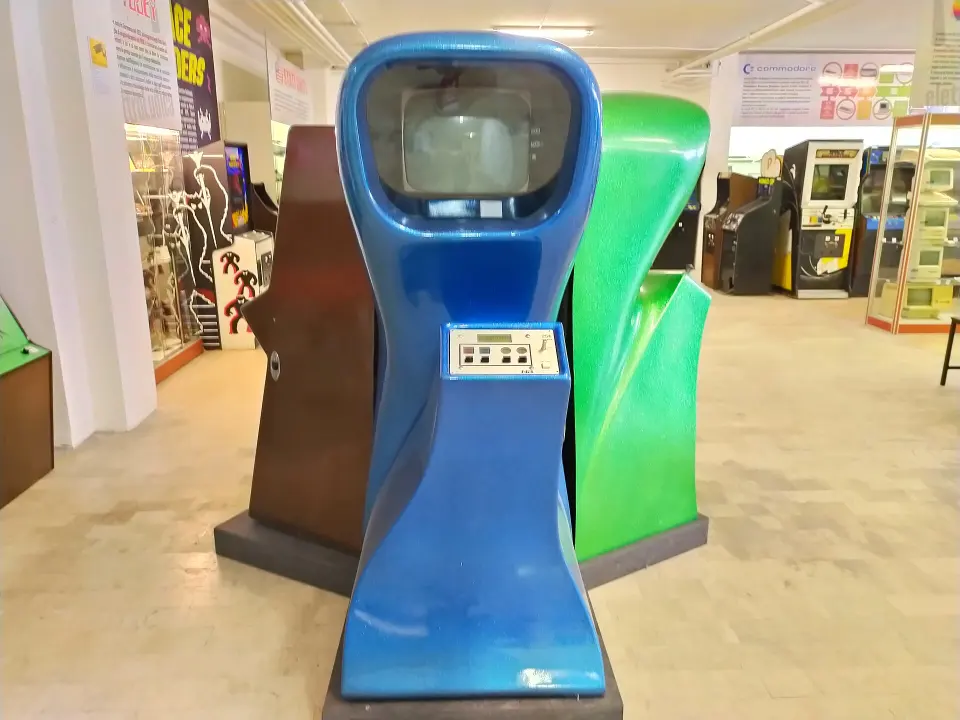
Arcade machine marketed in 1971 by Nolan Bushnell; the evidence describes it as a version of Spacewar!.
Selected excerpts from our archive offer more context on this subject. Each reading links to the original article and its sources.
Computer Space: when Spacewar! reached the arcade
Computer Space holds a recognizable place in accounts of the beginnings of commercial video games: it was an arcade adaptation of Spacewar!, and its launch is dated to 1971. Its importance does not depend on calling it, without qualification, “the first video game.” What matters is the change of format described by the sources: a game associated with a computer was offered on a coin-operated arcade machine.
The history of video games published by the Facultat d’Informàtica de Barcelona at the Universitat Politècnica de Catalunya says that Nolan Bushnell began marketing Computer Space in 1971 and identifies it as a version of Spacewar!. Telefónica specifies a November launch that year and also describes it as an arcade evolution of the earlier game. The sources agree on the relationship between the two titles and the year; the month comes from Telefónica.
The available sources describe Spacewar! as the work adapted, but they do not provide enough detail here to reconstruct how the game was changed or what technical decisions the adaptation involved. It is therefore better not to turn a broadly documented relationship into a detailed account of Computer Space’s design.
The change of setting is significant. The UPC account places Computer Space among the early steps in commercial arcade gaming; Telefónica emphasizes that it operated by inserting coins. One interpretation is that this method of access helped distinguish the product from games associated with computers. That is an interpretation of the described format, not a claim about revenue, distribution, or audience size: the supplied materials give no such figures.
Computer Space and the move to coin-operated games
Video game history is often told as a succession of machines and titles, but the important change is not simply making a game run. Where it is played, who can reach it, and how the experience is sustained also matter. The sources gathered here describe origins connected to programmable computers and games created in settings where access to those machines was limited. In the mid-1970s, computers remained a luxury for many people. That context helps explain why bringing a game to an arcade machine meant more than changing its hardware.
Computer Space is a distinct example of this transition. The Universitat Politècnica de Catalunya describes it as a version of Spacewar! commercialized by Nolan Bushnell in 1971. Telefónica specifies a November launch that year and characterizes it as a video game operated by inserting coins. This evidence supports describing its importance as an early way of turning electronic play into a commercial offering in a public place, without claiming that it was the absolute origin of video games.
Its connection to Spacewar! matters. The sources do not present Computer Space as an isolated idea, but as an arcade adaptation of an earlier game. The UPC overview emphasizes this link, while general histories place early electronic games within a longer trajectory that predates the arcade market. It is therefore useful to distinguish the origins of video games from the development of a commercial way to offer them.
This distinction prevents a striking date from becoming an all-encompassing explanation. The available evidence supports Computer Space’s commercialization in 1971 and its connection to Spacewar!, but does not justify reducing every earlier or contemporary experience to a single machine. The milestone works better as an entry point into gradual change: from games tied to computers and limited-access communities to the possibility of finding a game in a public venue.
KEY FACTS
- Type
- Arcade machine
- Year
- 1971
- Country or region
- United States
References
- Historia de los videojuegosfib.upc.edu
- La Historia de los Videojuegos - educahistoriaeducahistoria.com