https://deskthority.net/wiki/User:Snuci · Wikimedia Commons · CC0 · CC0
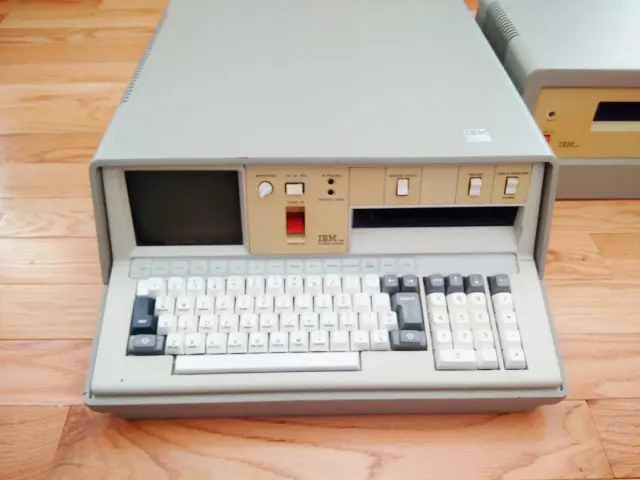
In 1975, IBM brought a display, keyboard and magnetic tape together in a machine weighing about 23 kilograms. The 5100 could take computing power to the workplace, but its price and size kept it in the professional sphere.
Read article ↗
Editorial team illustration · RetroPause
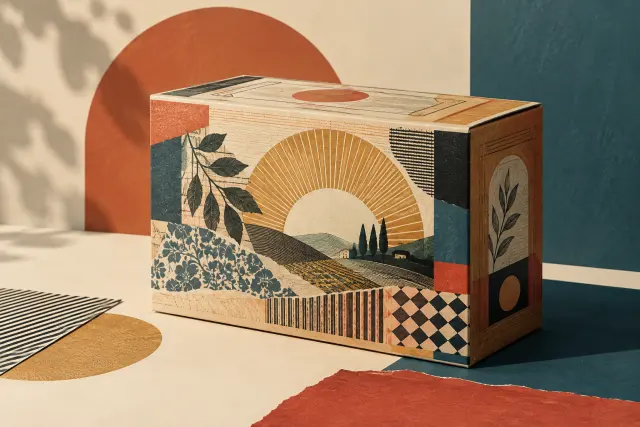
Packaging can suggest craftsmanship and age without having a history to support those impressions. Research by Celhay, Magnier and Schoormans identifies the devices of neo-retro design and examines the associations they evoke, distinguishing visual suggestion from verifiable authenticity.
Read article ↗

Editorial team illustration · RetroPause
Television aired as a continuous flow, yet its archives often preserve isolated items. Drawing on Argentina’s Historical Radio and Television Archive, historian Elina Adduci Spina shows how tape reuse, selection decisions and deteriorating carriers shape what can be remembered about the medium.
Read article ↗
Editorial team illustration · RetroPause
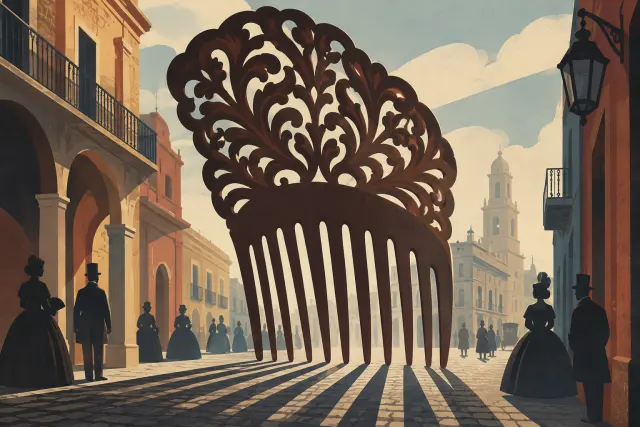
In Buenos Aires and Montevideo, the oversized ornamental comb was more than an accessory: its shape, cost and presence in the street made debates about fashion, class, gender and identity visible in the 1820s and 1830s.
Read article ↗
Editorial team illustration · RetroPause
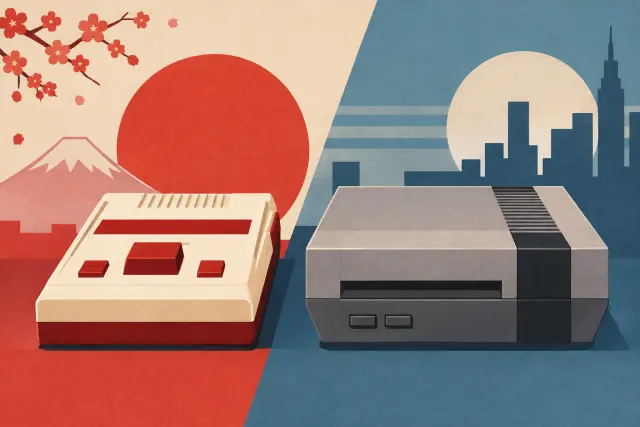
The Famicom and NES shared a platform, but their casings, controllers, cartridges and marketing language reflected different contexts. The North American redesign shows how Nintendo made the console’s physical form part of its strategy for introducing a home system after the 1983 video-game crash.
Read article ↗

Editorial team illustration · RetroPause
Denim coexisted with boho, sportswear and more structured silhouettes as magazines, television and the internet sped up the circulation of images. A look at emblematic garments, designer collaborations and the distance between media trends and everyday dress.
Read article ↗
Editorial team illustration · RetroPause
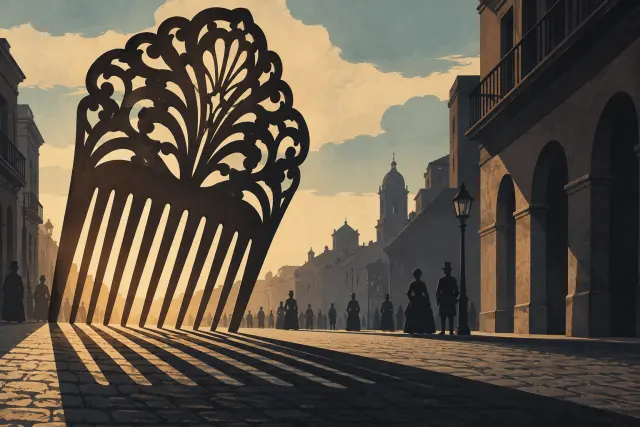
In Buenos Aires and Montevideo, the peinetón turned a European-derived comb into a striking local fashion. Portraits, lithographs and contemporary accounts trace its making and use, as well as debates about status, politics and women’s presence in the streets during the 1830s.
Read article ↗

Game Informer Magazine; historical2009–2021 logo, Wikimedia Commons PD-text; trademark rights remain. https://commons.wikimedia.org/wiki/File:Game_Informer_logo_(2009-2021).png · Public domain
Game Informer’s news, reviews, previews, interviews, and features do different jobs and call for different kinds of reading. Understanding each format, medium, and claim’s provenance helps separate information from interpretation and opinion; DiGRA’s research provides a complementary academic context.
Read article ↗

Editorial team illustration · RetroPause
In some games, finding and connecting documents is part of the action; in others, cultural collections inspire projects designed to bring them closer to an audience. The distinction shows how rules for searching and access can tell stories about knowledge and memory too.
Read article ↗
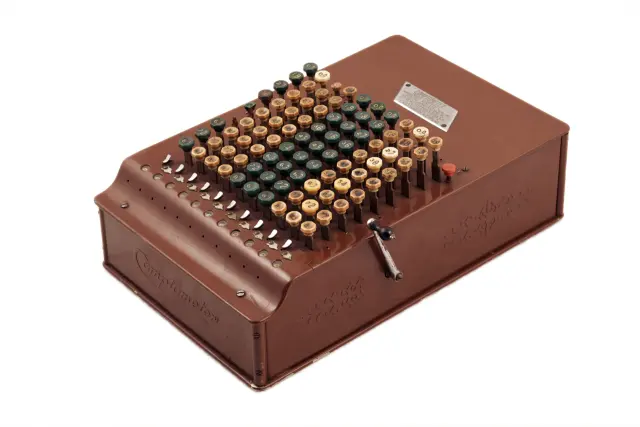
Felt & Tarrant Manufacturing Company (costruttore), Felt Dorr E. (progettista) · Wikimedia Commons · CC BY-SA 4.0 · CC BY-SA 4.0
Patented by Dorr E. Felt in 1887, the Comptometer turned each keystroke into an operation on its accumulator. Its keyboard could take several digits at once, but speed also depended on the skill of the person using it.
Read article ↗
This is the preserved newsletter snapshot. Linked articles may receive subsequent corrections.