A computer that could move between workplaces
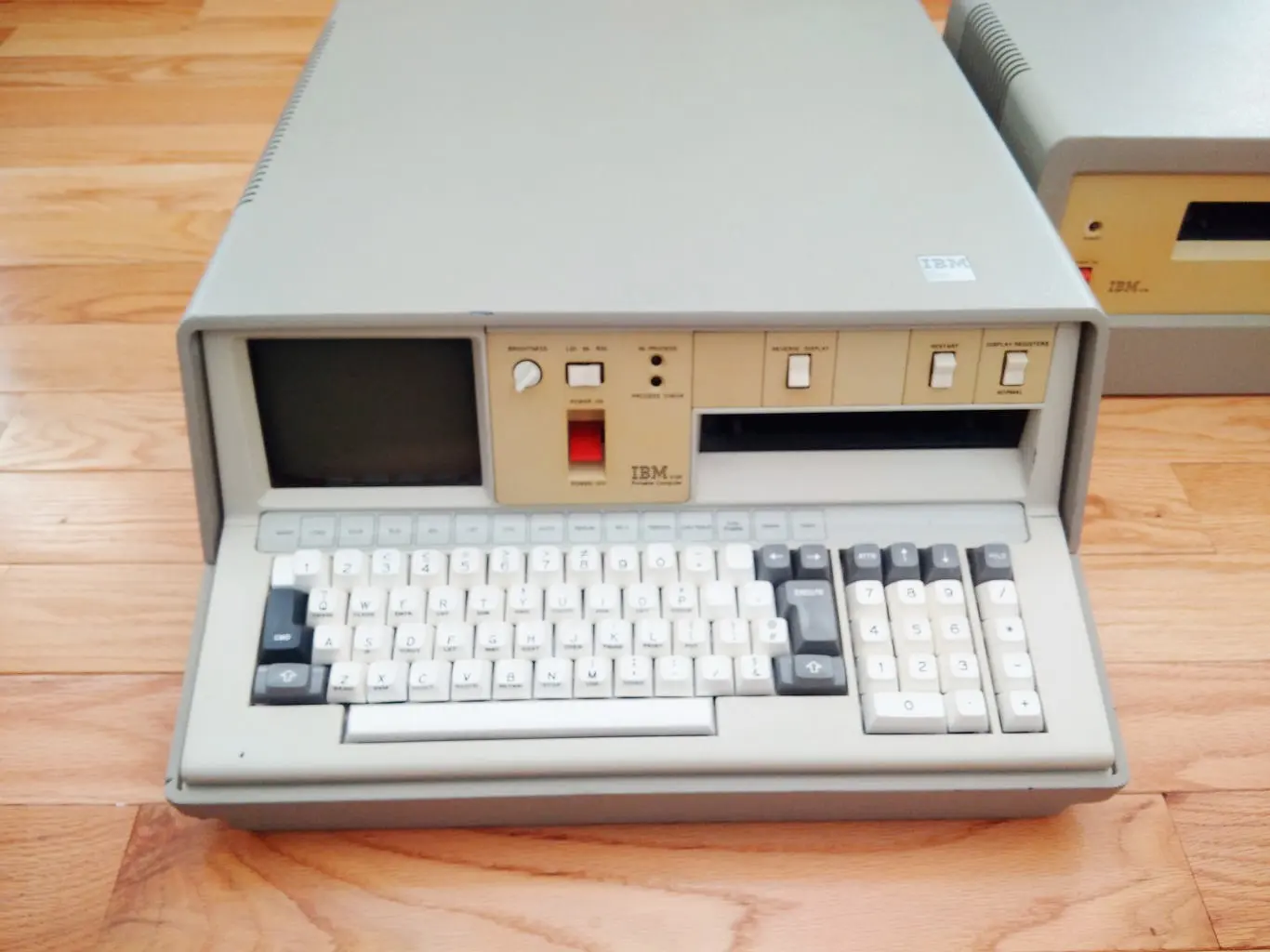
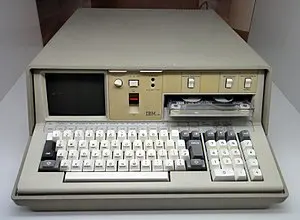
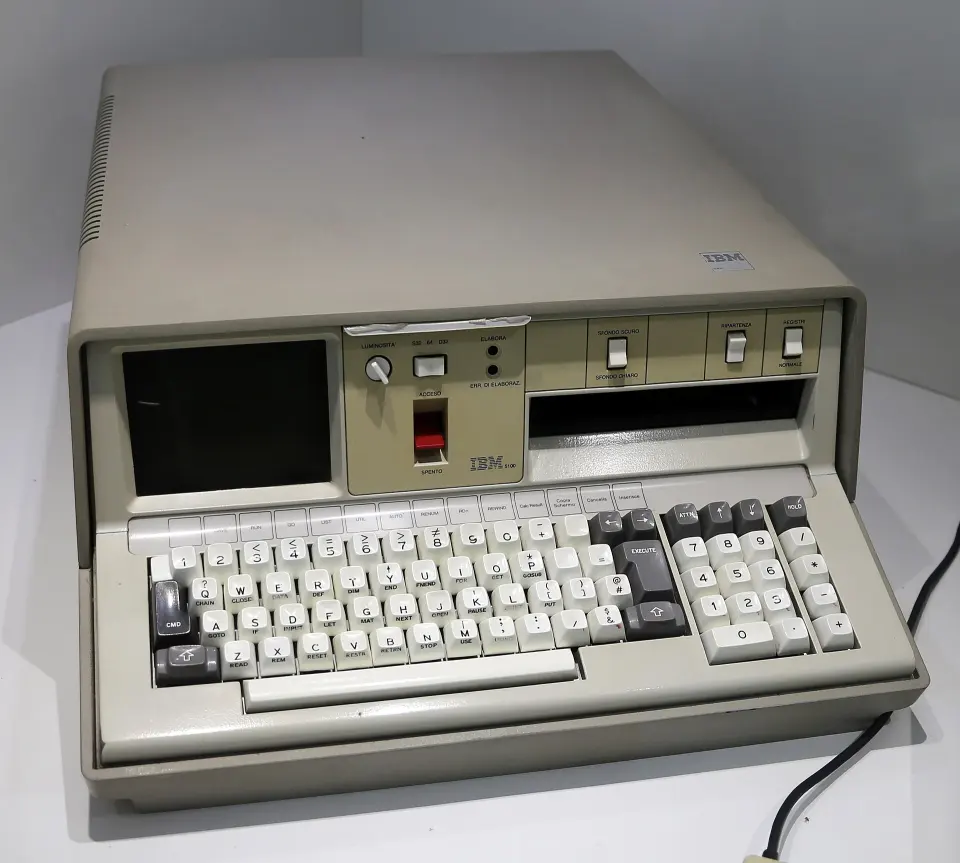
Introduced in September 1975, the IBM 5100 brought a keyboard, a five-inch CRT display and a magnetic-tape drive together in one case. It weighed about 22.6 kilograms. “Portable” therefore meant something quite different from what it means today: the machine could be moved between work locations, but it was not designed for comfortable everyday carrying.
Its defining feature was integration. Instead of installing a console, display and storage devices separately in a fixed setup, users could work directly on the 5100 and save or retrieve data and programs on tape. Computing could be brought closer to the place where it was needed without requiring a dedicated computer room. That did not make it an affordable home technology, however.
From central installations to local work
In the 1970s, many organisations relied on central systems or shared minicomputers. IBM presented the 5100 to professionals and organisations that needed computing capacity in their own work environment, including engineers, analysts and statisticians. The machine did not replace central computing; it offered another option: a self-contained system at the point of work that, with the appropriate accessories, could communicate with remote systems.
Depending on configuration, the 5100 offered APL, BASIC or both. The languages served different kinds of work: APL provided tools for calculation and data manipulation, while BASIC could be more familiar for other programming tasks. Users did not need to buy a separate machine for each language.
The computer could also connect to an external monitor. IBM offered a communications adapter intended to link the 5100 to remote systems, allowing it to form part of a wider workflow rather than operate only in isolation. This communications option should not be confused with Internet access: it connected computing systems in an era before the public Internet.
Emulation with a defined scope
One of the 5100’s most striking features was its microcode emulation. Accounts of the machine associate this capability with IBM systems such as the System/370 and System/3. But emulation did not mean that the 5100 could run any program written for those systems without restriction. It was a specific feature, not universal compatibility with IBM’s larger computers.
That distinction matters because the 5100 was not simply a mainframe in miniature. Its value lay in combining local autonomy and connection options with programming and computing capabilities suited to particular tasks. Its relationship to larger installations was more nuanced than direct replacement: it could bring some work closer to the user while retaining links to computing resources elsewhere.
Professional portability, not a home computer
Weight and price set the limits of this mobility. At more than twenty kilograms, the 5100 could be moved between sites or set up where work needed to be done, but it did not offer the everyday freedom of a modern laptop. Its price varied with memory and language configuration; figures cited in the sources range from about $8,975 to $19,975 at the time, placing it firmly in the professional market.
The IBM 5100 therefore occupies a distinctive place in the history of personal computing. It was neither the beginning of mass-market home computing nor a lightweight laptop ahead of its time. Its contribution was to bring a display, keyboard, local storage and programmable computing capacity together in a transportable system, taking computing into certain workplaces. The design anticipated an aspiration that would later become far more common, while its price and weight show how far computing still was from everyday life in most homes in 1975.
Documentary gallery
- Decade
- 1970s
- Region
- North America
- Level
- Enthusiast
- Entities
- Internet, IBM 5100
Sources and references 5
- Historia de IBMtranslate.google.com · 2026-11-16
- IBM 5100es.linkedin.com · 2026-11-16
- IBMsolaris525.wordpress.com · 2026-11-16
- Timeline: la evolucion de internetwww.timetoast.com · 2026-11-16
- Historia de IBMes.wikipedia.org · 2026-11-16