Editorial team illustration · RetroPause
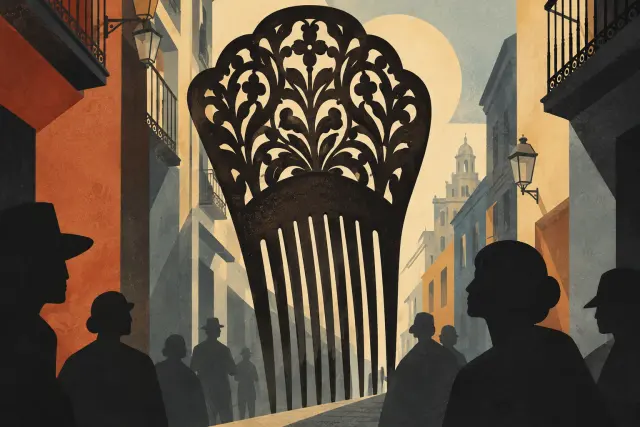
In Buenos Aires and Montevideo, the peinetón turned an enormous comb into a contested urban presence. Its history connects craft, consumption, politics and debates over women’s visibility in public space.
Read article ↗
Editorial team illustration · RetroPause
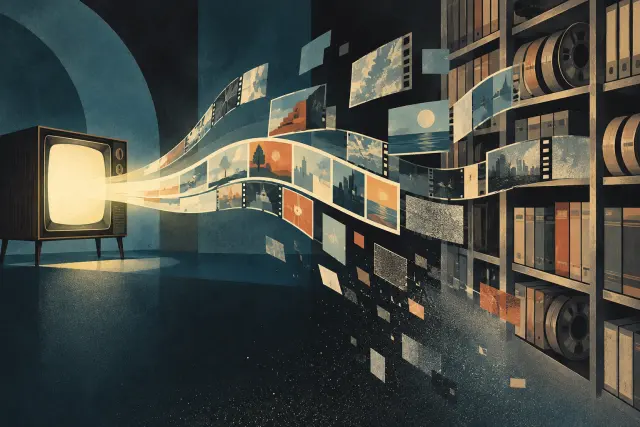
A broadcast was more than the sum of its programmes: advertisements, transitions and context made up a flow that is difficult to preserve. Cases from Argentina and Colombia show how technology, archival choices and preservation conditions shape what can be known about television history.
Read article ↗
Editorial team illustration · RetroPause
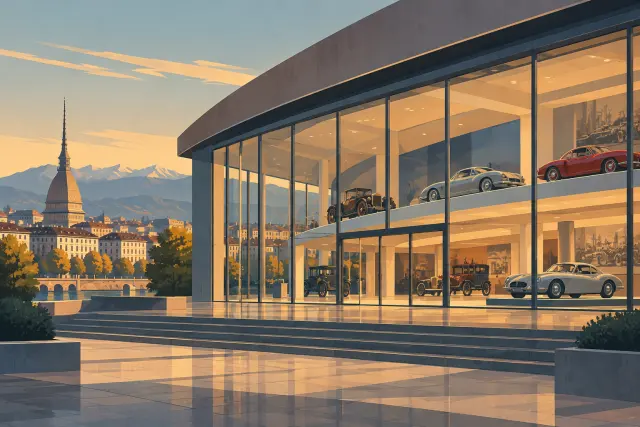
Turin's National Automobile Museum does not merely display cars: it builds its narrative through documents, social contexts and conservation practices that link technology with twentieth-century life.
Read article ↗
Editorial team illustration · RetroPause
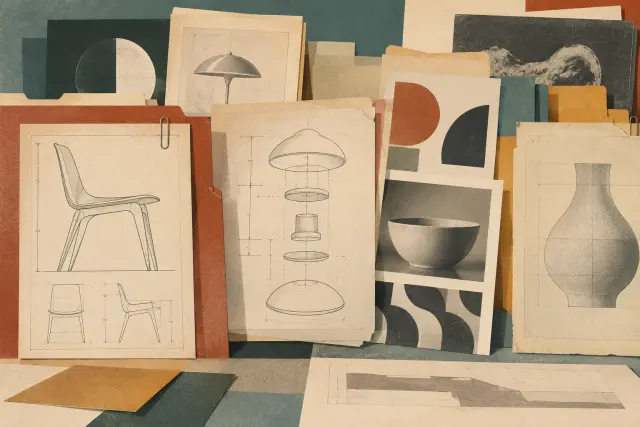
Sketches, posters and other records help reconstruct how objects and performances were designed and circulated. The Valencian design archive and the advertising collection associated with ventriloquists Balder and Sanz show why cataloguing and preservation also shape cultural memory.
Read article ↗
Editorial team illustration · RetroPause
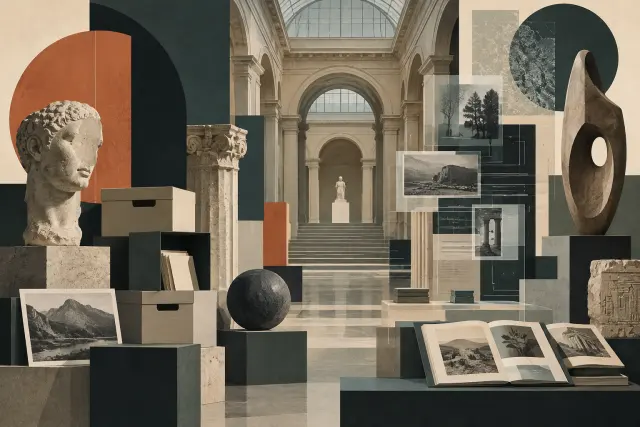
How can museums preserve recent materials without separating them from the conditions that give them meaning? Research on contemporary art collections, storage spaces, digital archives and sustainability shows why preservation must account for objects as well as their social, institutional and material contexts.
Read article ↗
Editorial team illustration · RetroPause
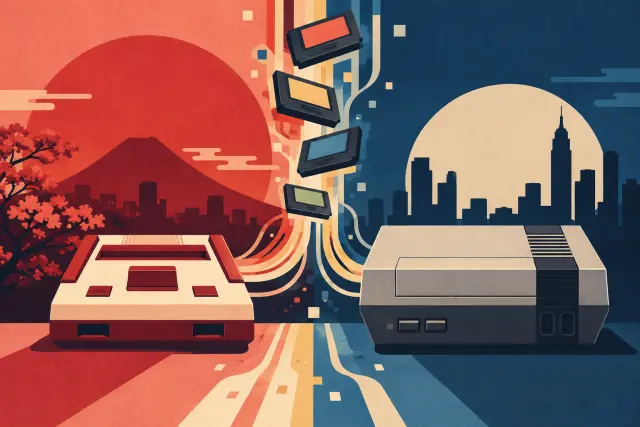
The Famicom and NES belonged to the same hardware lineage, yet their shells, controllers and cartridges reflected different contexts. Their differences show how physical design and commercial strategy shaped two regional versions of one platform.
Read article ↗
José María Pérez Nuñez · Wikimedia Commons · CC BY-SA 2.0 · CC BY-SA 2.0
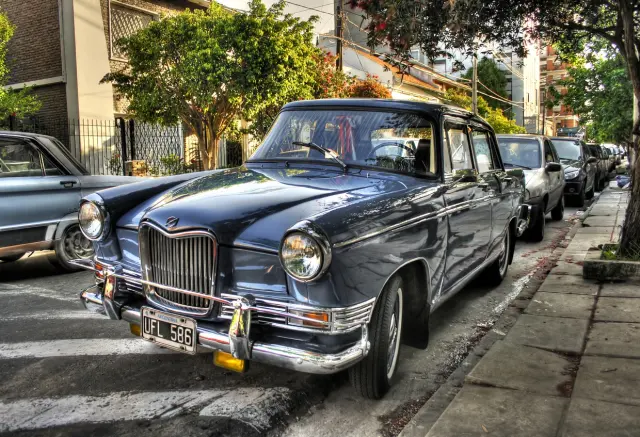
Built by SIAM under BMC licence from 1960, the Di Tella 1500 joined a British platform to Argentine industrial ambition. Its rapid expansion, prominence as a taxi, and eventual transfer to IKA reveal both the reach and the strains of the venture.
Read article ↗

Editorial team illustration · RetroPause
Television aired as a flow of programmes, adverts and continuity, yet archives often preserve isolated fragments. Cases from Argentina and Colombia show how technology, broadcasters’ decisions and heritage choices shape what can be reconstructed about the screen and its context.
Read article ↗
Editorial team illustration · RetroPause
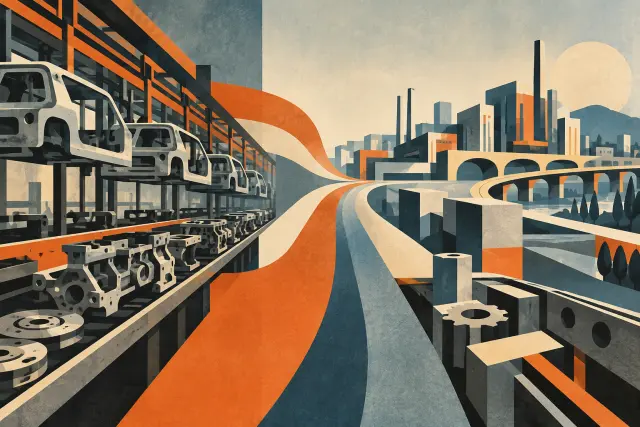
Founded in 1950 with the state as majority shareholder and Fiat as its technical partner, SEAT was created to expand car manufacturing in Spain. The 600 broadened access to motoring; later, the break with Fiat, Volkswagen’s arrival and the gradual shift from Zona Franca to Martorell reshaped the company without erasing its industrial roots in Barcelona.
Read article ↗

Editorial team illustration · RetroPause
Tamagotchi, stickers and purikura can prompt memories—or feel entirely new. Reissues preserve recognisable forms and gestures, but also change how objects are used, accessed and shared, and who discovers them.
Read article ↗
This is the preserved newsletter snapshot. Linked articles may receive subsequent corrections.