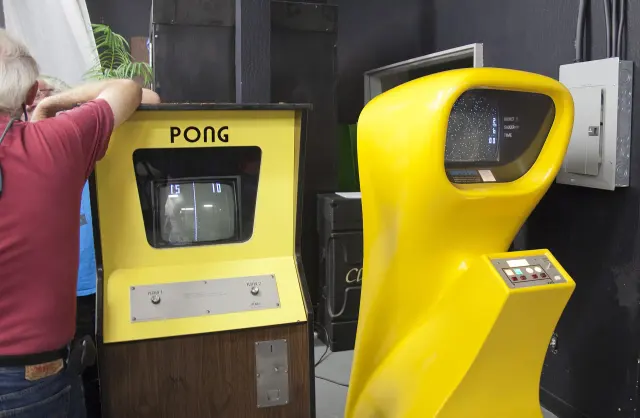
 ARCADE MACHINE
Prelude to the Commercial Arcade
Label placing Computer Space, marketed in 1971, as a version of Spacewar! according to the source.
OPEN RECORD →Arcade cabinets · pinball · neon
ARCADE MACHINELabel placing Computer Space, marketed in 1971, as a version of Spacewar! according to the source.
OPEN RECORD →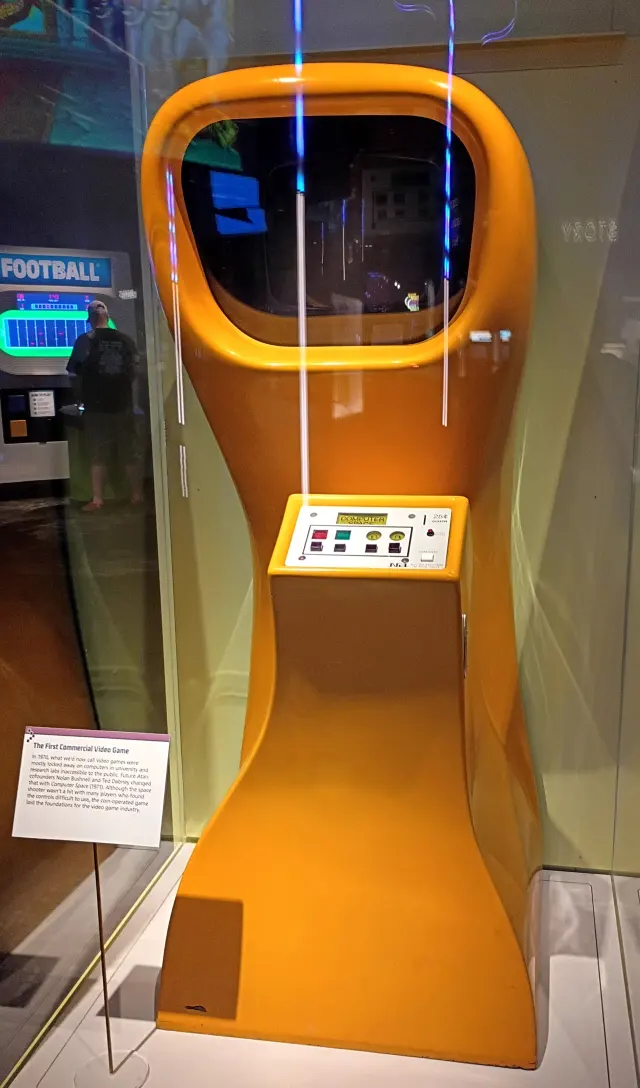 ARCADE MACHINE
A proposal to present Computer Space as an early example of a video game commercialized in 1971. The available source describes it as a version of Spacewar; it provides no further technical details or information about surviving examples.
OPEN RECORD →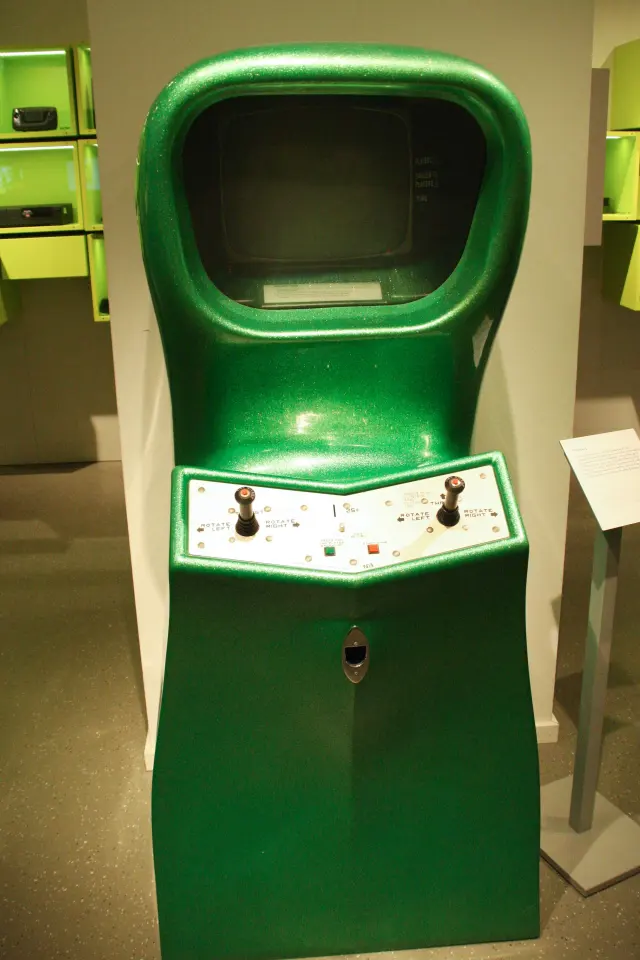 ARCADE MACHINE
Computer Space, an example of a video game whose commercialization began in 1971. The evidence supports that date but provides no details about a surviving machine, its configuration, or its provenance.
OPEN RECORD →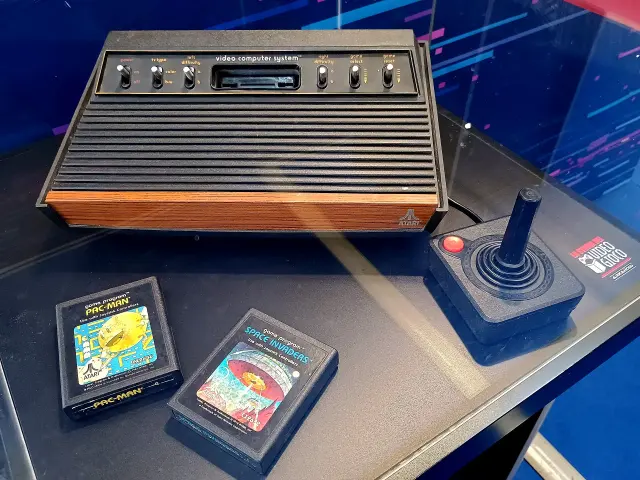 CONSOLE
An exhibit proposal featuring the Atari 2600 within a survey of video-game console generations. The console could be presented alongside cartridges as part of the technological shift described for the second generation, without assigning the object a specific configuration or provenance not documented by the sources.
OPEN RECORD →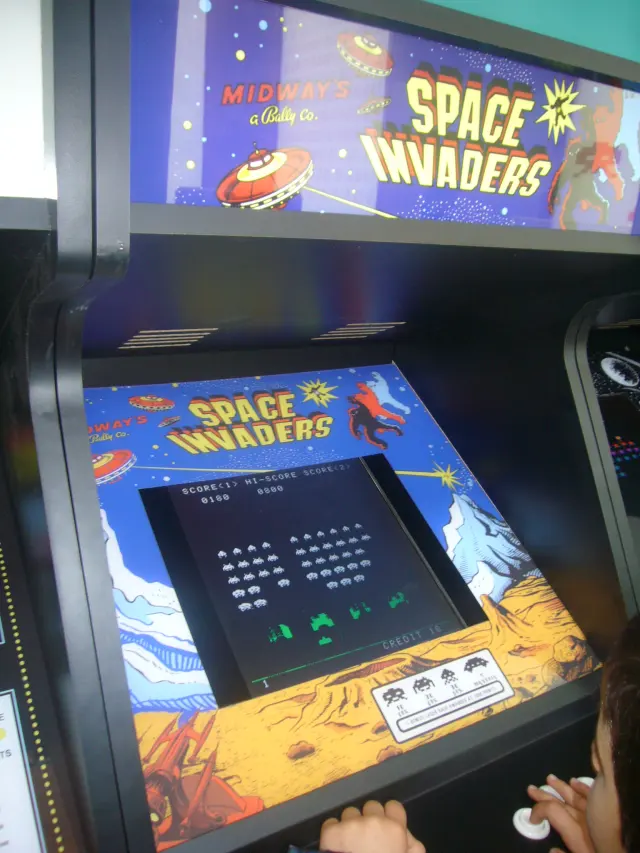 VIDEO GAME
Space Invaders, a 1978 arcade game. The available evidence also mentions its shift from invasion to competition, but does not provide enough detail to describe specific rules or arcade practices.
OPEN RECORD →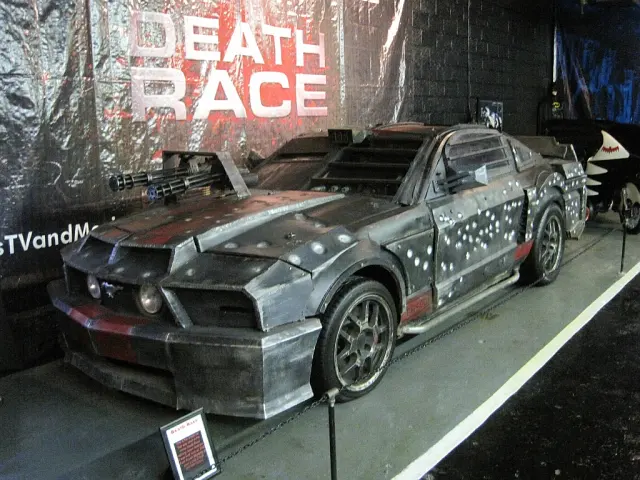 ARCADE MACHINE
A proposed exhibit item for contextualizing a 1976 arcade game and the public attention its content attracted. The source documents the distributor shipment and subsequent controversy; it does not provide enough information to reconstruct the machine’s distribution or presence in specific arcades.
OPEN RECORD →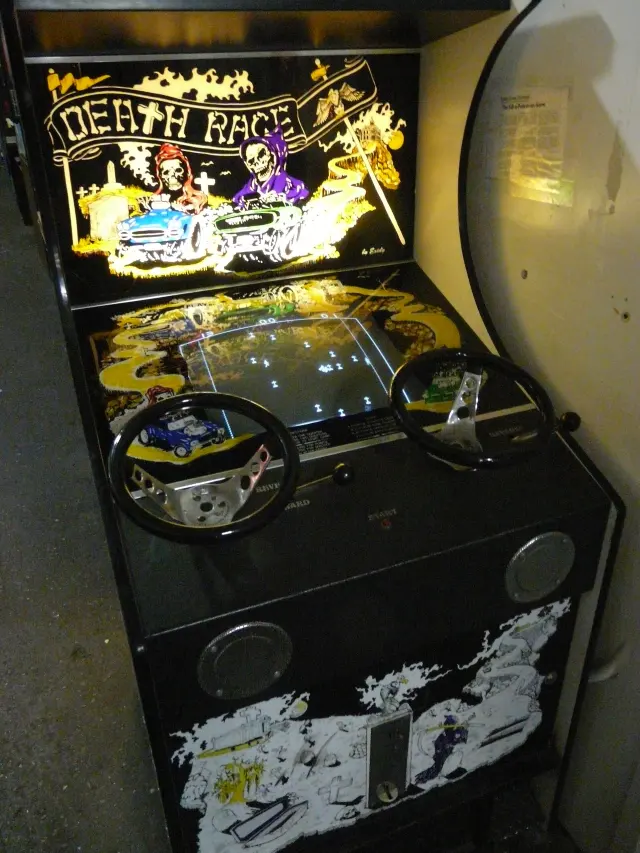 ARCADE MACHINE
Exhibition of the 1976 Death Race machine, highlighting its role in the history of arcade culture and the first social reactions to violence in video games.
OPEN RECORD →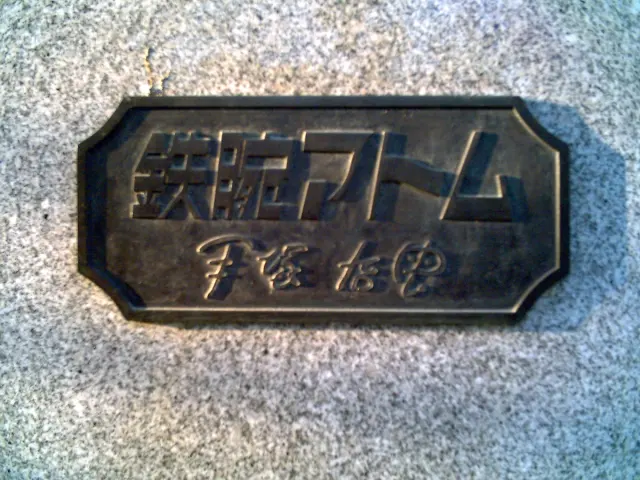 ANIMATION
Exhibition of production materials and historical context of Astro Boy (1963), highlighting its role in founding the anime industry and its impact on Japanese animation.
OPEN RECORD →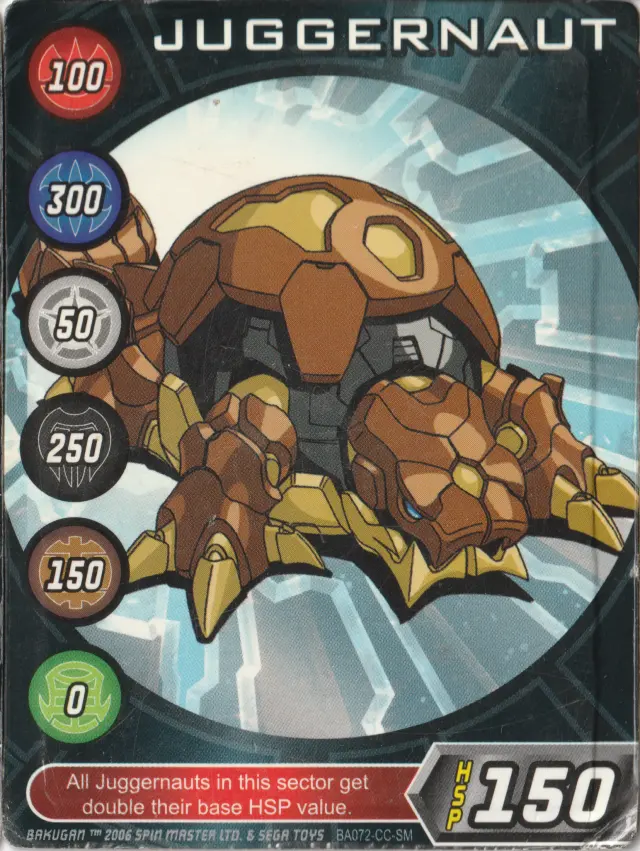 SERIES
Exhibition centered on the television series Bakugan Battle Brawlers, illustrating the convergence between television animation and consumer products in the 2000s. It highlights the 2007 premiere on TV Tokyo and the joint production by TMS and Nelvana, showing how the action-adventure narrative was linked to the physical game of transforming figures.
OPEN RECORD → FOOD PRODUCT
Interactive exhibit showcasing the history and preparation of Welsh rarebit, with guided tastings for visitors.
OPEN RECORD →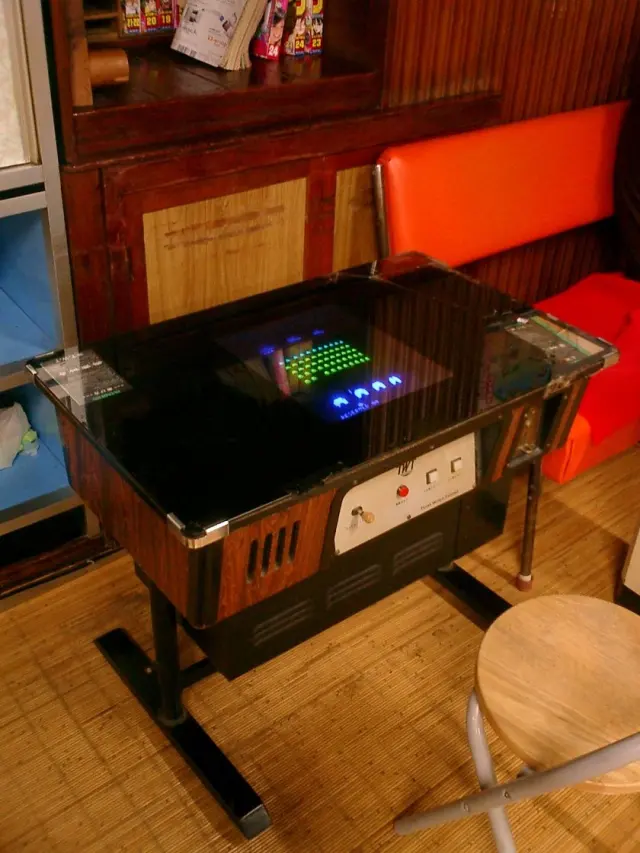 VIDEO GAME
A Space Invaders cabinet can show how enemy waves, limited lives and scoring structured an arcade session, and how the screen became a public place to replay and compare results. Released by Taito in 1978, the game offers a specific way to explain the relationship between rules, machine and arcade venue.
OPEN RECORD →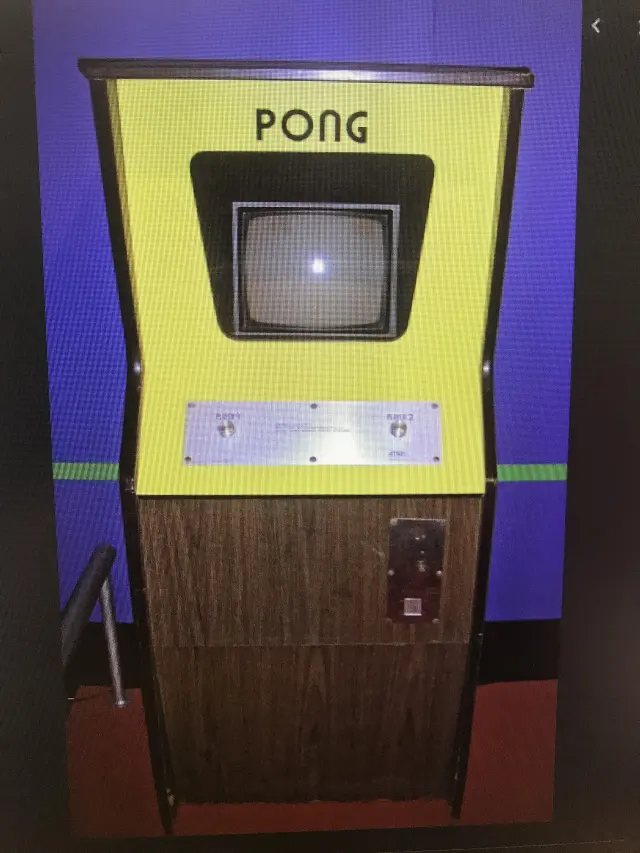 ARCADE MACHINE
A Pong machine can show how its two vertical paddles and moving ball turn simple controls into a shared duel. The short match, played standing up in a public space, makes the links between cabinet design, turn-taking and the presence of other players tangible.
OPEN RECORD → VEHICLE
Exhibition of the 1969 Honda CB750 Four, highlighting its inline-four engine and its role in defining the superbike category.
OPEN RECORD →