Analysis · NOW
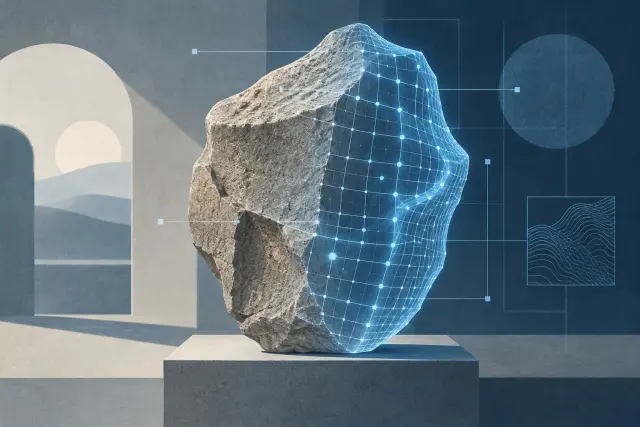
Beyond the object: the digital layer in conservation
Digitization does not replace physical heritage but adds an information layer requiring continuous maintenance, redefining cultural access.
Open storyArchive of technology, entertainment and everyday life
Digitization does not replace physical heritage but adds an information layer requiring continuous maintenance, redefining cultural access.
Open storyProduct photography has a role before launch day, supplying press releases, online stores and advertising. Licensing platforms form a separate stage from image capture, and their presence alone does not establish commercial results.
Open storyMagazines, fanzines and albums are not passive containers. This analysis examines how physical format defines access and preservation for a medium born to be ephemeral.
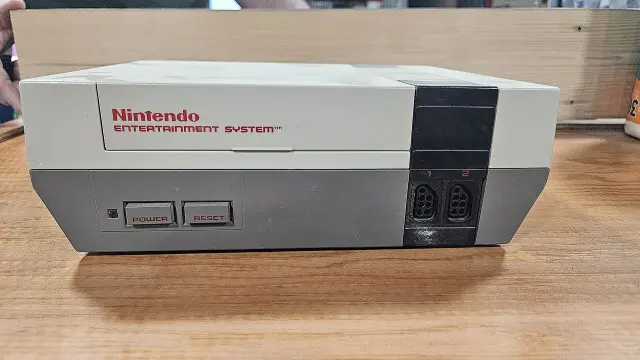
Open storyIt analyzes how Nintendo's policies and specialized museums manage the physical and digital integrity of the NES, transforming a commercial device into verifiable cultural heritage.
Open storyIn a museum, a car can be read beyond its design and mechanics—as evidence of the society that made and used it. The available sources also show where that interpretation must remain cautious.
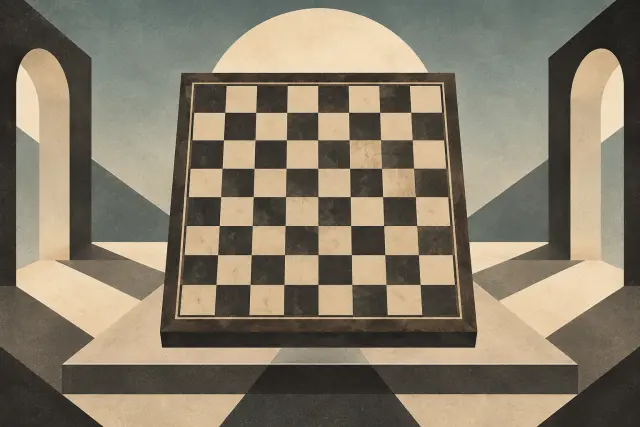
Open storyThe 64-square board is not an aesthetic choice but the result of historical standardization connecting 6th-century India with 15th-century Europe. This article analyzes how the fixed 8x8 geometry allowed for changing rules to coexist and consolidated chess as a universal cultural object.
Open storyThe launch of the 5150 model in 1981 did not just introduce a new processor, but defined a connectivity standard that transformed the relationship between the home user and technology.
Open storyBetween 1970 and 1990, the consolidation of video forced a rethinking of photography not as a static record, but as a specific way of managing duration. This analysis examines how the materiality of film and magnetic tape determined the viewer's temporal experience, using cases such as US street photography and Valencian exhibition spaces as reference points.
Open storyThe shift from the dark theater to the domestic television transformed the perception of Disney's 1937 film. We analyze how the materiality of the medium altered the cultural hierarchy and reception of a work that went from being an ephemeral event to an everyday object.
Open storyHow a journal founded in 2013 transformed cover criticism into a structured field of study, analyzing formats and sequential theory.
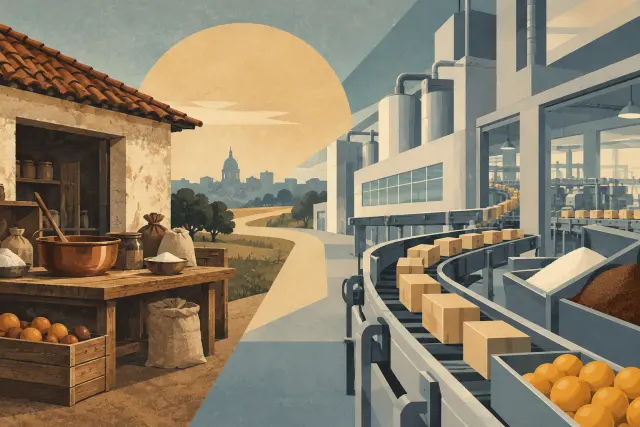
Open storyThe rise of Arcor in Arroyito was not just a business event, but a response to the protectionist policies of the time. We analyze how the brand transformed the relationship between the consumer and the food product.
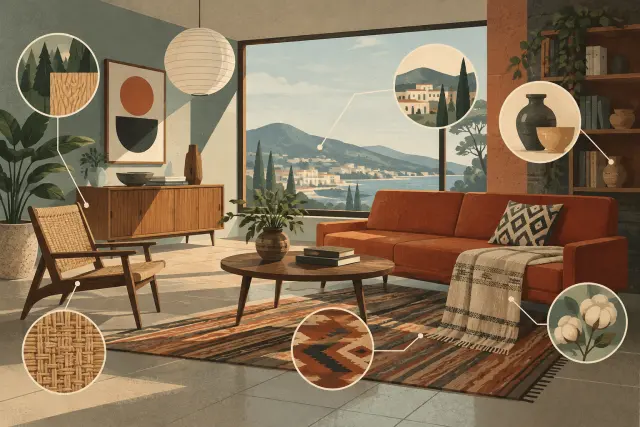
Open storyConservation and registration manuals suggest that domestic decoration is not preserved by describing objects alone, but by linking them to their cultural and social context.
Open story