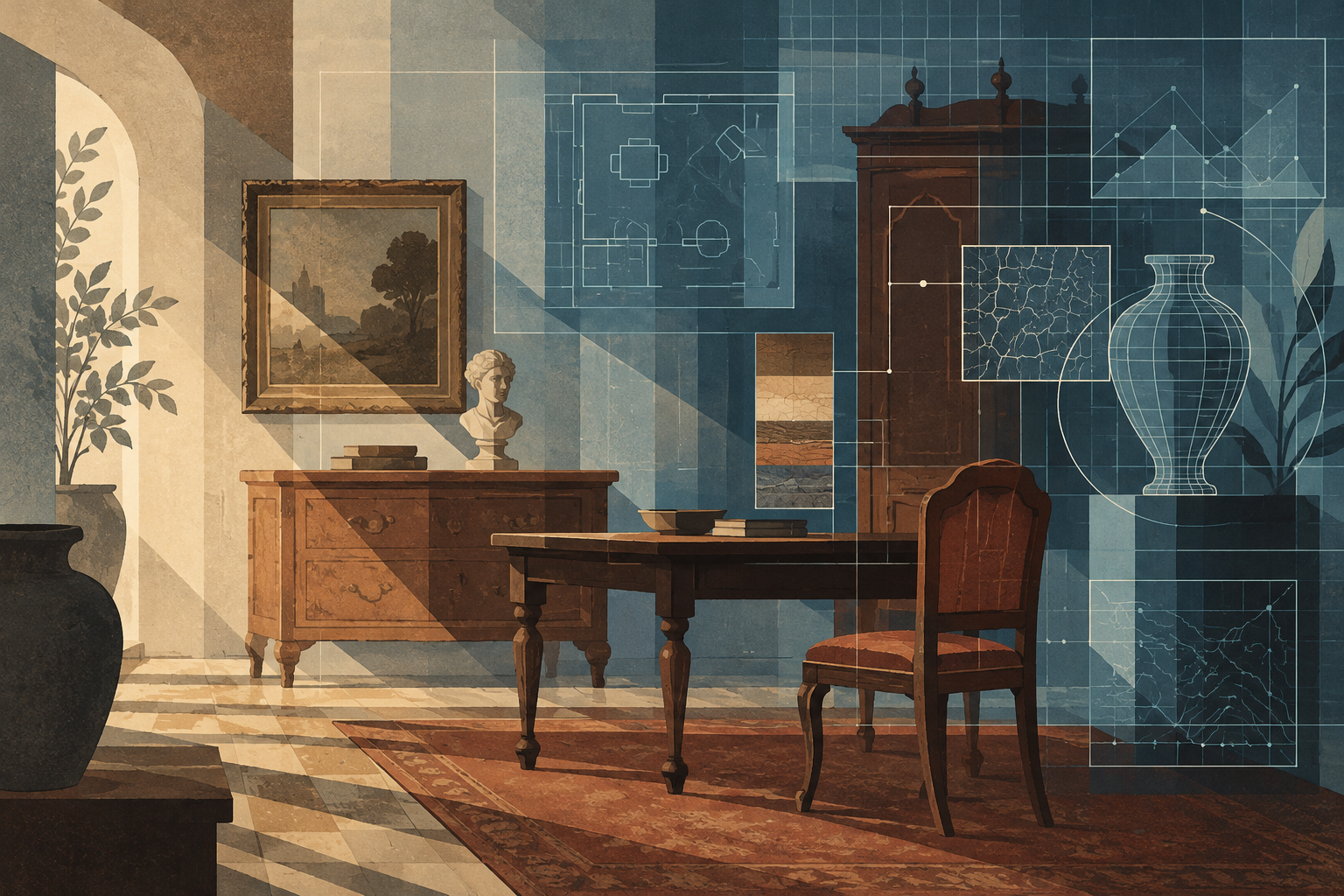
Cultural heritage preservation has undergone a shift in focus that transcends mere physical custody. Traditionally, the primary goal was to maintain the material integrity of the object over time. However, current sources point to a transition towards active documentation through digital technologies. This article analyzes how tools such as 3D modeling and virtual reality not only protect but also transform the relationship between the public and cultural legacy, introducing a new layer of information that requires specific management.
From physical custody to active documentation
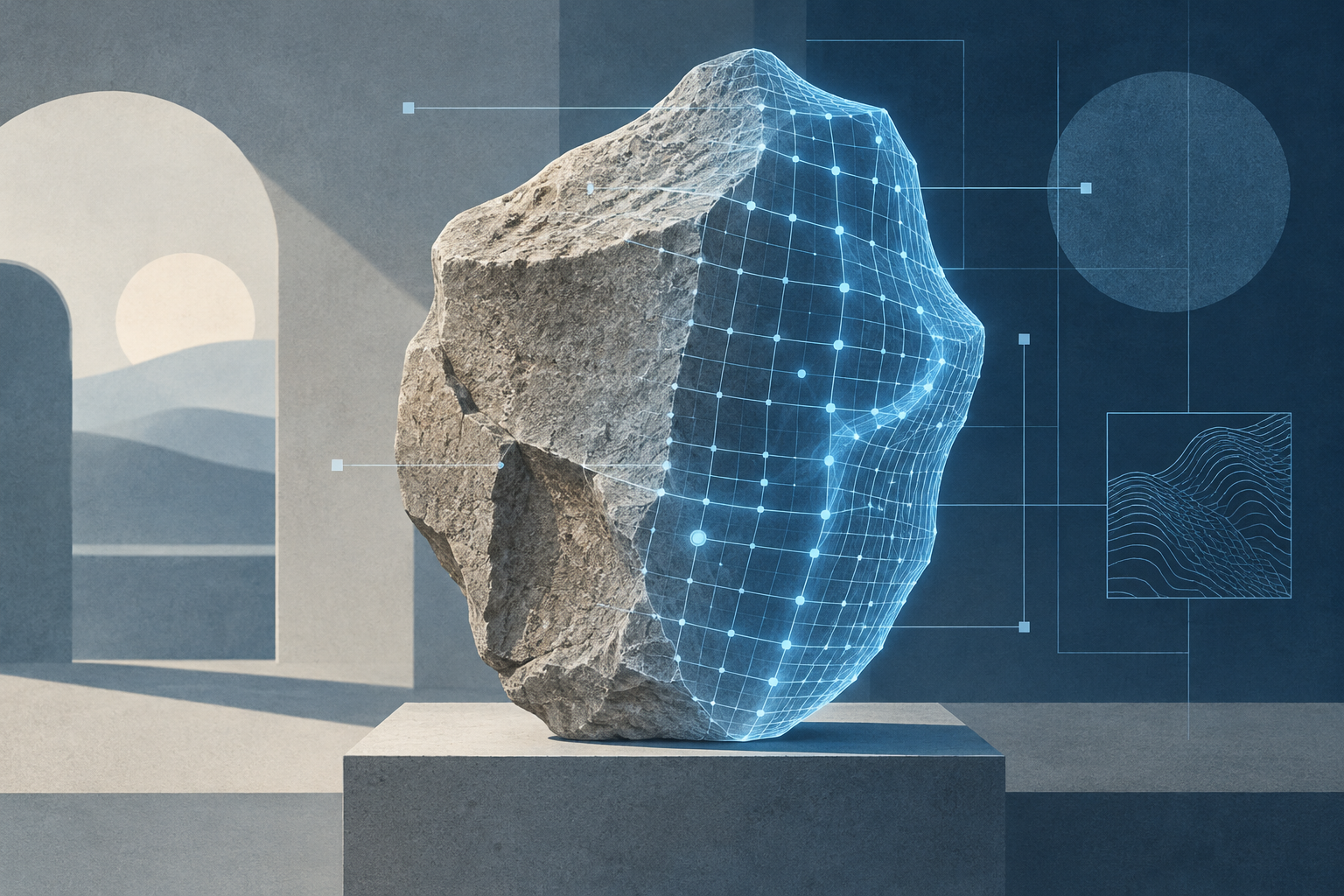
For decades, conservation focused on environmental control and minimal handling of objects. Available evidence indicates that this model is evolving. Digital technology allows capturing details that the human eye does not always perceive and creating virtual replicas that facilitate study without the risk of deterioration. This ability to transform the object into data represents a significant advance in preservation methodology, allowing for deeper and safer analysis.
The role of virtual reality and 3D modeling
Innovations such as virtual reality and three-dimensional modeling offer new ways to interact with heritage. These tools allow users to explore spaces and objects from any location, breaking geographical and physical barriers. Evidence suggests that this accessibility is not just a convenience but a strategy to democratize knowledge. By making heritage more interactive, a broader and sustained interest in history and culture is fostered.
Technology as a layer, not a substitute
It is crucial to understand that digitization does not replace the physical object. Evidence indicates that technology adds a layer of information that complements, but does not negate, the material existence of the cultural asset. The original object remains the primary source of historical and aesthetic truth. The digital version is a tool for access and study, but it lacks the material authenticity of the original. This distinction is fundamental to avoid the decontextualization of heritage.
Continuous maintenance of digital supports
Unlike physical objects, which can remain stable for centuries under the right conditions, digital archives are fragile. Evidence points out that these supports require continuous maintenance to avoid technological obsolescence and data loss. File formats change, operating systems evolve, and reading devices become obsolete. Therefore, digital preservation is an active and permanent process, not a one-time digitization event.
Digital conservation plans in museums
To manage this complexity, museums and archives are implementing digital conservation plans. These documents have become fundamental for the management of digital supports. They define data migration strategies, quality standards, and access protocols. The integration of these plans into museological practice reflects a necessary adaptation of conservation traditions to current technological realities. Without these guidelines, future access to digital heritage would be at risk.
Accessibility and interactivity as pillars
Evidence highlights that accessibility and interactivity are keys to knowledge transmission in the digital age. By allowing users to interact with digital replicas, a more dynamic learning experience is created. This not only benefits academics but also the general public, who can explore heritage in a more intuitive way. Technology thus acts as a bridge between the cultural institution and society, facilitating a more direct and meaningful connection.
Limitations and verification challenges
Although the sources provide a generally positive view of these tools, it is important to recognize their limits. The evidence does not detail the specific implementation costs or the technical challenges specific to each institution. Additionally, the quality of digitization can vary, affecting the reliability of the generated data. Digital preservation is a powerful promise, but its success depends on continuous investment and constant adaptation to new technologies. The balance between innovation and the preservation of authenticity remains an open challenge for cultural managers.
- Decade
- Contemporary
- Region
- Global
- Level
- Introduction
- Entities
- No linked entities
Sources and references
- Georas Museo Internet ESPANOLlaw.yale.edu · 2026-10-17
- Desarrollo y conservación del patrimonio cultural-natural en el contexto neoliberal y nuevas tecnologíasdoi.org · 2026-10-17
- Preservar la historia mediante la tecnología moderna.translate.google.com · 2026-10-17
- El papel de la tecnología en la preservación del patrimonio ...kunturlablatino.substack.com · 2026-10-17
- Plan de Conservación Digital para Museosevemuseografia.com · 2026-10-17