Analysis · 1970
Reconstructing a home begins with reading its photographs
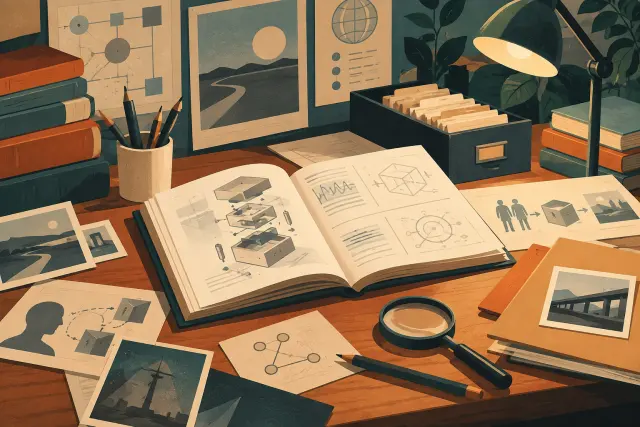
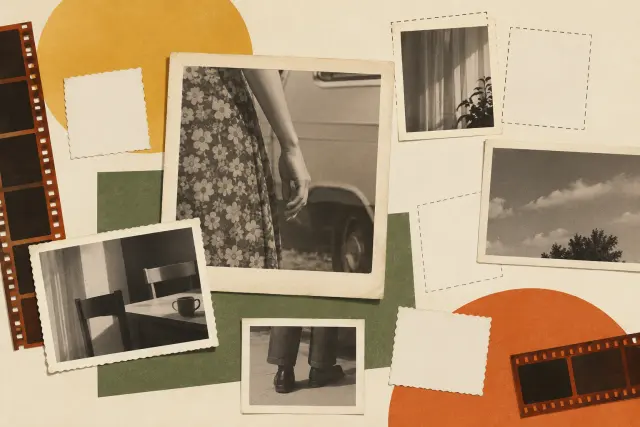
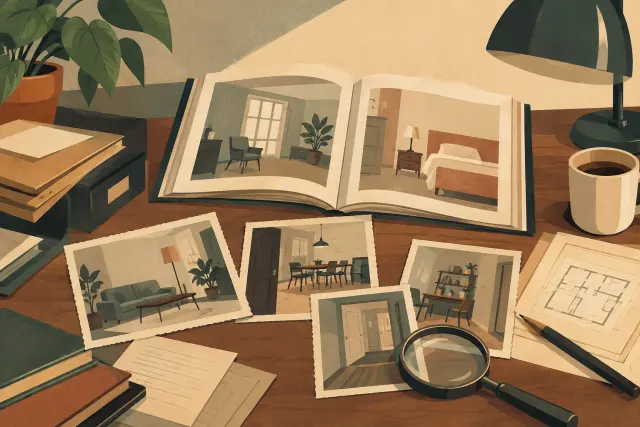
Interior photographs are clues, not complete portraits. Archives, catalogues and exhibitions help us interpret what they show—and what they leave out.
Open storyArchive of technology, entertainment and everyday life
Interior photographs are clues, not complete portraits. Archives, catalogues and exhibitions help us interpret what they show—and what they leave out.
Open storyA history of technology need not simply line up inventions. Manuals, archives and studies let us ask which uses the sources describe—and where their certainty ends.
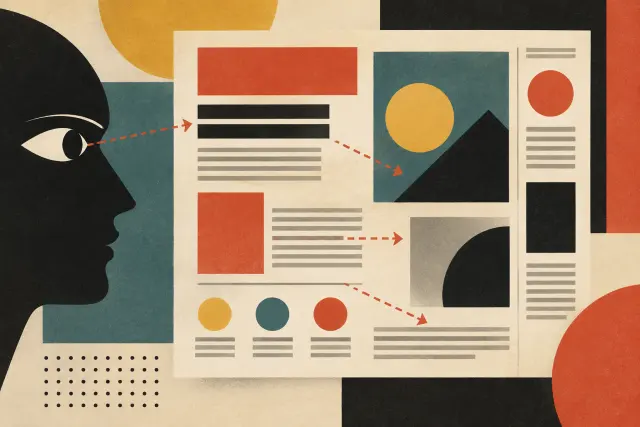
Open storyReading advertising design means looking beyond style: hierarchy, composition and text organize a message. Available archives and studies help frame questions, but do not always reveal the original intent.
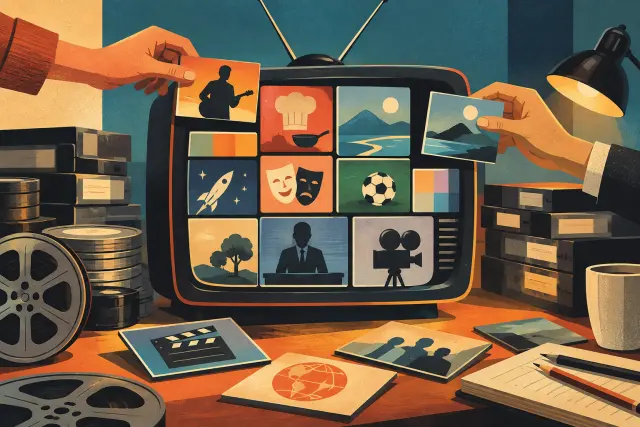
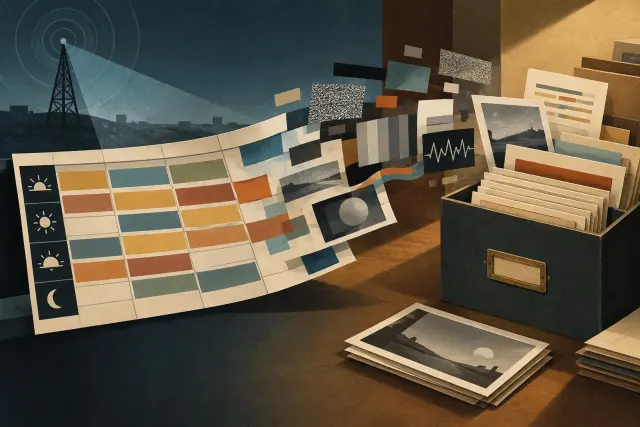
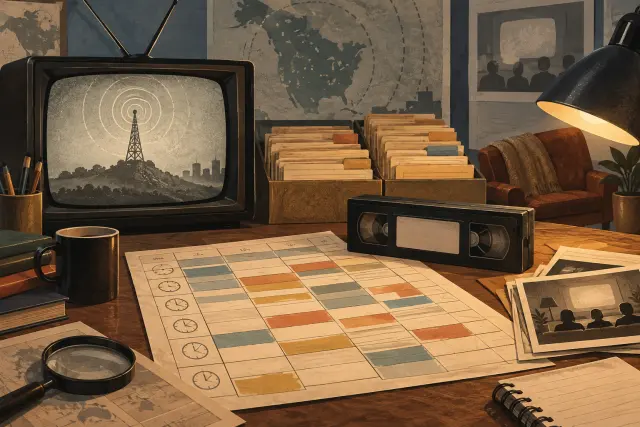
Open storyAudiovisual archives and studies of preserved material help investigate television history, but they do not by themselves amount to a complete schedule. What the available sources can establish—and where their limits begin.
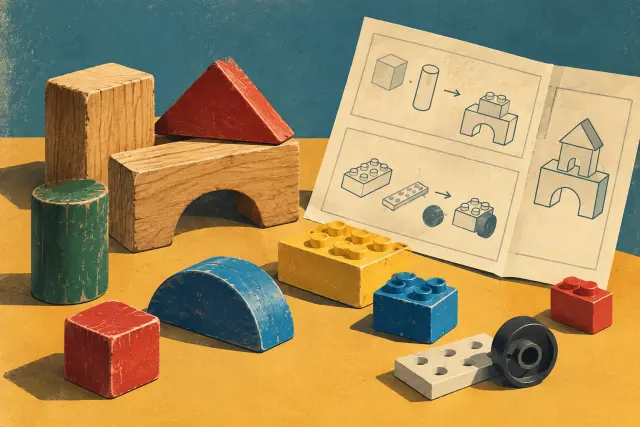
Open storyThe spread of plastic and the persistence of wooden toys appear in the sources as material changes, not as a complete account of how children played. Comparing that evidence helps ask what an object can reveal—and what its instructions would need to add.
Open storyPhotographs can bring us close to everyday gestures and settings, but they do not turn one experience into a general rule. Drawing on projects about photography and daily life, alongside Spanish archives, this analysis considers what an image documents and what it leaves open.
Open storyReconstructing Spanish television from 1970 to 2000 means reading more than the programmes that survive: archives, research and documents can bring us closer to broadcasts and their context, while requiring us to distinguish what aired from what endured.
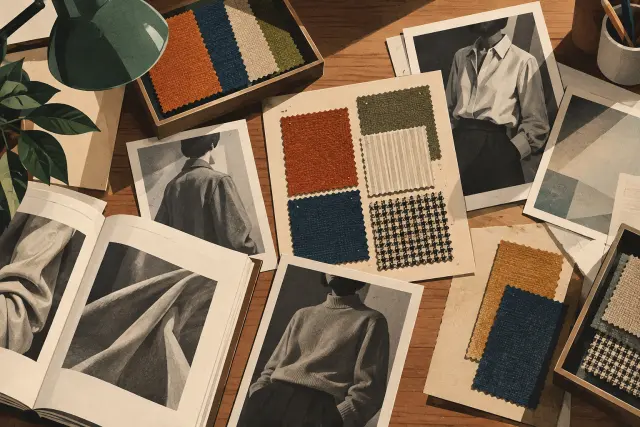
Open storyPhotographs, publications and preserved garments offer different kinds of evidence about fashion. Reading them together helps distinguish documented uses from promotional imagery and generalisations about everyday life.
Open storyAudiovisual archives, academic studies and programme records offer different ways to study what was broadcast and how it was scheduled. Each source preserves a different part of the story, and none alone can reconstruct the experience of watching television.
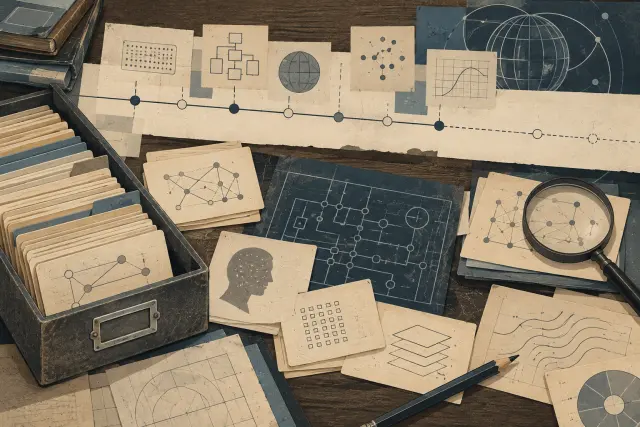
Open storyTechnology timelines often highlight milestones and recognizable products. A more careful reading also asks what such lists leave out, and what archives, collections and documented examples can add.
Open storyThe spread of the personal computer was not a single moment: the sources describe a market taking shape during the 1970s and a gradual change in how people related to computing.
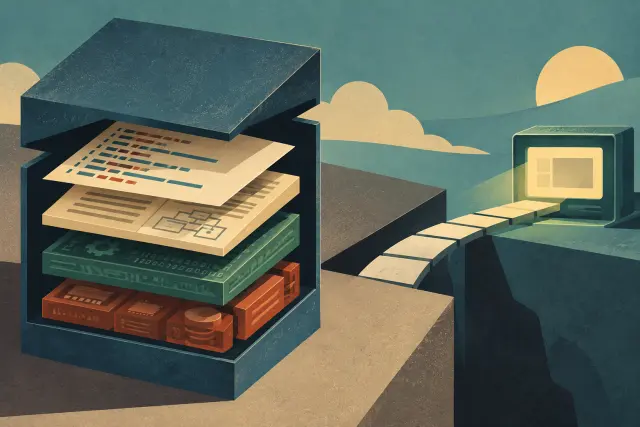
Open storyPreserving code, documenting a program and getting it to run again are related but distinct tasks. The cited initiatives help explore that difference without conflating preservation with practical availability.
Open story