MUSEUM / RETRO ARCHIVE

Museo Nacional de Artes Escénicas

Image of Museo Nacional de Artes Escénicas.
Paconi · Wikimedia Commons · CC BY 3.0 · CC BY 3.0

A museum managed by INAEM in Almagro. Its Musical Archive preserves collections whose institutional origins and types are described in the museum’s official information.

Selected excerpts from our archive offer more context on this subject. Each reading links to the original article and its sources.

Music is preserved in its documents, too

El Museo Canario describes a guided visit to the music holdings kept in its archive and identifies scores as a point of reference. The Museo Nacional de Artes Escénicas, meanwhile, says that most of its musical heritage comes from the Museo-Archivo del Teatro Real, created by its director Luis París in 1919. These are specific institutional descriptions. On their own, they do not establish the full scope, detailed composition or history of either collection.

Music survives in more than the sound

El Museo Canario describes a guided visit to its musical holdings centred on written music and scores kept in its archive. Spain’s Museo Nacional de Artes Escénicas says that much of its musical heritage comes from the Museo-Archivo del Teatro Real, created by its director Luis París in 1919. These are different cases, but both draw attention to an institutional history: materials arrive, are organised and become accessible within a particular setting.

KEY FACTS
Type
Museum
Country or region
Spain
DOCUMENTARY SOURCES

References

  1. Archivo Musical - Museo Nacional de Artes Escénicas: Almagro, Ciudad Realmuseodeartesescenicas.inaem.gob.es
Related stories

Analysis · 2000

Music leaves more than one kind of trace

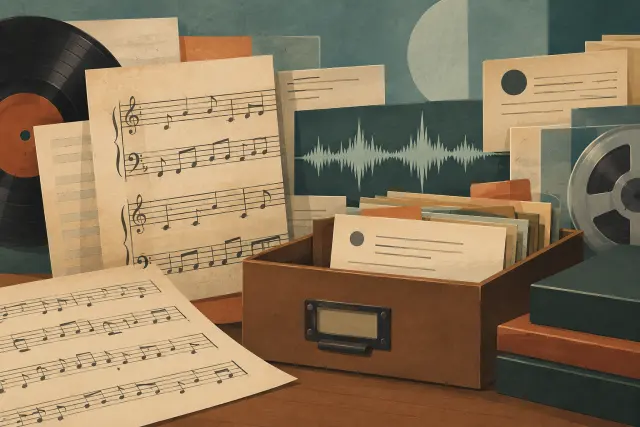
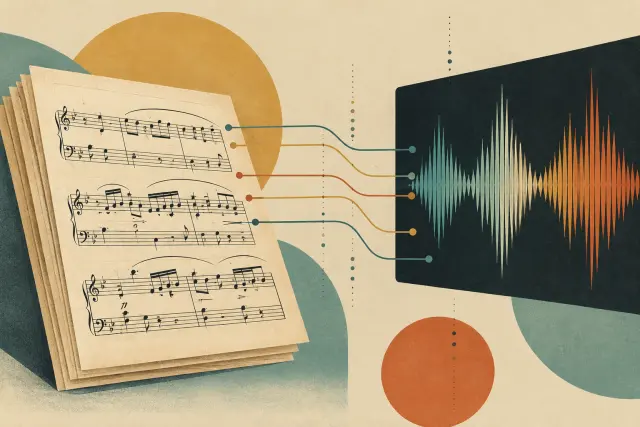
Scores, archives and historical studies preserve different kinds of evidence. Reading them together makes it possible to ask more precise questions without confusing a work with its editions or possible sound recordings.

Open story
Analysis · NOW

A Song Leaves Traces Beyond Its Sound

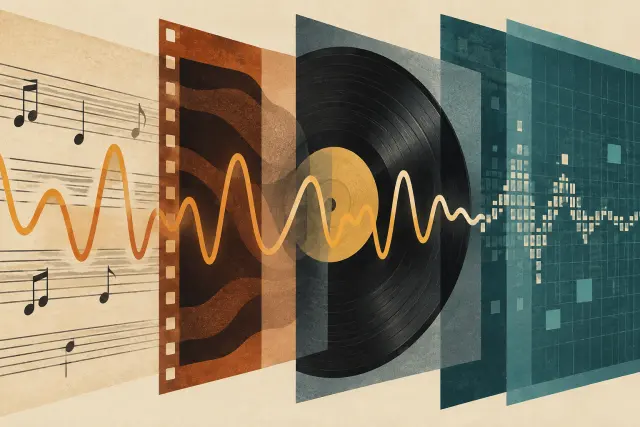
Scores, multimedia archives and recordings are not interchangeable forms of evidence. The available sources offer a way to explore what each record preserves and why distinguishing a work, an edition and a medium matters when reconstructing music history.

Open story
Analysis · 2000

Music survives in more than the sound

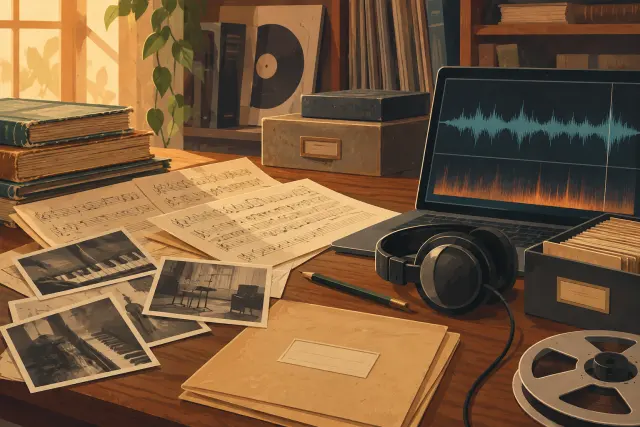
Archives and museums show that preserving music also means keeping scores, images, documents and records of activity. A look at what these materials can—and cannot—tell us about musical life.

Open story
Analysis · NOW

Music is preserved in its documents, too

Scores, music archives and multimedia records offer different ways of documenting music. The available sources show what these institutions preserve and what questions the archive leaves open in the streaming era.

Open story
Analysis · NOW

What a music archive preserves when music no longer fits in a box

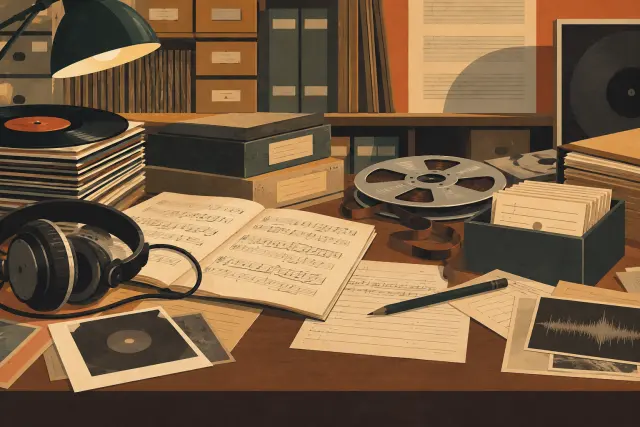
Scores, photographs and multimedia records preserve different parts of musical history. The available sources show how several institutions describe their holdings and point to a contemporary challenge: preserving and making songs findable in the streaming era without mistaking documents for the music itself.

Open story