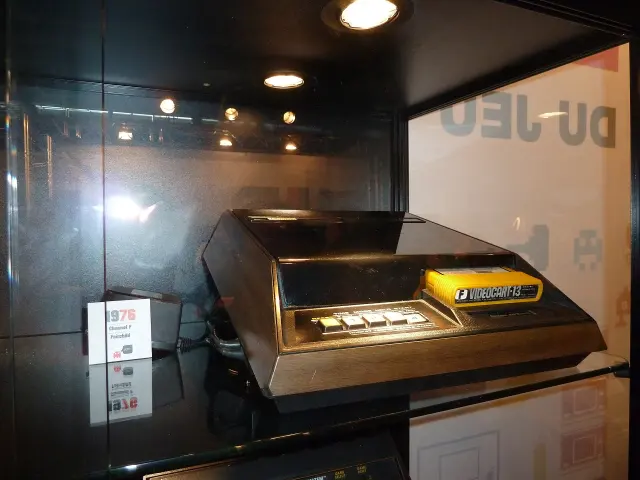
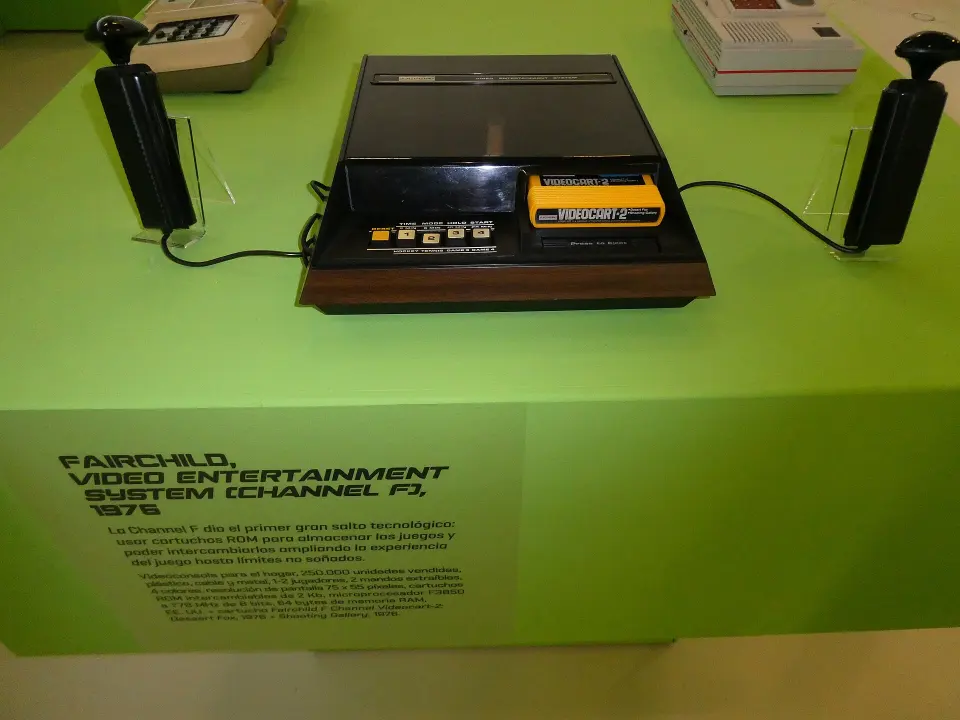
Console launched by Fairchild in 1976 as the Video Entertainment System and later renamed Channel F; the source identifies it as the first to use cartridges to load new games.
Selected excerpts from our archive offer more context on this subject. Each reading links to the original article and its sources.
Fairchild Channel F: The Cartridge as a Change of Model
Fairchild Channel F has a specific place in the available accounts of home-video-game history. In 1976, Fairchild launched a machine initially called the Video Entertainment System, later renamed Channel F. The importance assigned to that launch does not require treating it as an isolated legend, but rests on one concrete feature: it has been presented as the first console to use cartridges to load new games.
That may seem like a minor technical difference from a console dedicated to a single game. Yet it changes the relationship between machine and content. A machine is no longer defined only by the program built into it: it can receive different programs without the buyer replacing the whole device. That separation between hardware and game is the historical core that makes it possible to read Channel F as a turning point.
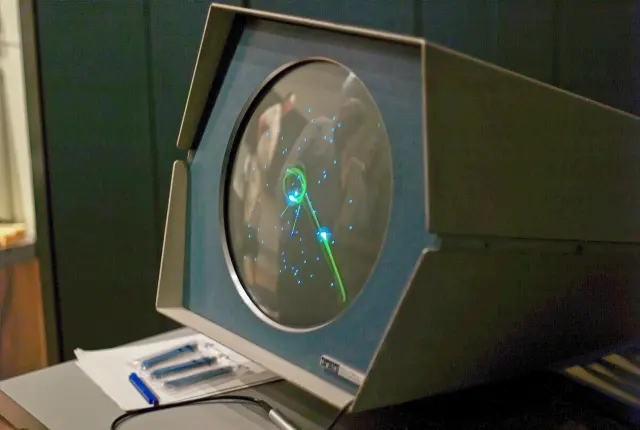
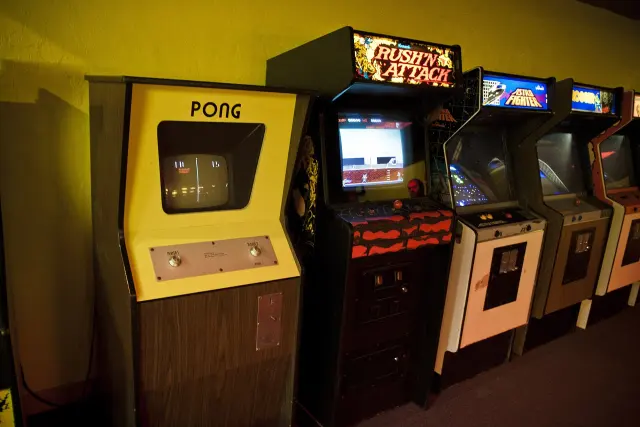
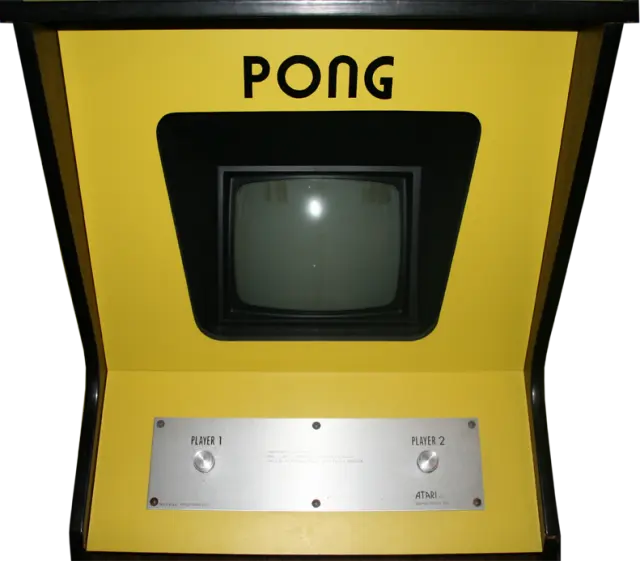
The sources consulted describe a 1970s in which video games were beginning to find recognizable commercial forms. Pong appears in this setting as a milestone in the move to the consumer market in 1972, while arcade machines and home products broadened public contact with the medium. This general chronology should not be treated as an inevitable line, however: formats coexisted, and every machine proposed its own limits.
The dedicated-console model was straightforward: one particular experience came built into the device. Ease of use was part of its appeal, but it also predetermined what the machine could do. Fairchild’s proposition moved variation to the cartridge. The buyer could keep the console and change the program, a routine gesture that anticipated a different way of consuming video games.
Console History Does Not Fit in a Bit Race
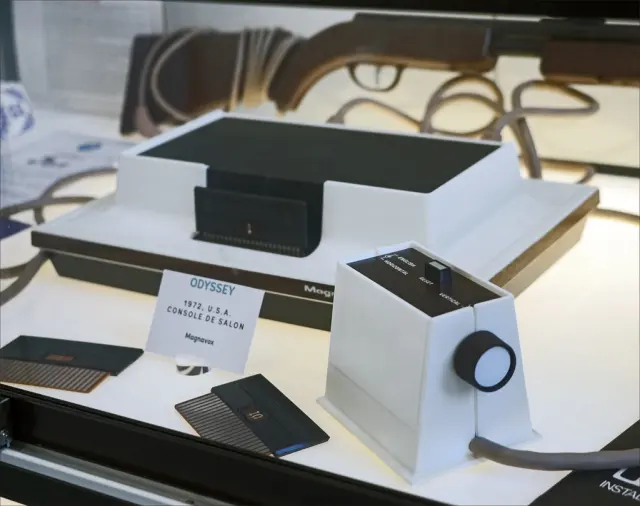
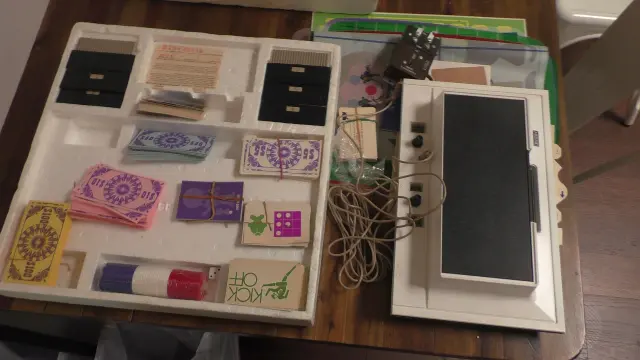
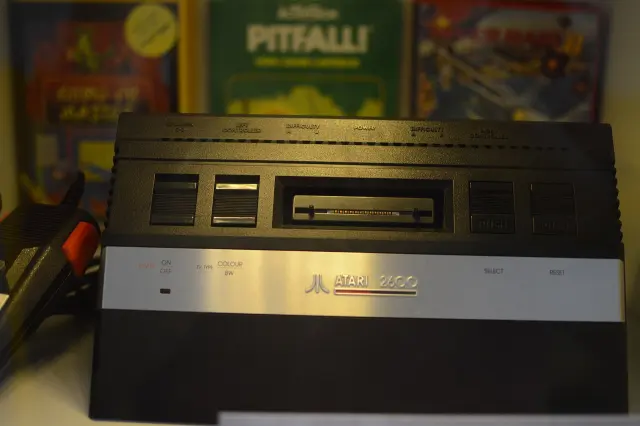
There was not a single domestic starting point shared by every territory. A community timeline places Magnavox Odyssey in 1972, then Fairchild Channel F in 1976 and Atari 2600 in 1977. It is useful as an initial map, not as final proof of every launch date, market, or circumstance. It should be read as a provisional inventory.
KEY FACTS
- Type
- Console
- Year
- 1976