DATABASE / SEARCH

Explore

Archive of technology, entertainment and everyday life

Analysis · 2000

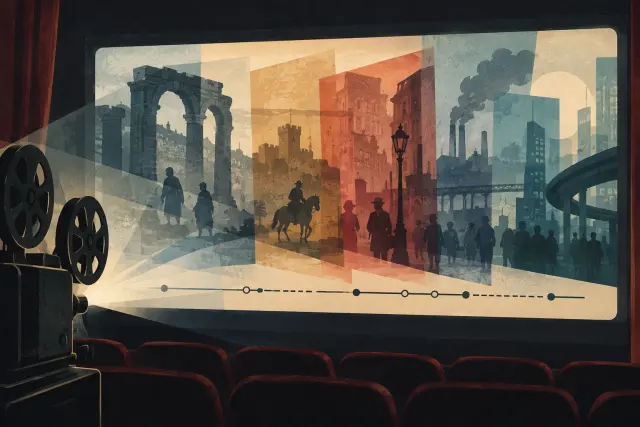
The Past on Film Is Never Transparent

Film can make an interpretation of the past visible, but it does not turn that interpretation into evidence by itself. Drawing on work about history, film documentation and memory, this analysis distinguishes what an image lets us observe from what a film constructs around it.

Open story
Analysis · 2000

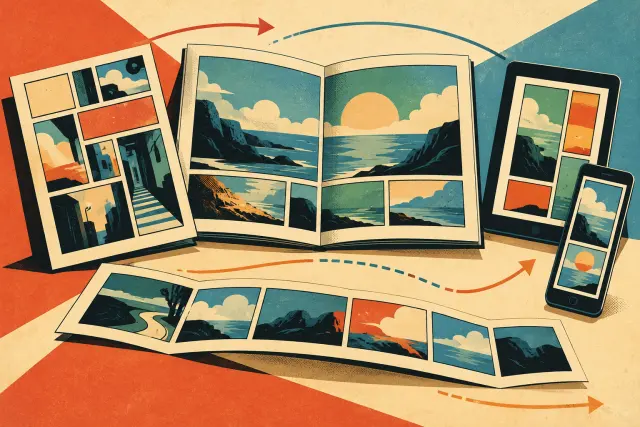
A comic’s format is part of how it is read

Magazines, fanzines, mini-comics, albums and graphic novels are distinct publishing forms, not interchangeable containers. The evidence supports examining how publication and circulation frame reading, but cannot reconstruct every reader’s experience or establish a uniform history for all formats.

Open story
Analysis · 2000

Everyday life leaves traces, not complete portraits

A cautious reading of everyday-life history distinguishes documented practices from scenes that the sources cannot reconstruct. The available bibliography places the question in work on early modern Spain and nineteenth-century Madrid, but it does not support generalizing experiences or transferring them to other homes and periods.

Open story
Analysis · 2000

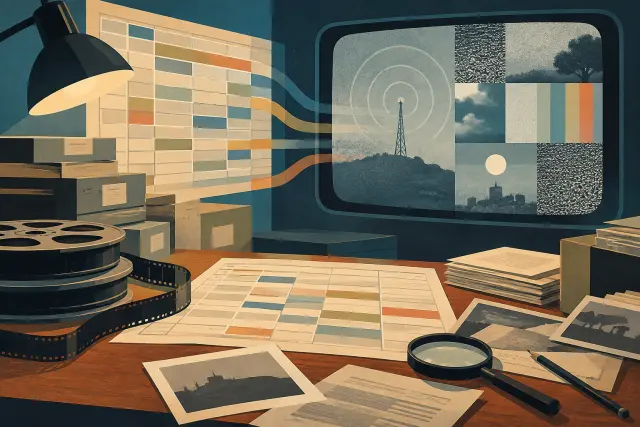
The Missing Schedule Is Part of the Story

Audiovisual archives make it possible to revisit programmes, but establishing what aired, when and for whom requires more than surviving footage. A careful reading distinguishes the available record from the schedule that still needs documenting.

Open story
Analysis · 2000

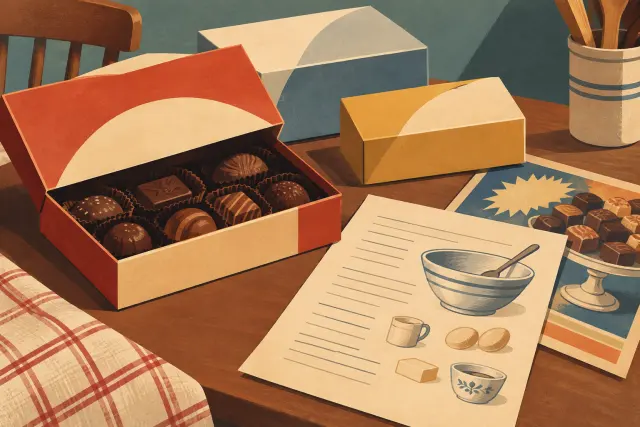
A Sweet Box Does Not Tell the Whole Story of Food

The biscuit, sweet and chocolate boxes held by the Museum of the History of Madrid document presentation and sale. To discuss eating habits, they should be compared with cookbooks, social histories and other sources, without mistaking advertising promises for what people ate at home.

Open story
Analysis · 2000

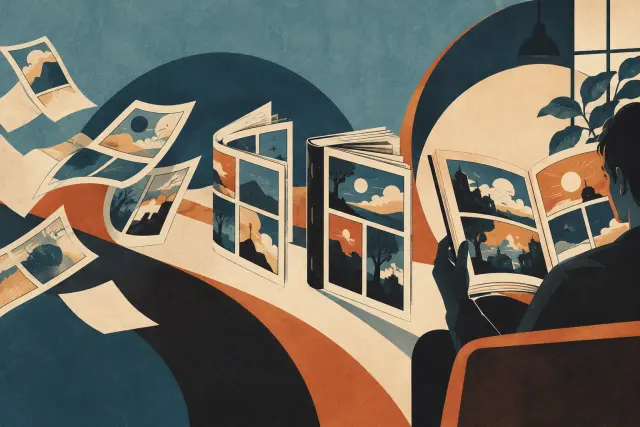
Format also shapes how a comic is read

Magazines, fanzines, mini-comics, albums and graphic novels are more than containers. Comparing formats helps us ask how publishing shapes reading, although the available sources do not establish specific effects for particular editions.

Open story