Designing an Ad Means Deciding What We See First
A look at advertising graphic design through its communication choices: how text, images and composition organize a message, and where the verifiable historical record ends.
Open storyArchive of technology, entertainment and everyday life
A look at advertising graphic design through its communication choices: how text, images and composition organize a message, and where the verifiable historical record ends.
Open storyA critical look at what histories of technology can and cannot tell us about devices: inventions matter, but so do uses, documents and the limits of the available evidence.
Open storyA reading of graphic design and advertising as ways of organizing messages: form is not interchangeable decoration, but it alone cannot prove how an item was used. Archives help separate visible choices from interpretations that need further evidence.
Open storyA cautious reading of available sources on video games, the industry and cultural institutions: what they support, and where questions should remain open.
Open storyFrom 1970 to 2009, studying photography and video means separating what an image shows from what its documentation can establish about its medium, process and use.
Open storyThe history of technology is not simply a succession of inventions. Comparing documented tasks, uses and promises helps explain what changed—and what the available sources still leave unclear.
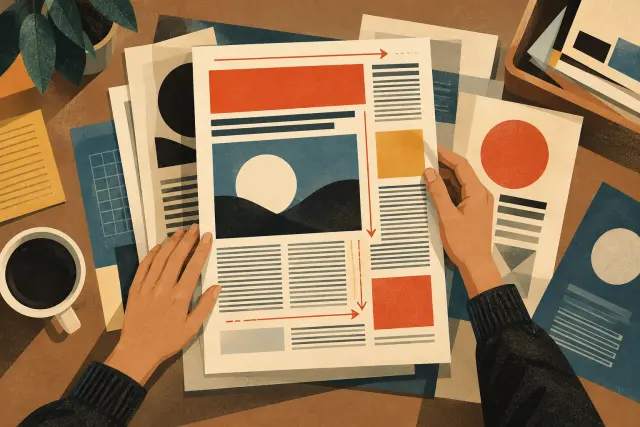
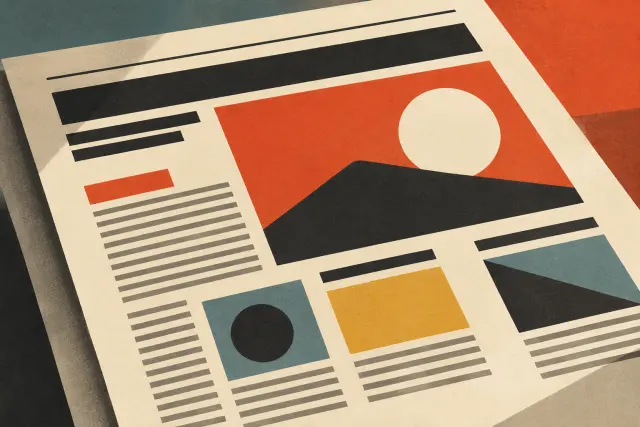
Open storyGraphic design is not merely an appearance applied to a message: it organizes visual elements so that the message can be interpreted. Looking closely at advertising and its documentation raises a useful question: which decisions guide reading, and which are primarily aesthetic choices?
Open storyA useful history of technology does not line objects up as a procession of inventions. It asks what they promised, what they enabled people to do, and what evidence survives of their use.
Open storyArchives and exhibitions do more than preserve design and advertising: their choices of selection and description shape how we interpret them. The available evidence supports asking that question, but not attributing specific findings to the collections cited.
Open storyA schedule can place programmes in time, but it cannot by itself explain how they were presented, what material survives, or how audiences received them. Archives, scholarship and traces of programming answer different questions and need to be read together, without mistaking a documented broadcast for a complete account of the viewing experience.
Open storyMagazines, fanzines, minicomics, albums and graphic novels are more than publishing labels. The available sources make it possible to ask how their reading conditions can be compared, though they do not justify assigning each format a fixed experience or a linear evolution.
Open storySticker albums organize collecting around gaps, duplicates and trades. The available sources make it possible to examine this ritual and its social dimension, but they do not by themselves identify a reliable catalogue of series and variants.
Open story