Analysis · 1950
What a Score Cannot Tell on Its Own
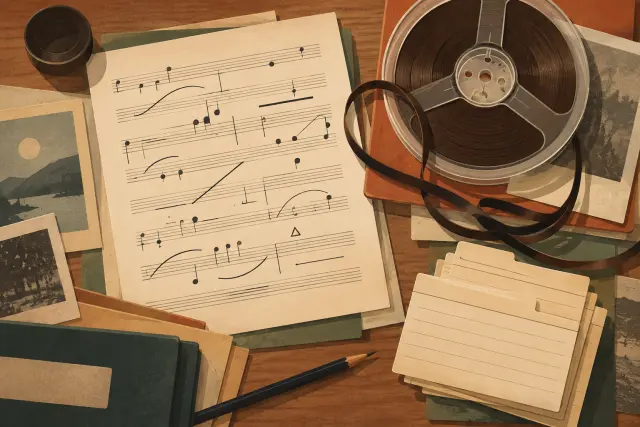
Scores, recordings and archival documents preserve different aspects of music. Two Latin American cases show why context matters as much as the medium.
Open storyArchive of technology, entertainment and everyday life
Scores, recordings and archival documents preserve different aspects of music. Two Latin American cases show why context matters as much as the medium.
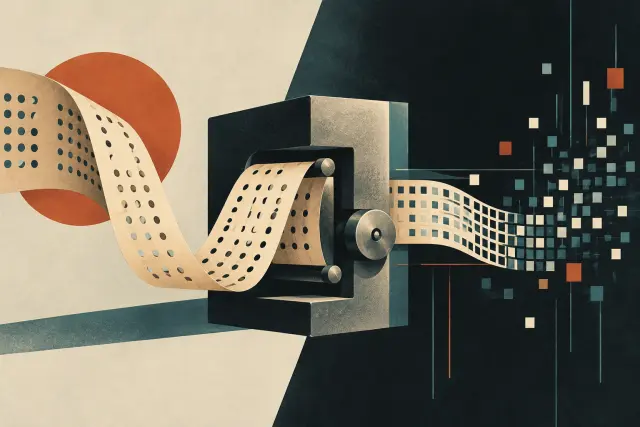
Open storyPerforated tape turned a strip of paper into a medium that could guide machines and carry data. Its passage from typesetting to early computers reveals a technical continuity, though some details of that history call for caution.
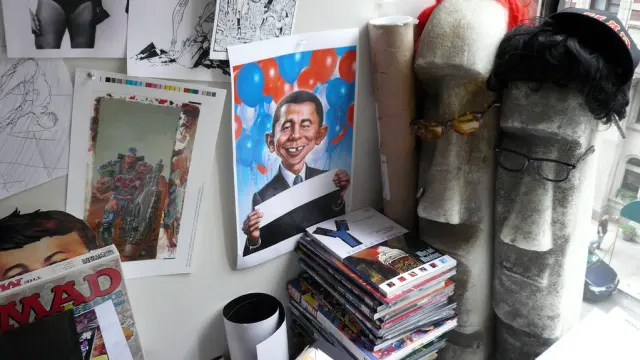
Open storyCreated in 1952, Mad turned popular culture and consumer goods into material for graphic humor. Its history shows how format and satire met, though the available evidence alone cannot establish a direct influence on comics as a whole.
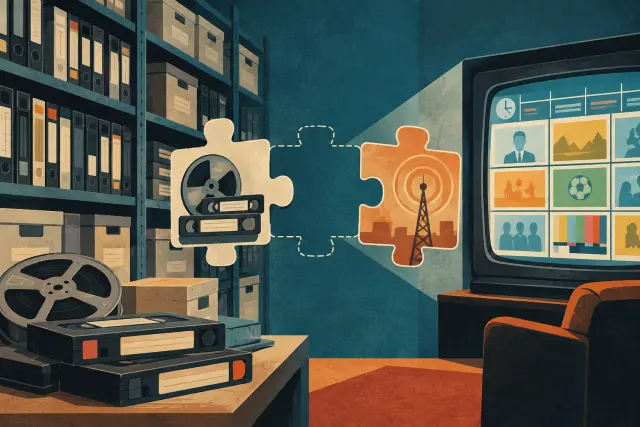
Open storyAvailable studies and resources on Spain’s audiovisual heritage show the value of television archives, as well as the limits of what they can establish about schedules, reception and recording habits.
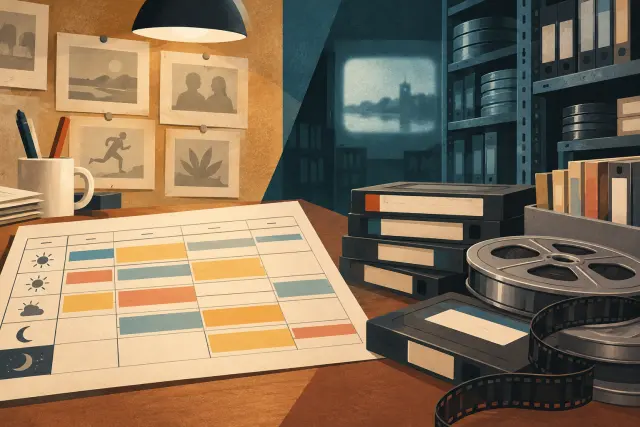
Open storyStudies of television archives and RTVE’s online archive raise a useful question: what can be reconstructed about Spanish television, and what evidence is needed to discuss schedules and recording habits?
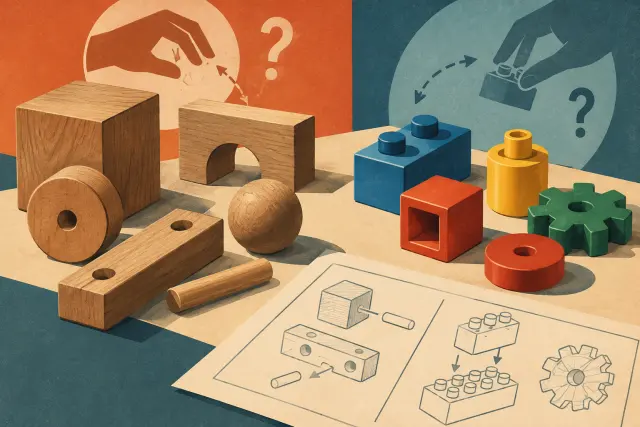
Open storyMaterial alone does not tell a toy’s story. Form, instructions and traces of use help us ask what actions it enabled, without mistaking a possible way to play for every user’s experience.
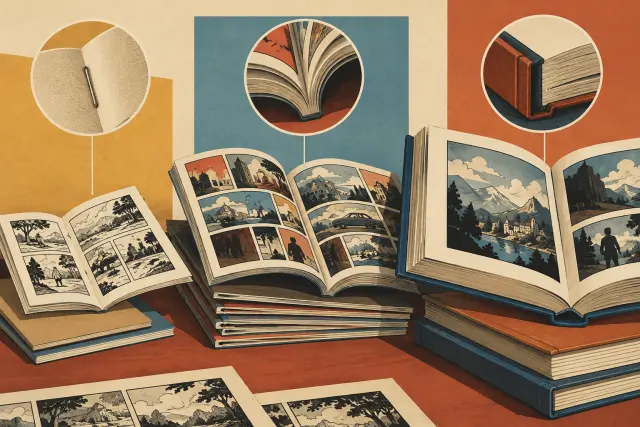
Open storyA look at comics through their publishing formats: magazines, fanzines, mini-comics, albums and graphic novels. The evidence supports some distinctions and questions about circulation and memory, but not a universal history or comparable figures.
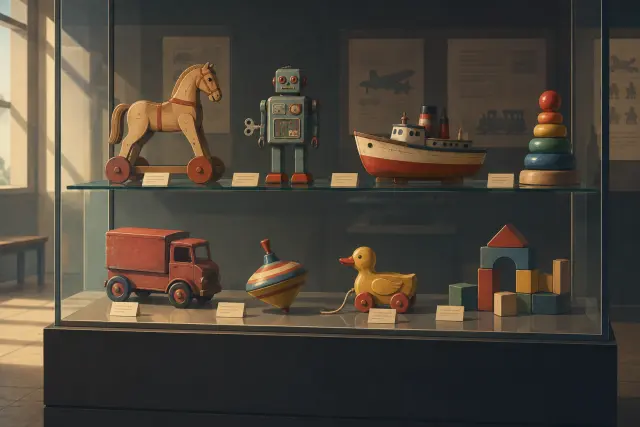
Open storyThe material history of Spanish toys is more than a succession of objects: collections and exhibitions help reveal changes in techniques, materials, customs and expectations of childhood.
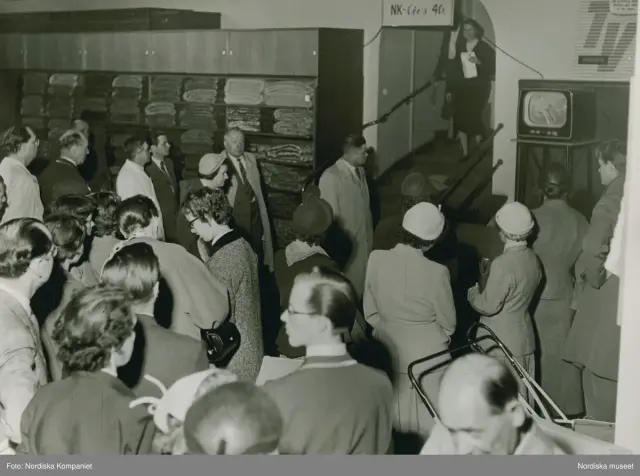
Open storyIn post-war Spain, demonstrating television and preserving its images were different tasks. The 1948 trials and the use of film recording until 1956 offer a few traces, but cannot fully establish what was broadcast or what was lost.
Open storyFounded in 1956 and now known as Tōei Animation, Tōei Dōga appears in the sources as a decisive studio for professional training and the development of Japanese animation. This feature places that claim within the available material and historical context without turning it into a total history of anime.
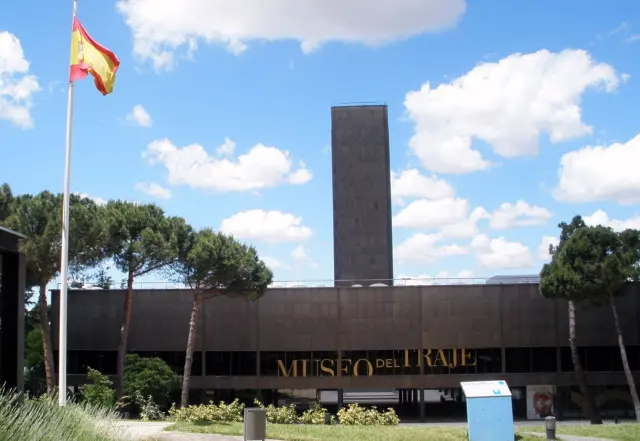
Open storyThe Museo del Traje collection brings together regional dress, jewellery and accessories, works by Mariano Fortuny y Madrazo, and holdings representing Cristóbal Balenciaga and Pedro Rodríguez. Using the available institutional information, we examine what this concentration of objects allows us to say and the limits of a collection description.
Open storyToys do more than evoke childhood: their materials, purchase routes, uses, and preservation make social transformations legible. Drawing on museum and academic sources, we examine what can—and cannot—be claimed when a toy enters a collection.
Open story