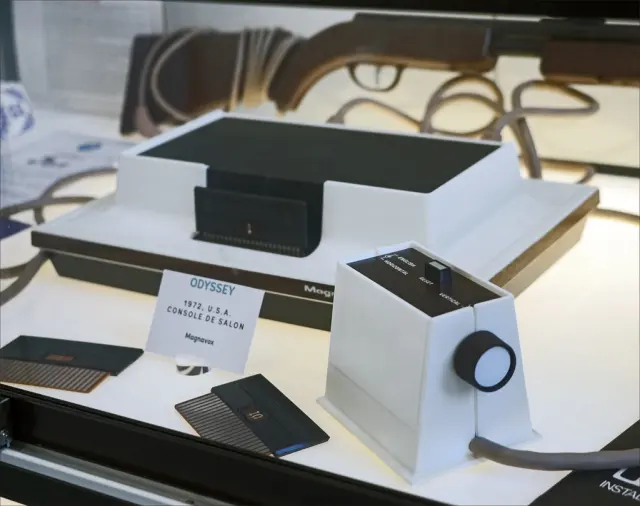
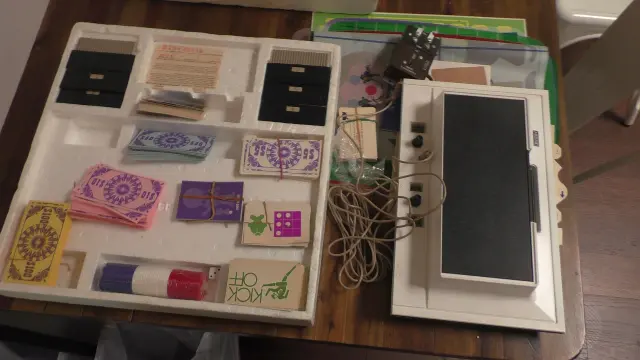
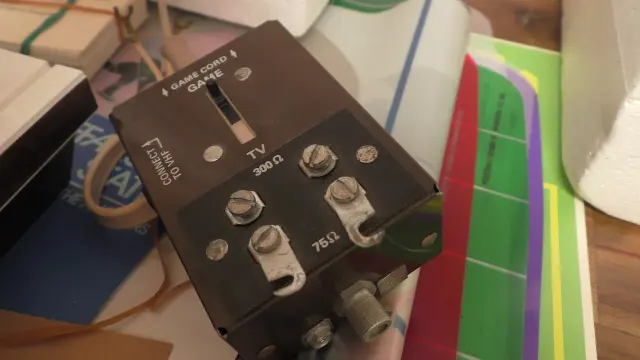
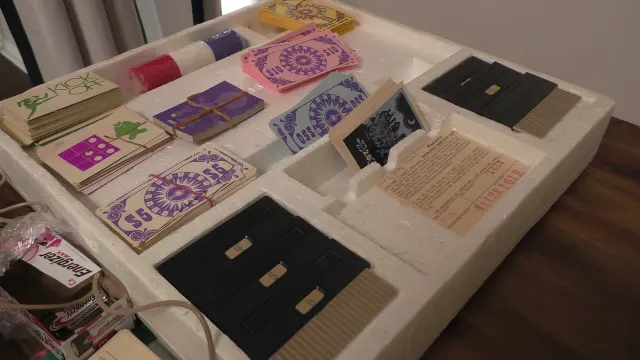
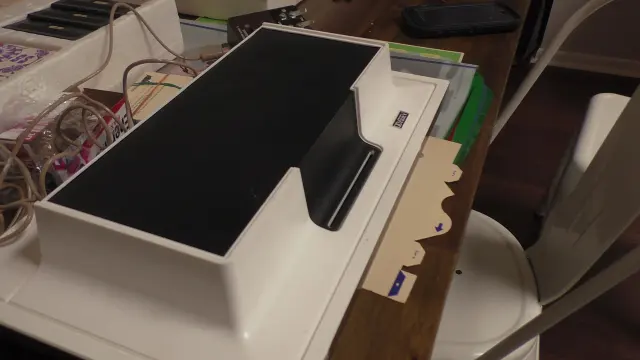
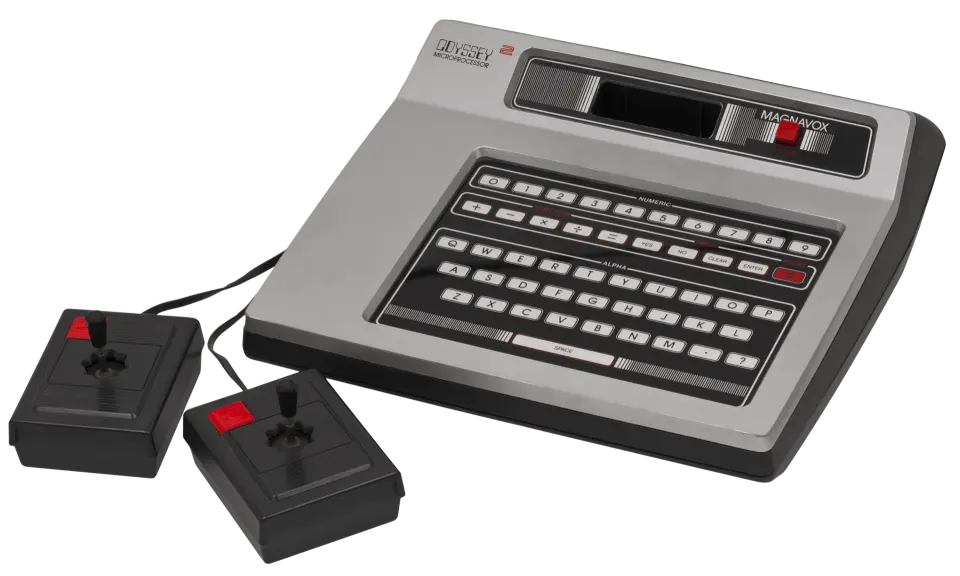
Home console marketed by Magnavox in 1972. The sources associate its creation with Ralph Baer and connect it with the Brown Box prototype, said by those sources to be preserved by the Smithsonian.
Selected excerpts from our archive offer more context on this subject. Each reading links to the original article and its sources.
Magnavox Odyssey: the 1972 console and the limits of its founding story
Few machines carry as emphatic a historical label as the Magnavox Odyssey. In the consulted summaries, it appears as the first home video-game console marketed by Magnavox in 1972, and its creation is associated with Ralph Baer. That wording is useful as a starting point, but it should not become a shortcut that erases uncertainties in the available documentation.
The date illustrates the issue well. CNN en Español says Magnavox put the Odyssey on sale in 1972, but explicitly warns that the exact launch day is unknown; the earliest press advertisements located by that source are from late August. Therefore, 1972 is a sound year-level date, while assigning a specific day without further documentation would exceed the supplied evidence.
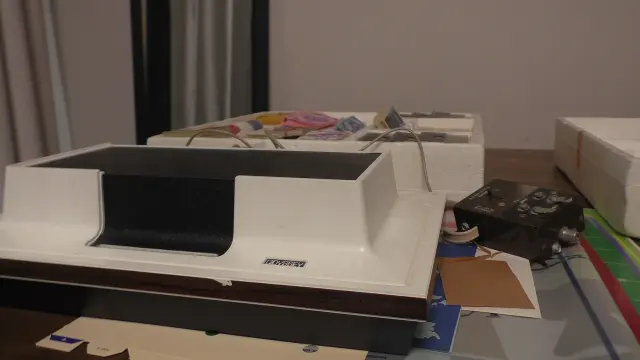
The available material links the project to Ralph Baer. CNN en Español places his work on a prototype now known as the Brown Box between 1966 and 1971. The same source says that prototype is part of the Smithsonian’s permanent collection. InternetPasoAPaso also identifies the Brown Box as the first prototype and associates it with the Smithsonian’s National Museum of American History.
This matters for two reasons. First, it separates the prototype stage from Magnavox’s commercial machine. Second, it shows why material preservation matters: a preserved object does not settle every question about chronology or context, but it provides a physical anchor against accounts circulated only in condensed form. The consulted sources present Baer as a central figure and even as the “father of video games,” a widely repeated designation; here it is best treated as historiographical recognition rather than a single explanation for a complex medium.
Magnavox Odyssey and the arrival of games in the living room
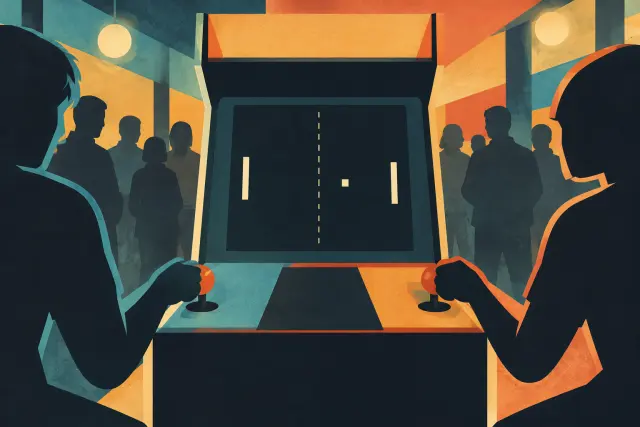
In 1972, Magnavox released the Odyssey, a home console that the available sources associate with Ralph Baer’s work. The important point is not only its date: the machine proposed a new relationship between electronic games and the household television. Rather than making video games an experience tied exclusively to an arcade, the Odyssey placed play in a shared domestic space.
That description should not become an absolute claim about every earlier experiment. The supplied sources identify the Odyssey as the first marketed home video game console, or as the first home console in history, but they do not provide a comprehensive comparison with earlier prototypes. It is therefore more precise to call the Odyssey an early milestone in home consoles and to attribute the strongest “first ever” formulations to their sources rather than treating them as universally settled facts.
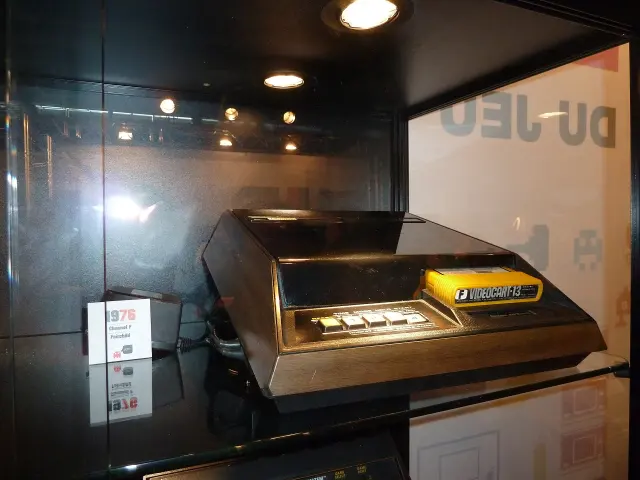
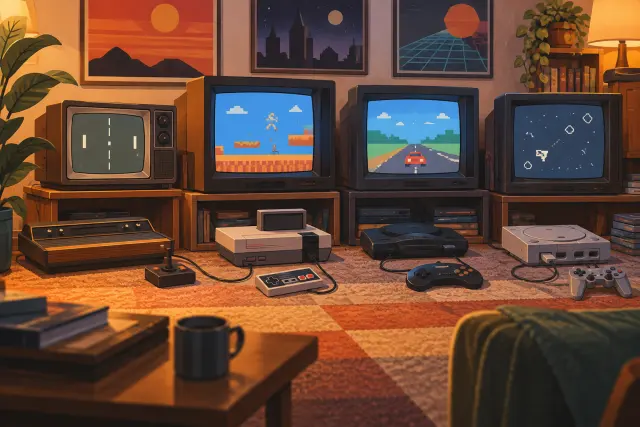
The first console generation differed from later generations in one fundamental respect: many games were built into the machine instead of being sold as interchangeable titles on removable media. The supplied overview of that generation also describes very simple graphics, made from points, lines and blocks, and limited colour and sound capabilities.
The Odyssey belongs to this context. It should not be judged as if it were intended to offer the audiovisual possibilities of a later console. Its significance lies in opening up a way to play at home while the medium’s conventions were still taking shape. The first-generation overview notes that cartridges and accessories could change how some systems were played; that does not mean every machine worked in the same way, or that every Odyssey game required the same kind of add-on. The evidence provided here does not give a complete inventory of accessories for every version.
KEY FACTS
- Type
- Console
- Year
- 1972
- Country or region
- United States
References
- Videoconsola - El Museo de los 8 Bitsmuseo8bits.com
- Un paseo por todas las generaciones de consolas a lo largo de la historiaeloutput.com
- La primera consola de videojuegos cumple 40 años | CNNcnnespanol.cnn.com