Editorial team illustration · RetroPause
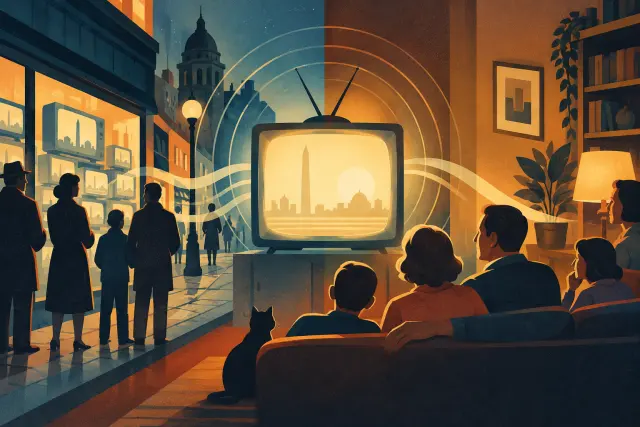
From Canal 7’s first broadcasts in 1951 to the Cordobazo and the Moon landing in 1969, Argentine television changed from a scarce novelty into a medium that shaped routines and shared experiences. Mirta Varela’s research traces this shift through television sets, viewing spaces and the images that made the medium part of everyday life.
Read article ↗
Augiasz · Wikimedia Commons · CC BY 2.5 · CC BY 2.5
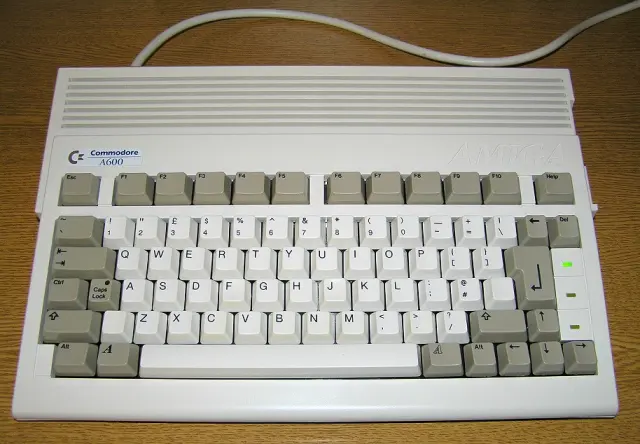
Commodore's official schematics, the Amiga PCB Explorer tool, and community repair accounts provide a framework for diagnosing A600 faults, from degraded capacitors to subtle failures in the analogue circuitry.
Read article ↗
Editorial team illustration · RetroPause
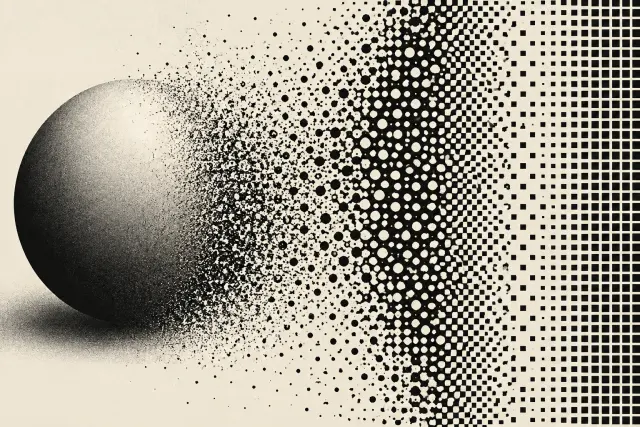
Floyd–Steinberg, Atkinson and Bayer turn continuous tones into black-and-white pixel patterns, but each arranges those dots differently. Their technical differences explain both the continuing uses of dithering and its visual association with the early Macintosh.
Read article ↗
Editorial team illustration · RetroPause
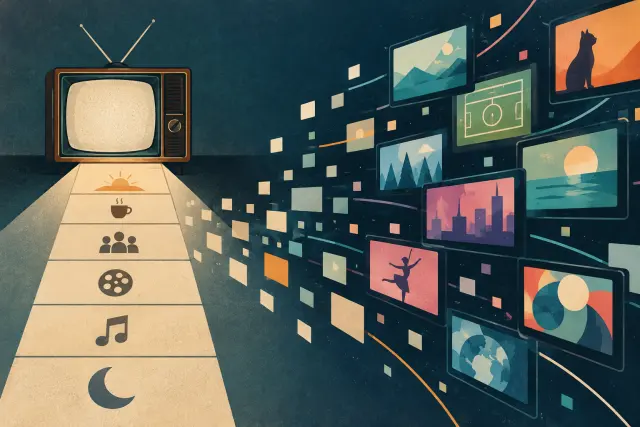
When only a few channels were available, television schedules shaped daily routines. Private broadcasters, remote controls and home video later expanded viewers’ choices over what to watch and when.
Read article ↗
Editorial team illustration · RetroPause
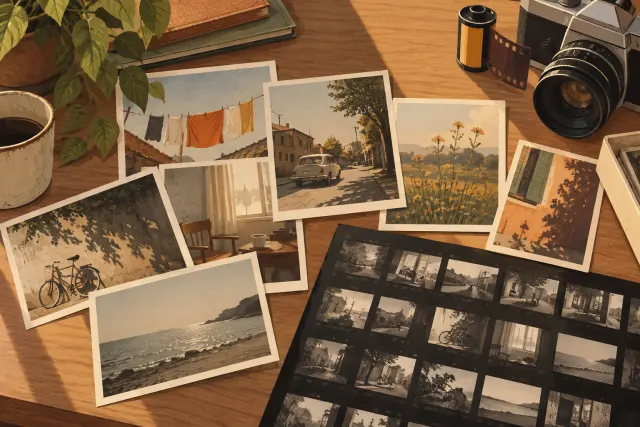
In the 1970s, photography expanded its reach: artists used it to observe everyday life, explore intimacy and identity, and question how images are made. Staged actions and sequences in books and exhibitions also changed how individual photographs could be read.
Read article ↗
Editorial team illustration · RetroPause
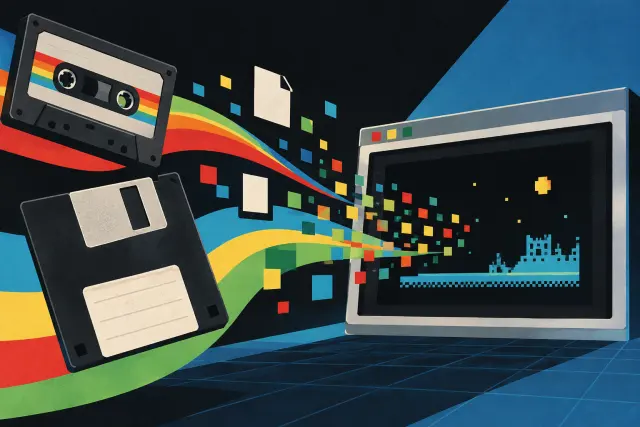
World of Spectrum Classic and Spectrum Computing help locate programs and documentation, but a catalogue record does not always mean a file is available. This guide explains how to identify tape images, snapshots and disk formats, then open them in Fuse with the appropriate emulated machine.
Read article ↗
Editorial team illustration · RetroPause
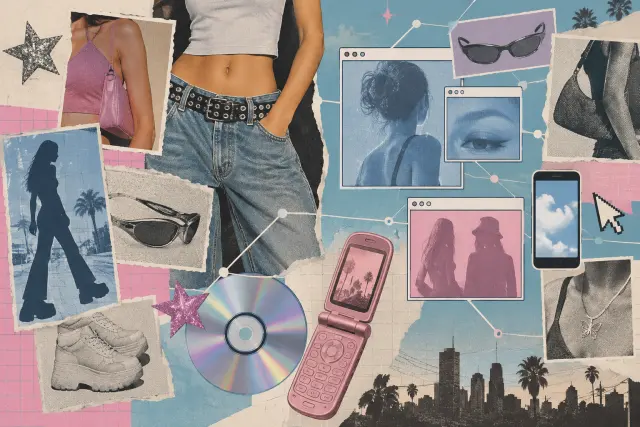
Low-rise jeans, coveted bags and boho styling marked a decade in which magazines, paparazzi and blogs moved fashion images with new speed. Runway, music and shopping became closely linked, even though celebrity photographs never represented everyone’s experience.
Read article ↗
Editorial team illustration · RetroPause
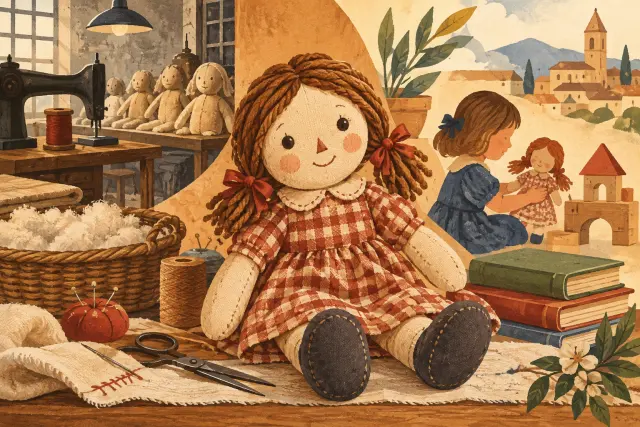
The renewal of textile toys in Spain, which began during the First World War, made fabric dolls key items in the industry and in children’s culture. This article examines their role as attachment objects and carriers of social imaginaries, distinguishing Pere Capellà Simó’s historical synthesis from the material example of a doll documented in Guadalajara in 1984.
Read article ↗
This is the preserved newsletter snapshot. Linked articles may receive subsequent corrections.