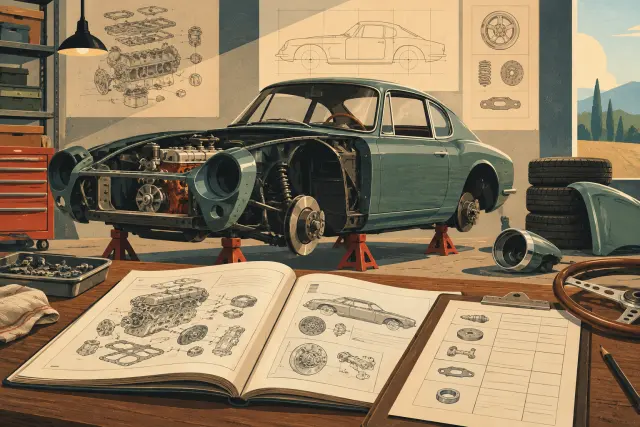
What the engine keeps when it stops rolling
Analyzes how motor museums transform vehicles into cultural archives, distinguishing between inherited reputation and verifiable characteristics through technical and contextual documentation.
Open storyArchive of technology, entertainment and everyday life
Analyzes how motor museums transform vehicles into cultural archives, distinguishing between inherited reputation and verifiable characteristics through technical and contextual documentation.
Open storyArchives, objects and contexts help explain cinema history, but they do not replace films or, on their own, reconstruct how films were received in theatres and on video. The available sources let us draw that boundary and ask better questions.
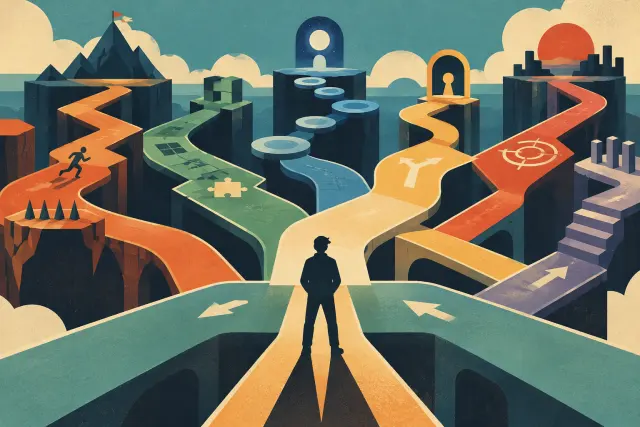
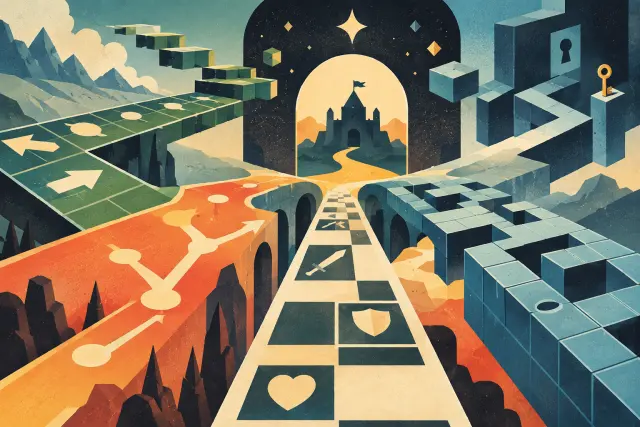
Open storyClassifying video games means looking first at their actions and rules. The adventure genre shows both the usefulness of these labels and their limits.
Open storyGenre becomes clearer when we look at the actions and constraints that organize play. A setting matters, but it cannot classify a game on its own or tell us how players experienced it.
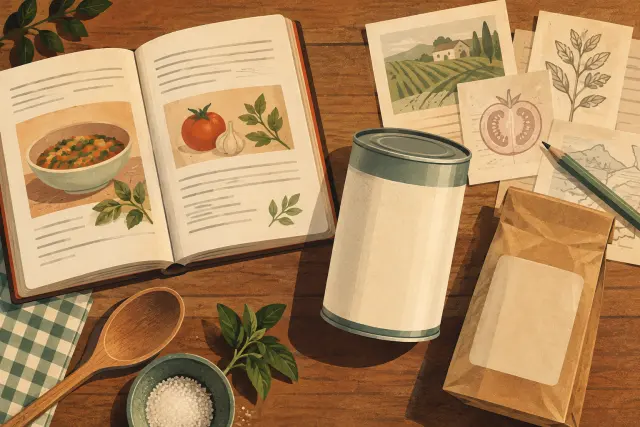
Open storyRecipes, packaging and archival documents offer different kinds of evidence about food. Separating them helps distinguish commercial promotion from everyday practice without asking any one source to prove more than it can.
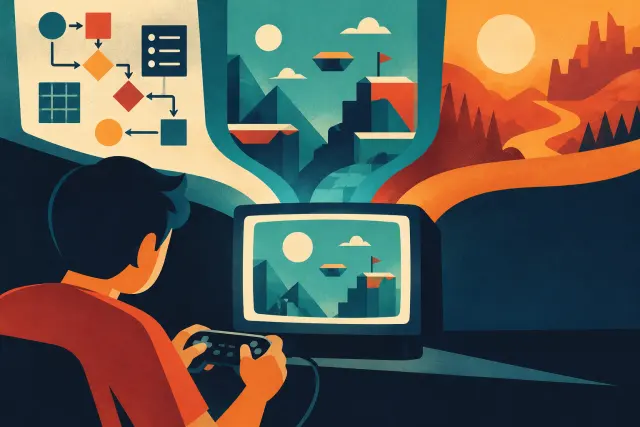
Open storyA reading of video game genres through rules and play practices: images and labels can guide us, but they cannot fully describe how a game is played.
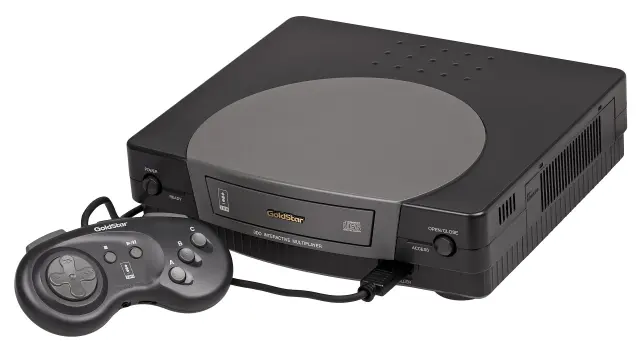
Open storyThe 3DO case illustrates an unusual industrial-design and business decision: offering hardware specifications that third parties could license instead of limiting manufacture to one company. The available documentation also makes clear where claims about that strategy must stop.
Open storyArchives, collections and studies of everyday history offer ways into social practices, but each document shows only part of the picture. A careful reading separates what is recorded from what cannot be claimed.
Open storyA negative or print does not tell its whole story. Recording process, support and context helps describe what we see without confusing available information with what the image proves.
Open storyCatalogues and accounts can blur specifications and reputations. A documentary approach to mobility starts by separating what a source measures from what it can establish about a vehicle’s uses.
Open storyTelevision archives make older programmes accessible again, but preserving a broadcast and making it available are different tasks. RTVE offers a way to explore what an archive can—and cannot—tell us about Spanish television from 1970 to 2000.
Open storyA museum’s early presence on the internet and the later preservation of websites raise a shared question: what deserves to remain when digital material changes or disappears?
Open story