Analysis · 1970
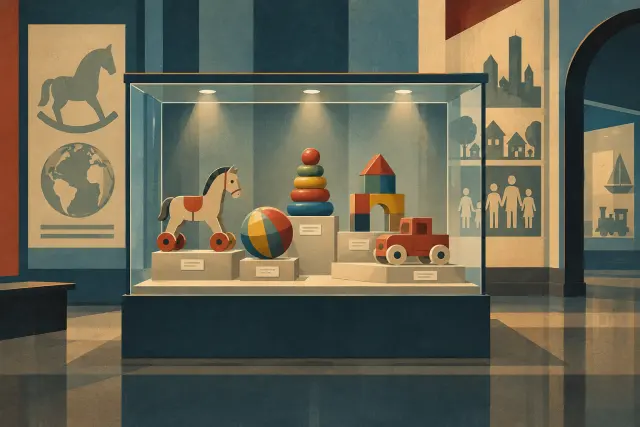
Toys as social documents in museum collections
Toy preservation transcends material rarity by integrating social history and domestic use, transforming everyday objects into archives of daily life.
Open storyArchive of technology, entertainment and everyday life
Toy preservation transcends material rarity by integrating social history and domestic use, transforming everyday objects into archives of daily life.
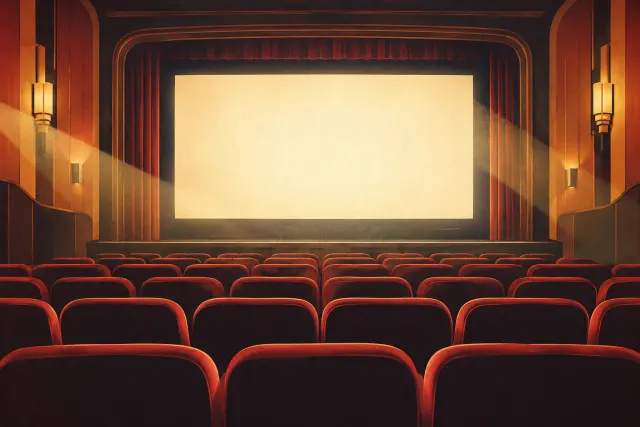
Open storyExamines how 1970s film reception was defined by the shared experience in the theater, integrating cultural context and projection technology.
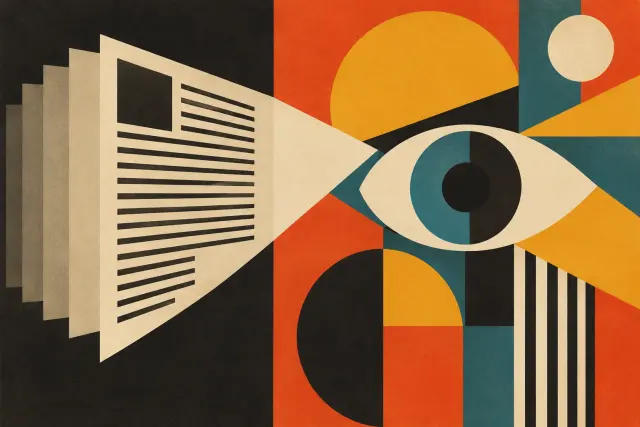
Open storyAn analysis of the 1970s advertising transition, where visual creativity replaced technical description to occupy a specific mental space in the consumer.
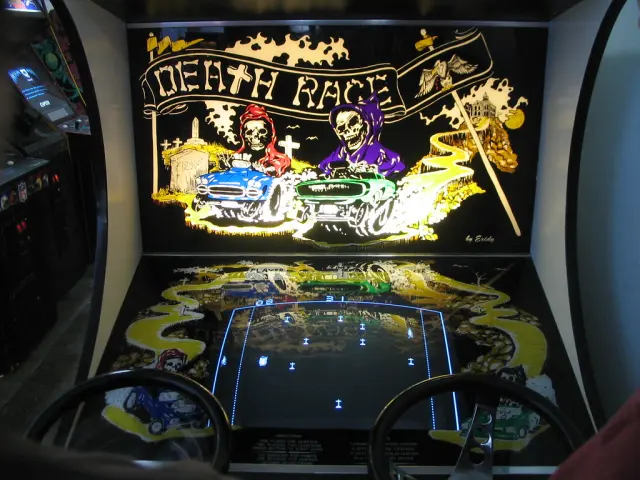
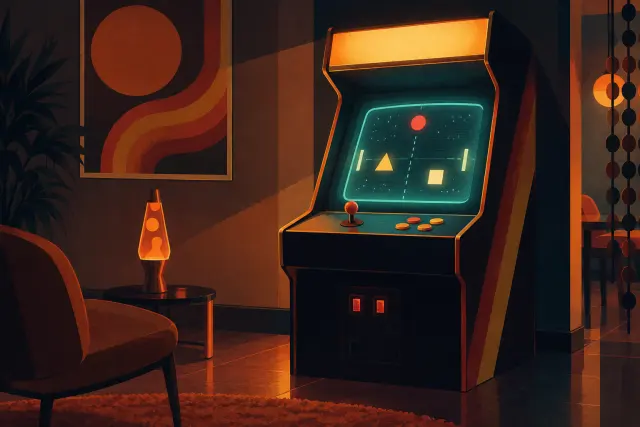
Open storyWe analyze the cultural impact of Death Race, the Exidy game that, by incorporating explicit destruction mechanics, sparked the first public protests over violence in video games.
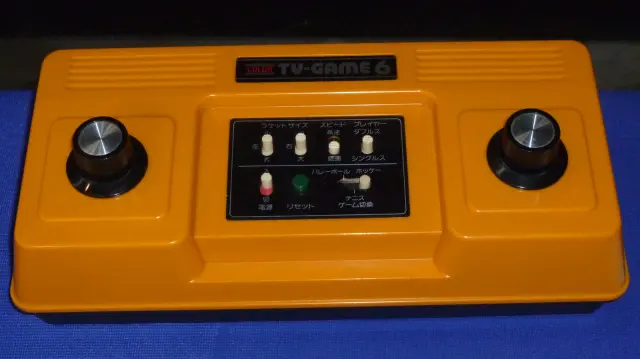
Open storyBeyond the myth of a single first console, analysis of the Color TV-Game line reveals a dual 1977 strategy that defined the Japanese market before global expansion.
Open storyBeyond hit lists, the materiality of the vinyl record and radio defined a listening structure that conditioned musical production and cultural identity of the decade.
Open storyBetween academic simulations and arcade machines, the 1970s defined the transition of video games into a mass cultural phenomenon.
Open storyThe birth of The Comics Journal in 1976 was not just editorial, but a cultural act of definition. We analyze how the collaboration between Gary Groth and Robert Crumb transformed the perception of the graphic medium from commercial promotion to academic analysis and historical reflection.
Open storyBeyond the 1970s, the adoption of refrigerators and gas stoves transformed time and food management in Argentina, a process that extended from 1920 and varied according to socioeconomic conditions.
Open storyAn analysis of how the 1970s shifted advertising focus from rational persuasion to visual strategy, consolidating graphic design as a communication tool rather than mere ornament.
Open storyBeyond narrative, the 1970s saw how projection technology and cultural context redefined the cinematic experience, laying the groundwork for the medium's future.
Open storyHow visual saturation and the need for differentiation transformed graphic design from a descriptive tool into an autonomous persuasive medium during the 1970s.
Open story