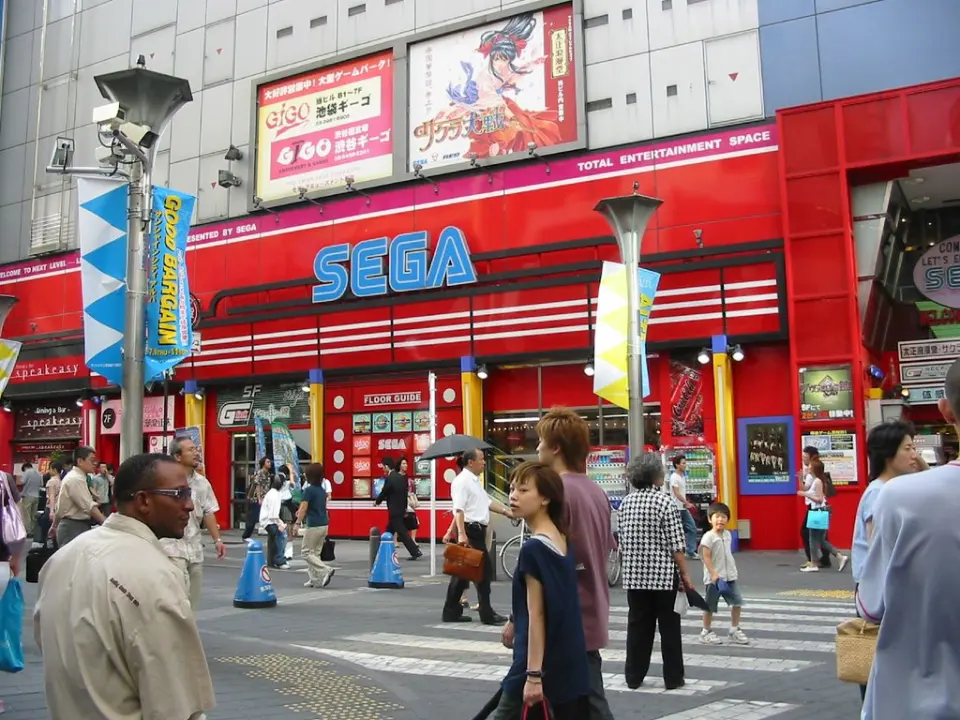
A company founded in Japan in 1960. The evidence consulted places its first arcade game, Periscope, in the late 1960s and describes its history in the arcade business.
Selected excerpts from our archive offer more context on this subject. Each reading links to the original article and its sources.
How the Mega Drive reshaped Sega's global strategy
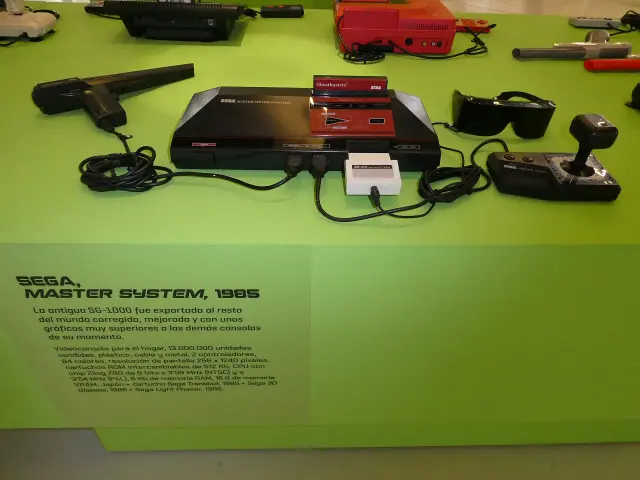
Sega's history in the 1980s is defined by a fundamental strategic transition. Founded in 1960 by Martin Bromley and Richard Stewart as Nihon Goraku Bussan, the company quickly consolidated its position in the arcade machine sector. After acquiring Rosen Enterprises in 1965 and adopting the name Sega Enterprises, Ltd., the firm developed its first arcade, Periscope, in the late 1960s. However, the decline of the coin-op business in the early 1980s forced Sega to seek new revenue streams, leading the company to enter the video console market with the SG-1000 and the Master System.
Sega's entry into the home market was not easy. The company had to face off against Nintendo's NES, which dominated the sector. In 1984, executives David Rosen and Hayao Nakayama undertook a takeover of the company's leadership with the backing of CSK Corporation, a move aimed at strengthening Sega's position in an increasingly competitive market. This change in leadership laid the groundwork for the launch of its next major console, the Mega Drive, known as the Genesis in North America.
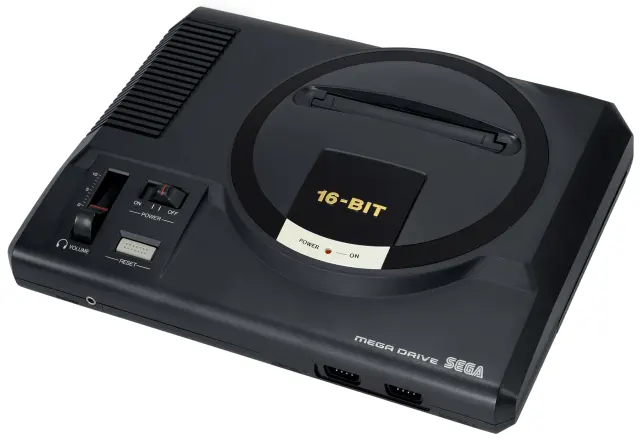
The Mega Drive was released on July 29, 1988, in Japan and August 15, 1989, in the United States. Its architecture was based on a Motorola 68000 processor, which allowed for 16-bit graphics and stereo sound, features that significantly differentiated it from the NES. This technological leap positioned the console as a more advanced option for players seeking a superior visual and auditory experience.
A console's success depends heavily on its game catalog. The Mega Drive debuted with titles that had already gained popularity in arcades, such as Streets of Rage and Phantasy Star. However, it was the release of Sonic the Hedgehog in 1991 that truly catapulted the console to fame. This character became Mario's direct rival and the symbol of Sega's identity in the West.
Console History Does Not Fit in a Bit Race
Names also changed by market. Timetoast notes that Sega’s console was called Genesis in the United States and Mega Drive elsewhere, and mentions an accessory providing Master System backward compatibility. Such details discourage absolute claims about a machine’s singular experience. Its name, available accessories, and perceived library depended on region and local supply.
KEY FACTS
- Type
- Company
- Year
- 1960
- Country or region
- Japan
References
- Segaes.wikipedia.org