Documentary record of arcade halls, connected to the archive’s verified stories, dates and resources.
KEY FACTS
- Type
- Place
- Year
- 1971
Documentary record of arcade halls, connected to the archive’s verified stories, dates and resources.
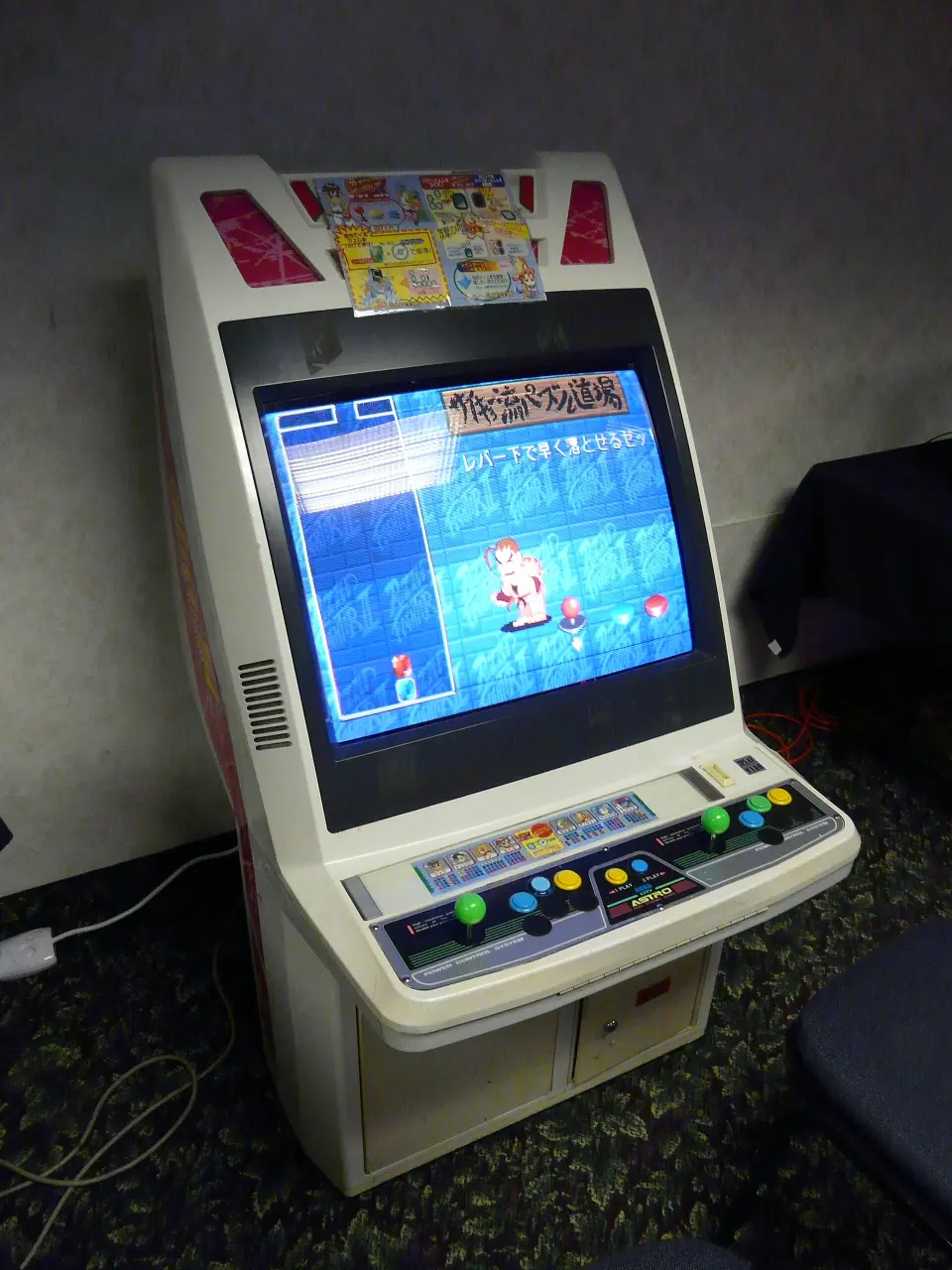
The 1990s transformed video games without replacing one platform with another overnight. 3D graphics, CD-ROMs, personal computers, and early networked communities broadened the medium, while arcades retained experiences that were difficult to reproduce at home.
Open storyVideo game history is more than a succession of increasingly powerful machines. Shared computers, arcades, home systems, and networks encouraged different rhythms and rules, from text-based exploration to repeatable action and persistent multiplayer worlds.
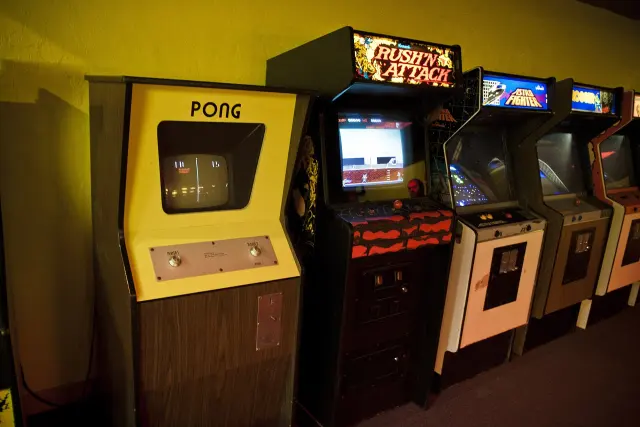
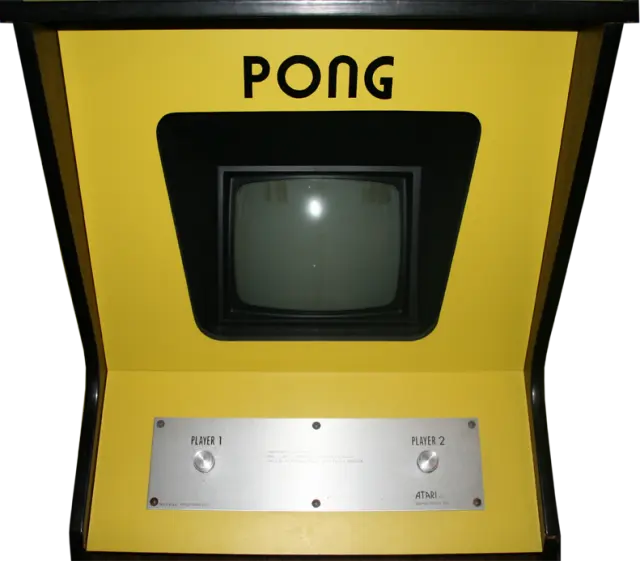
Open storyPong’s story is often compressed into the beginning of an industry. The available evidence supports a more specific account: how a game associated with arcades came to represent the possibility of playing in front of a home television too.
Open storyMuseums, libraries and archives approach video games as cultural heritage. The available documentation encourages looking beyond the machine, without mistaking preservation initiatives for evidence about every work or play experience.
Open storyDisplaying video games in a museum is not just a matter of exhibiting machines: it also shapes which aspects of this culture become visible. The available sources point to a history of institutional interest and different ways of addressing design and industry, though they are not enough to reconstruct a complete chronology on their own.
Open storyPong is often used as an entry point to the commercial history of video games. Drawing cautiously on the available evidence, this article traces its association with arcades in 1972 and Atari’s later move toward a home version, separating documented details from broader interpretations about the medium’s growth.
Open storyMuseums, archives and collections show that preserving video-game history requires attention to machines, software, publications, promotional material and the cultural contexts that give them meaning.
Open story