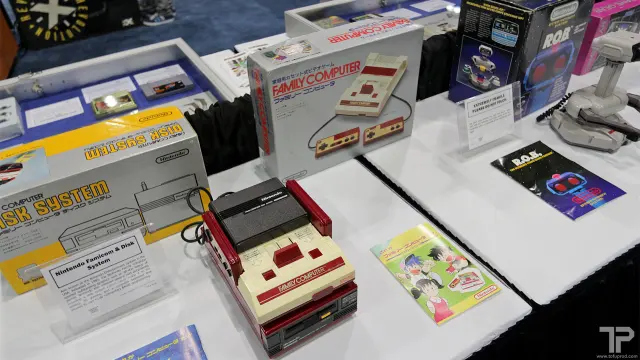
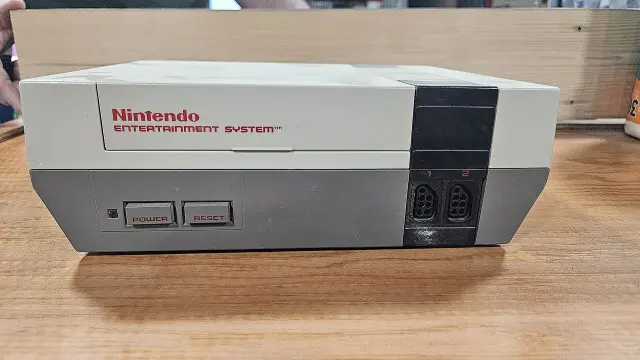
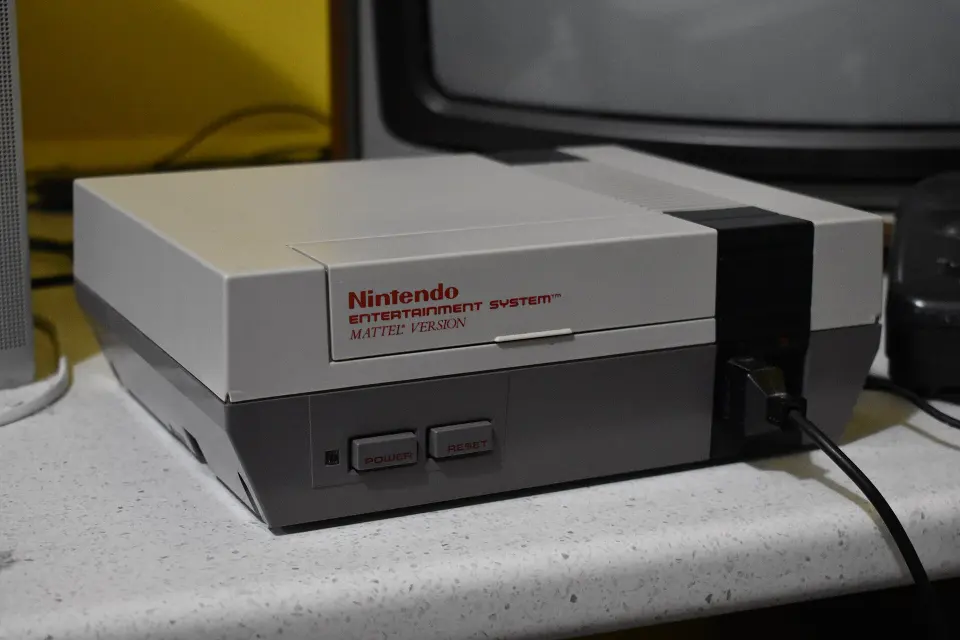
Nintendo home console designed by Masayuki Uemura. It launched in Japan in 1983 as the Family Computer, abbreviated Famicom; the Western version received a redesign inspired by a video cassette recorder.
Selected excerpts from our archive offer more context on this subject. Each reading links to the original article and its sources.
Console History Does Not Fit in a Bit Race
The most significant limitation is the focus on bits. UPC’s university source describes early-1990s competition as a 16-bit generation involving Mega Drive, Super Nintendo Entertainment System, PC Engine/TurboGrafx, CPS Changer, and Neo Geo. Yet the encyclopedic explanation in the supplied evidence warns that processor power is not determined by data-bus width alone: structure and speed matter too. Bits were a highly visible commercial label and cultural shorthand; treating them as a sufficient measure of experience or historical importance would be reductive.
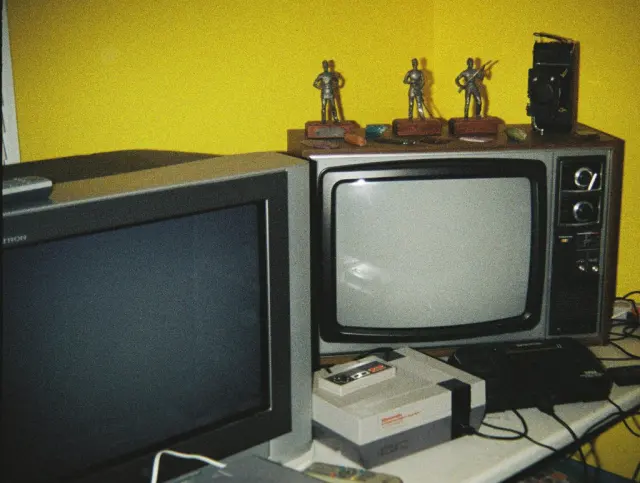
The familiar chronology places a video-game crisis in 1983, chiefly in the United States and Canada; UPC states that it did not end until 1985. In the same account, Japan is linked to the success of Nintendo’s Famicom, launched in 1983 and known in the West as the Nintendo Entertainment System. The supplied Wikipedia material further gives 15 July 1983 for the first Famicom version.
The NES Makes Sense as Console, Cartridge, and Market
The Nintendo Entertainment System often survives in memory as a recognizable console. Yet treating it only as a self-contained object leaves out much of what using it involved: the system also included cartridges and the games they made available. The machine’s architecture, physical medium, and library are not separate subjects. Taken together, they help explain how a platform shaped the experience of domestic videogames.
KEY FACTS
- Type
- Console
- Year
- 1983
- Country or region
- Japan
References
- Nintendo Entertainment Systemes.wikipedia.org