Documentary record of the Commodore 64 home computer, connected to the archive’s verified stories, dates and resources.
Selected excerpts from our archive offer more context on this subject. Each reading links to the original article and its sources.
Console History Does Not Fit in a Bit Race
These points do not justify treating the entire world as one market that collapsed and recovered at the same pace. UPC contrasts Japanese Famicom success with a Europe inclined toward home computers such as the Commodore 64 and Spectrum. That contrast matters. Domestic-console history cannot be written solely from the U.S. market or from a list of Japanese hardware. In some homes and territories, the relevant competitor was not another console but the home computer.
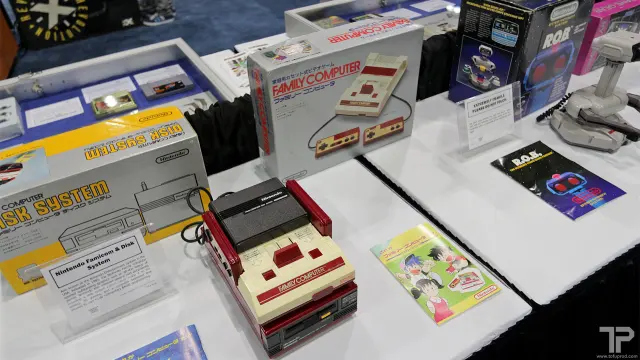
The Architecture of Leisure: Deconstructing the Famicom
Technical documentation mentions the use of processors like the MOS 6502 in several consoles and computers of the era, including the NES/Famicom and the Super NES/Super Famicom. This component was not exclusive but part of a family of architectures that also equipped devices like the Commodore 64 or the Apple II. The choice of this processor underscores the importance of technical architecture in defining hardware capabilities. By sharing components with other systems, the Famicom inserted itself into a network of compatibilities and limitations that developers had to navigate. This technical reality conditioned the type of games that could be created, establishing a common programming language that transcended brands.
KEY FACTS
- Type
- Computer
- Year
- 1982