Editorial team illustration · RetroPause
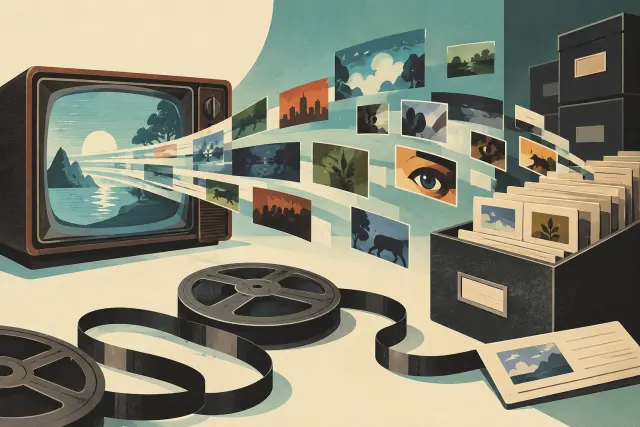
Television began as broadcast and flow, not as a record meant to endure. Archives in Argentina and Colombia show why preserving its images also means documenting formats, schedules, production contexts and traces of reception.
Read article ↗
Editorial team illustration · RetroPause
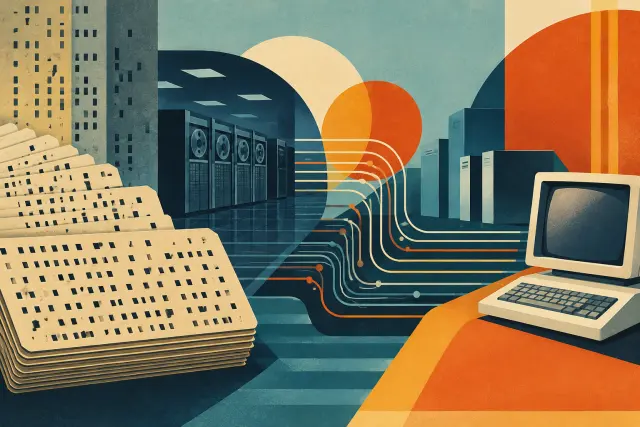
IBM’s history across five distinct shifts: punched-card tabulation, electronic calculation, the 650’s magnetic drum, the System/360 family and the PC 5150. The story is not one of uninterrupted compatibility, but of changing ways to organize computing and its markets.
Read article ↗
Editorial team illustration · RetroPause
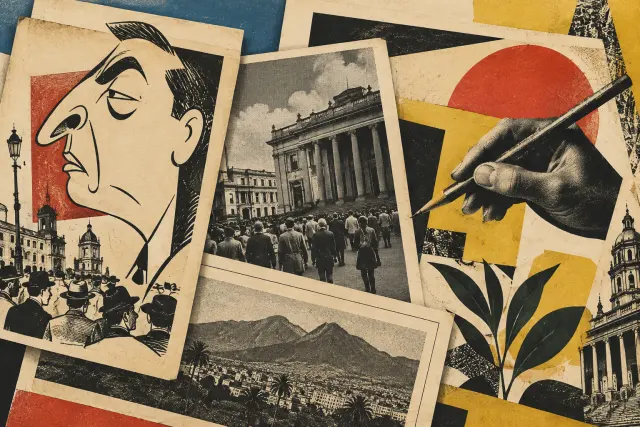
Between 1910 and 1931, El Gráfico, Cromos and Universidad brought caricature, photography, poetry and art together in a press shaped by political conflict. César Ayala Diago examines how their pages made artists visible while also projecting a selective image of the country.
Read article ↗
Editorial team illustration · RetroPause
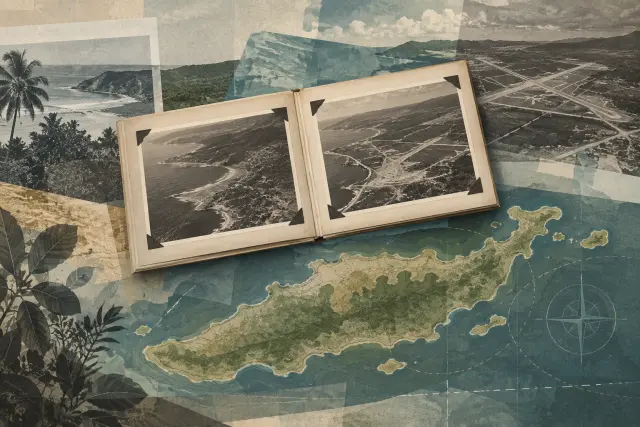
More than 700 photographs taken by the Catanzaro family in Vieques between 1941 and 1942 offer a view of daily life and military presence on the island. Preserved by the Vieques Historical Archive, they also tell a story of confiscation, preservation, and community memory.
Read article ↗

Editorial team illustration · RetroPause
The expansion of the Internet created genuine opportunities, but many companies depended on continued financing before proving they could sustain their operations. Pets.com, eToys and 360networks show why the 2000–2001 downturn did not produce a single kind of business failure.
Read article ↗
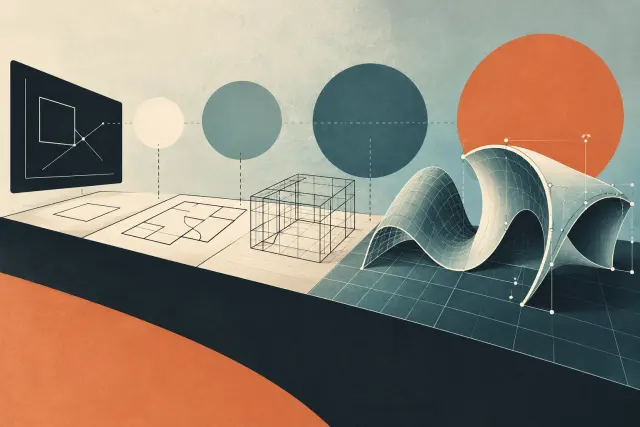
Editorial team illustration · RetroPause
Introduced in 1982, AutoCAD brought computer-aided drafting to microcomputers. Its history becomes clearer alongside Sketchpad, which explored direct drawing on a screen, and Rhino, later associated with NURBS modeling.
Read article ↗
This is the preserved newsletter snapshot. Linked articles may receive subsequent corrections.