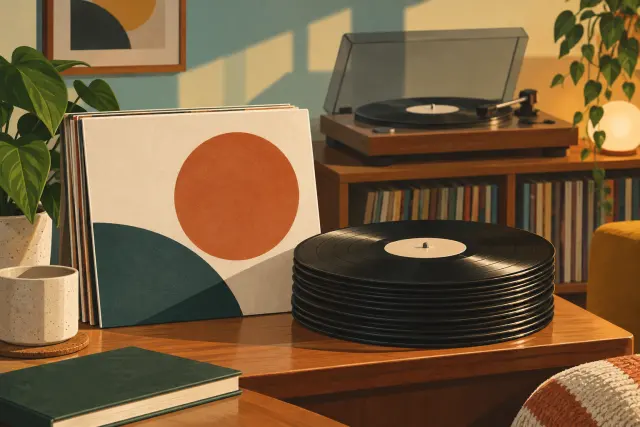
Editorial team illustration · RetroPause
A practical guide to choosing records you want to hear, identifying editions and formats, judging condition, buying within your budget, and caring for both the music and its sleeves.
Read article ↗
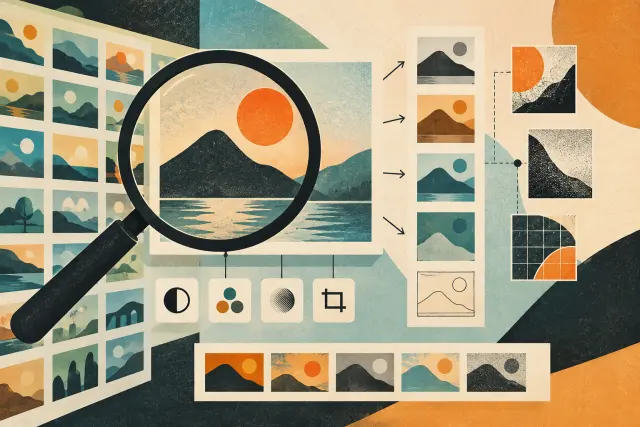
Editorial team illustration · RetroPause
Finding images by keyword, identifying what they depict, and locating other versions are different tasks. Learn how to approach each with Google Lens, Bing Visual Search, and TinEye—and how to interpret the results.
Read article ↗

Editorial team illustration · RetroPause
From its founding with state majority ownership and Fiat technology to its integration into Volkswagen, SEAT traces the transformation of Spain’s car industry. The 600 and Ibiza, along with the move to Martorell, reveal how the company’s scale, partnerships and identity changed.
Read article ↗
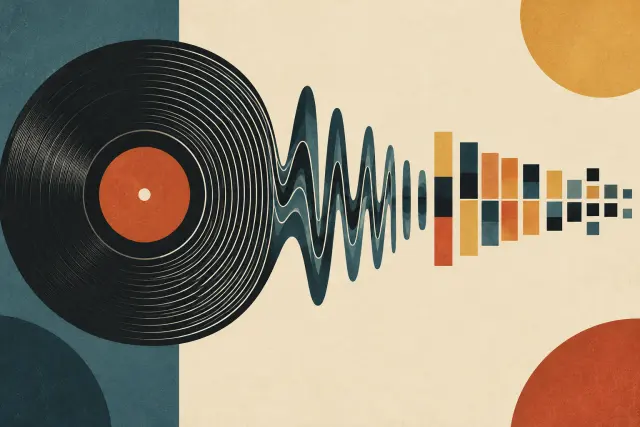
Editorial team illustration · RetroPause
The shift from shellac 78s to vinyl microgroove records did more than increase playing time: it helped establish the album while the 45-rpm single developed alongside it. Material, speed and design shaped new ways of releasing and listening to recorded music.
Read article ↗
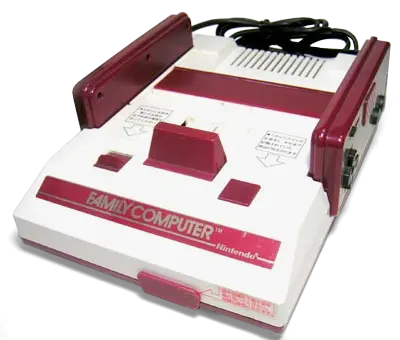
Famicom.jpg: Gleam (会話 | 投稿記録) derivative work: Alphathon™ (talk) · Wikimedia Commons · CC BY-SA 3.0 · CC BY-SA 3.0
Released two years apart, the Famicom and NES shared the foundations of a cartridge console but offered different ways of playing and of understanding the machine at home. The North American redesign changed its appearance, controllers and marketing strategy; the music of its early games also turned technical constraints into a distinctive language.
Read article ↗
This is the preserved newsletter snapshot. Linked articles may receive subsequent corrections.