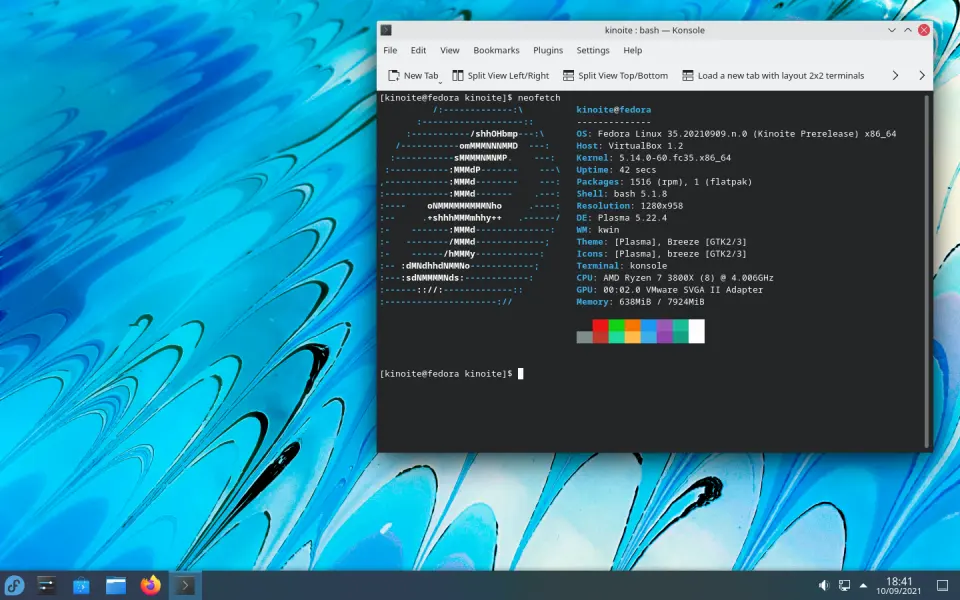
A family of operating systems built from contributions by projects including GNU, started in 1983, and the Linux kernel, begun in 1991. The source distinguishes the Linux kernel from the complete GNU/Linux system.
Selected excerpts from our archive offer more context on this subject. Each reading links to the original article and its sources.
Old Software Museums: Preserving Is Not the Same as Being Able to Run It
Virtual OS Museum offers a different answer: bringing systems closer through a complete virtual machine. Xataka says the project is distributed for VirtualBox, QEMU, or UTM, with GNU/Linux and the Xfce desktop installed. When started, it opens a launcher developed by Warkentin from which the visitor chooses a system to explore.
When Preserving Software Means Being Able to Run It
Virtual OS Museum turns this idea into a practical mode of access. The supplied information describes more than 1,700 installations representing over 600 operating systems across more than 250 platforms. It is distributed as a complete virtual machine for VirtualBox, QEMU, or UTM, with GNU/Linux and the Xfce desktop. On startup, a launcher developed by Warkentin lets users choose a system to explore.
KEY FACTS
- Type
- Operating system
References
- GNU/Linuxes.wikipedia.org