How to Tell the History of Anime: Industry, Circulation and Caveats
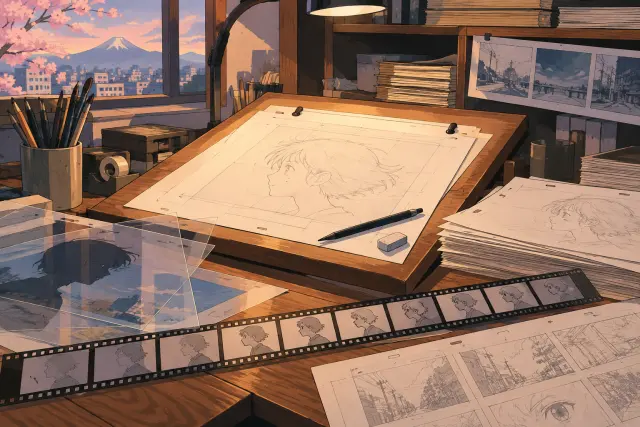
An introductory look at milestones in Japanese animation and its circulation, attentive to source discrepancies and to what the available evidence can support.
Open storyArchive of technology, entertainment and everyday life
An introductory look at milestones in Japanese animation and its circulation, attentive to source discrepancies and to what the available evidence can support.
Open storyA critical reading of several timelines and round-ups finds software, personal computers, and peripheral connections among the milestones highlighted in late-twentieth-century computing. The sources show how such lists are constructed, but are not enough to establish a comprehensive history or definitive ranking.
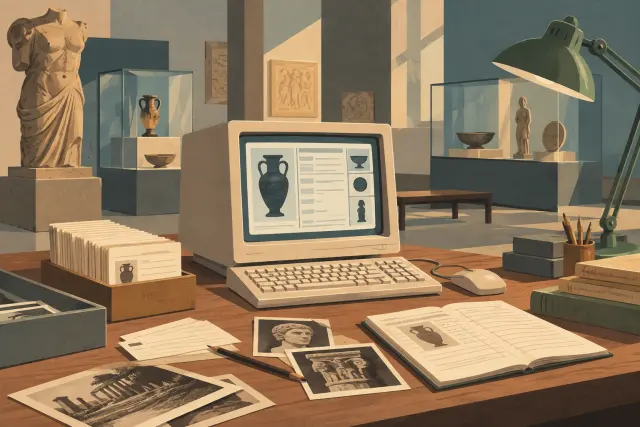
Open storyComputers can help document and manage collections, while also being heritage objects whose histories depend on preserving associated information. An evidence-led look at museum documentation and the Museum of Computing History.
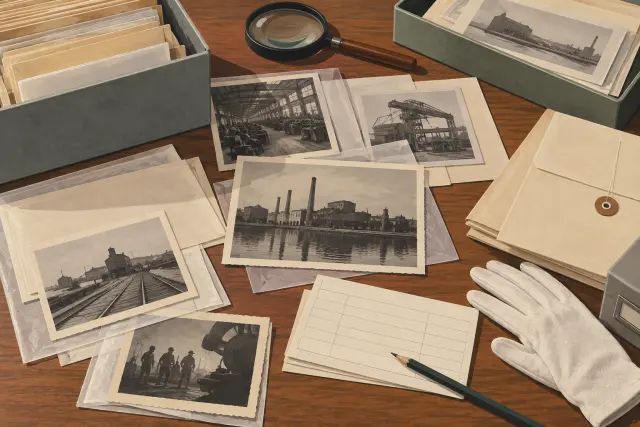
Open storyAn image may clearly show a factory, a street or a group of workers and still leave unanswered who produced it, why, and how it reached us. Photographic archives make it possible to read images as part of a documentary activity, not merely as isolated scenes.
Open storyThe history of the early Internet cannot be reduced to the arrival of the World Wide Web. Email, remote access, file transfer, discussion groups and projects such as Gopher reveal a network with varied uses and ways of organizing information.
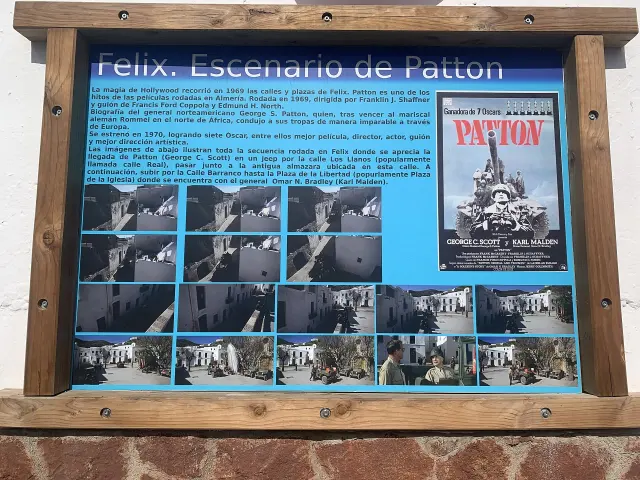
Open storyCinema can help us study how events are represented and remembered, but a film is not a transparent record of the past. Drawing on studies of cinema and history and references to films such as Patton (1970) and Nicholas and Alexandra (1971), this guide distinguishes event, representation, and memory, while observing the limits of what the available sources can establish.
Open storyVirtual software museums and libraries do more than gather programs: they offer ways to run and explore them again. The Virtual OS Museum, WinWorld and resources mentioned in user communities illustrate different routes to access, while the available evidence also makes it important to distinguish a collection from a working installation or a complete historical experience.
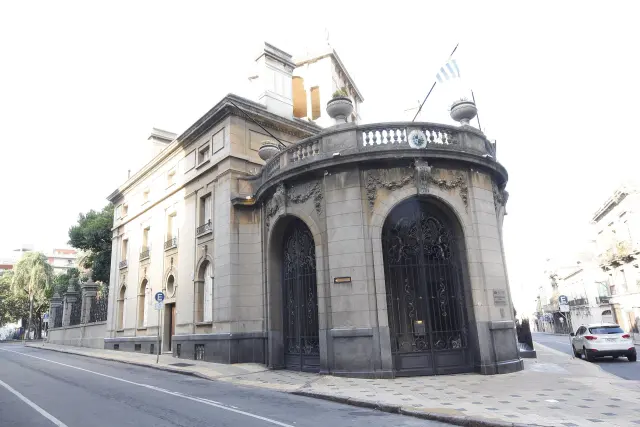
Open storyThe history of Spain’s National Museum of Decorative Arts traces a change in perspective: from promoting industrial and craft products to studying objects in their contexts of production, consumption and meaning. Its archives and institutional accounts also show which parts of that story can be established—and which require further documentation.
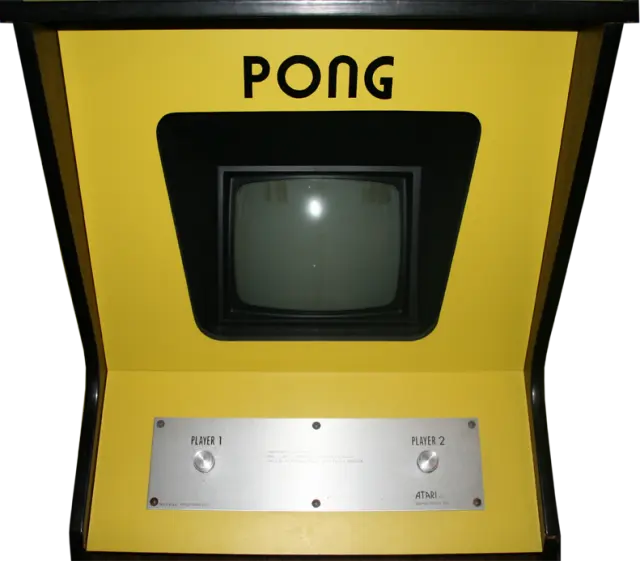
Open storyPong is often used as an entry point to the commercial history of video games. Drawing cautiously on the available evidence, this article traces its association with arcades in 1972 and Atari’s later move toward a home version, separating documented details from broader interpretations about the medium’s growth.
Open storyA look at several Spanish collections shows that an automobile museum preserves more than vehicles: it can also bring together engines, components, documents and context to explain the history of technology and society. The available information allows a comparison between MAUTO and the Torrejón de Ardoz automobile collection without conflating their origins or aims.
Open storyA comics magazine is more than a container for comics: its periodicity, mix of content and relationship with newsstands have shaped how stories are published and read. This article considers what can be established about its history and changes without conflating it with the album or graphic novel.
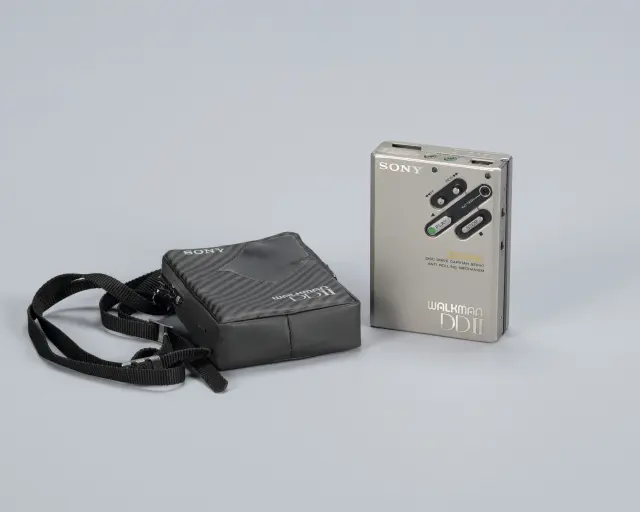
Open storyA cautious reading of two documented moments in the history of recorded music: the Museu de la Música de Barcelona’s acquisition of phonographs and gramophones in 1970, and the Walkman’s introduction as a portable stereo player in 1979. The comparison highlights changes in scale and use without mistaking the available evidence for a complete history of the format.
Open story