Clothing as material culture
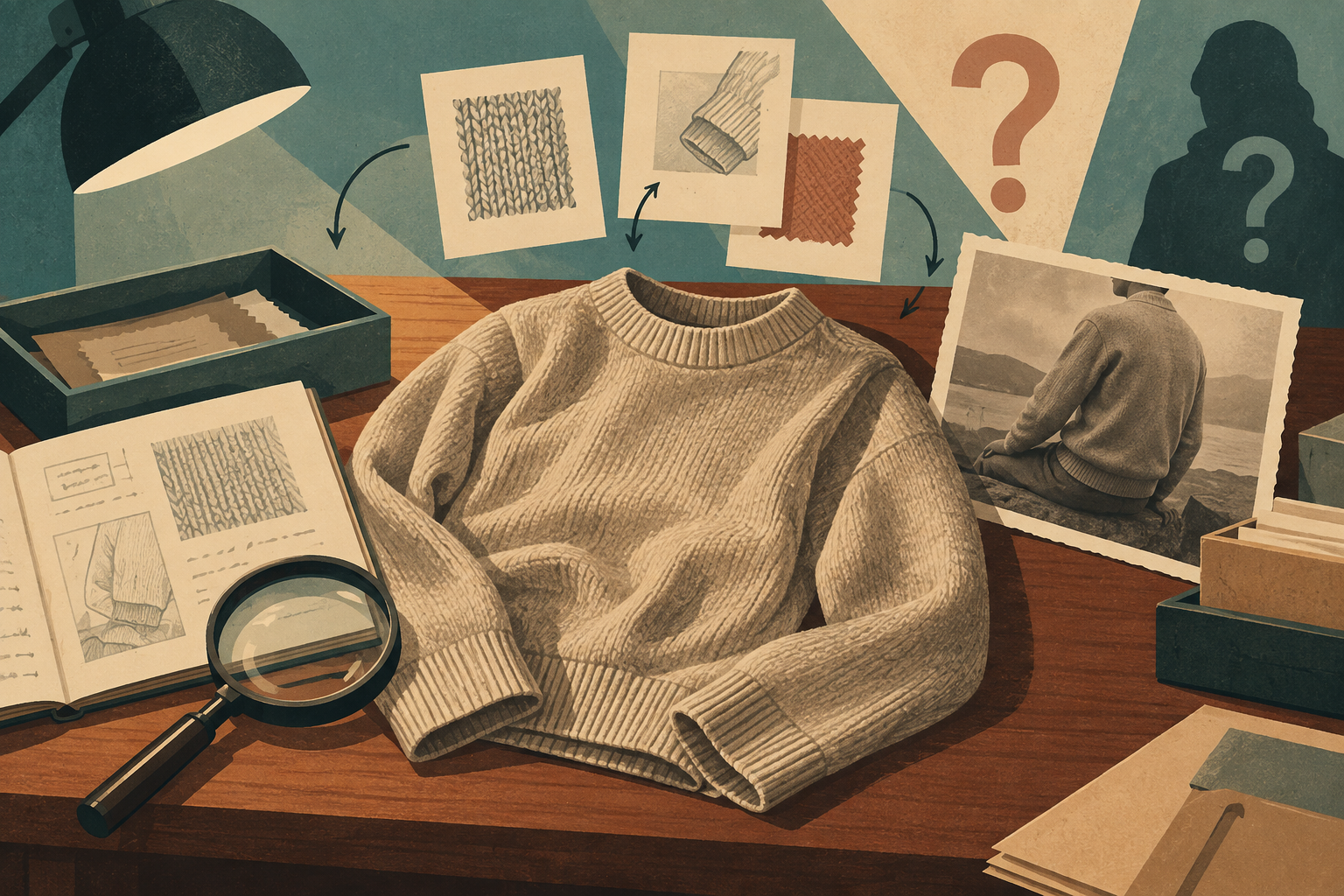
A preserved garment is a specific object, not a complete portrait of the society that made or used it. Its presence in a collection makes it possible to study it as material culture, but does not by itself establish who wore it, how often, or what it meant to each person. Research into dress should distinguish what can be observed from the object from what still needs documentation.
The Museo del Traje description presents its collections as part of Spanish material culture shaped by specific historical, economic and social conditions. This is a useful perspective because it places dress in context rather than treating it as a self-contained succession of trends. But the available summary does not identify individual garments or provide specific accounts of use. We should not assign an object a wearer, occasion or history that the source does not document.
Design is not the same as use
One source defines fashion-design history through attention to the purpose and intention behind garments, shoes, accessories, and their design and construction. That is a relevant starting point for asking how an object was conceived. It does not automatically answer a different question: how it was used after leaving the design process.
These questions should remain distinct. Descriptions of materials, form or construction can help analyse design; claims about use require other evidence, such as contextualised photographs, attributable testimony, production or circulation documents, and collection records. None should be presented as a substitute for the others. An advertisement, in particular, shows that an appearance was represented, not that it was usual.
Circulation and its limits
The general history of fashion among the supplied sources links the emergence of department stores and travelling fashion salespeople in the nineteenth century with changes to production and distribution during the Industrial Revolution. This gives researchers a framework for investigating how new styles might circulate. It is not enough to measure who had access to them or how different social groups adapted them.
The general timelines supplied also gather cultural, technological and social changes into broad narratives. They can provide orientation, but a list of milestones cannot replace examining objects and documents in context. A photograph of a garment, for instance, may record a particular person and occasion—but only when that information has been preserved and verified. Without identification and context, an image should not be treated as evidence of a collective custom.
Which sources show use?
The decisive editorial question is which source documents use and which records intention, sale or representation. A magazine may show a visual proposal; an advertisement, a commercial presentation; an identified photograph, a particular scene. Moving from that scene to a broader claim requires further sources and comparison that establishes the claim’s scope.
The material consulted here is panoramic: it offers an institutional description and historical overviews, but no set of photographs documenting use, detailed garment records or testimony transcripts. This article therefore does not assign garments to people or reconstruct an everyday wardrobe. Missing evidence cannot be filled with intuition; it sets the limit of what can be verified.
Keeping the questions open
Sound research may begin with a garment, but should leave open the questions its records cannot answer: who made it, who could acquire it, in what settings it was used, and what other sources could corroborate that account. Design analysis helps explain formal decisions; economic and social history provides frameworks for circulation; images and records of use can add specific contexts when they are identified.
The legacy of a collection is not a single answer to how a society dressed. It also lies in preserving objects that make new questions possible and allow them to be tested against different kinds of records. On the supplied evidence, we can defend this method and describe the broad scope of the sources consulted; we cannot write a detailed history of specific garments. Such caution does not impoverish fashion history: it prevents us from confusing what was preserved, what was represented and what was lived.
- Decade
- Contemporary
- Region
- Spain
- Level
- Introduction
- Entities
- Museo del Traje
Sources and references
- Historia del diseño de modas - Wikipedia, la enciclopedia librees.wikipedia.org · 2026-10-07
- Historia de la moda - Wikipedia, la enciclopedia librees.wikipedia.org · 2026-10-07
- Línea del tiempo de la moda: evolución histórica y tendenciases.accio.com · 2026-10-07
- Historia de la Moda: De la Corte Borgoñona a la Moda Digitalcronicum.com · 2026-10-07
- LA MODA EN LA HISTORIA - ÁREA 01 - Museo del Trajemuseodeltrajevirtual.com · 2026-10-07