The neighborhood as a scale of inquiry
Everyday life cannot be summed up in a single image or a description that applies to all residents. The materials gathered here make it possible to work at a more specific scale: neighborhoods studied through residents’ accounts, life stories, photographs, or oral history. Each case offers a situated point of entry, not a representative sample of every city or generation.
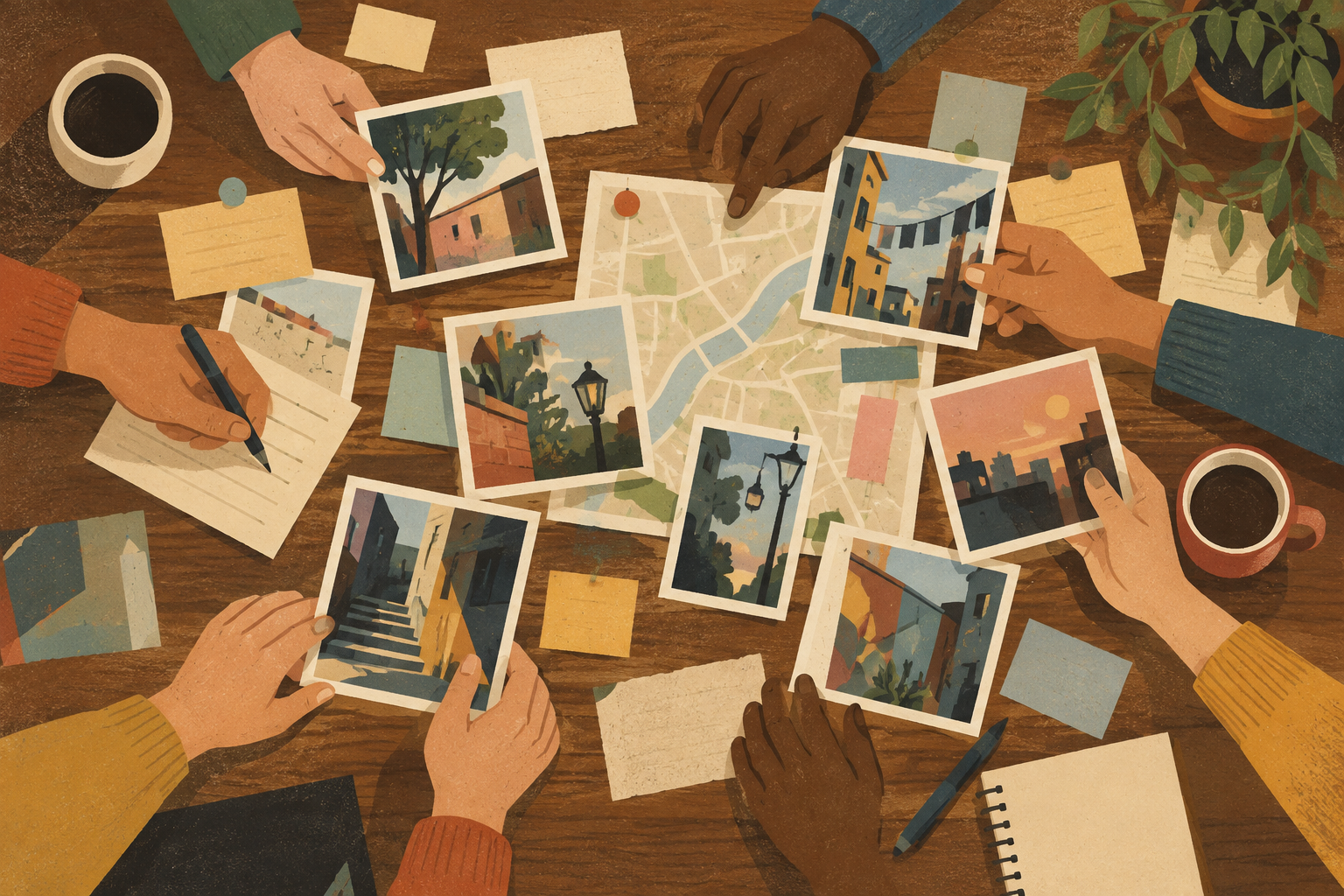
The editorial project Memorias. Historias de barrios contadas por sus habitantes concerns neighborhoods in Santiago and presents residents’ accounts and visual material as ways of understanding how identity and belonging are formed. Other records in the supplied evidence point to research on Managua’s 30 de Mayo neighborhood, Villa Javier in Bogotá, and El Vecino in Quito. Their value when read together lies in comparing approaches, not assuming they describe the same urban experience.
Who speaks, and what gets recorded
Residents’ accounts can make visible perspectives that do not always appear in institutional documents. But a recorded voice is not the voice of an entire neighborhood. The supplied material does not specify, in every case, how participants were selected, how many people were interviewed, or which groups were absent. Any reconstruction should therefore identify who is speaking and the limits of the record.
The study on Barrio Libertad says that it recovers the neighborhood’s history through personal and social accounts, and places its method within microhistory and oral history. The photographic book on El Vecino, in turn, describes a reconstruction of collective memory based on life stories. These descriptions support a reading of the stated methods; on their own, they are not enough to verify particular episodes of neighborhood life.
Images, memory, and caution
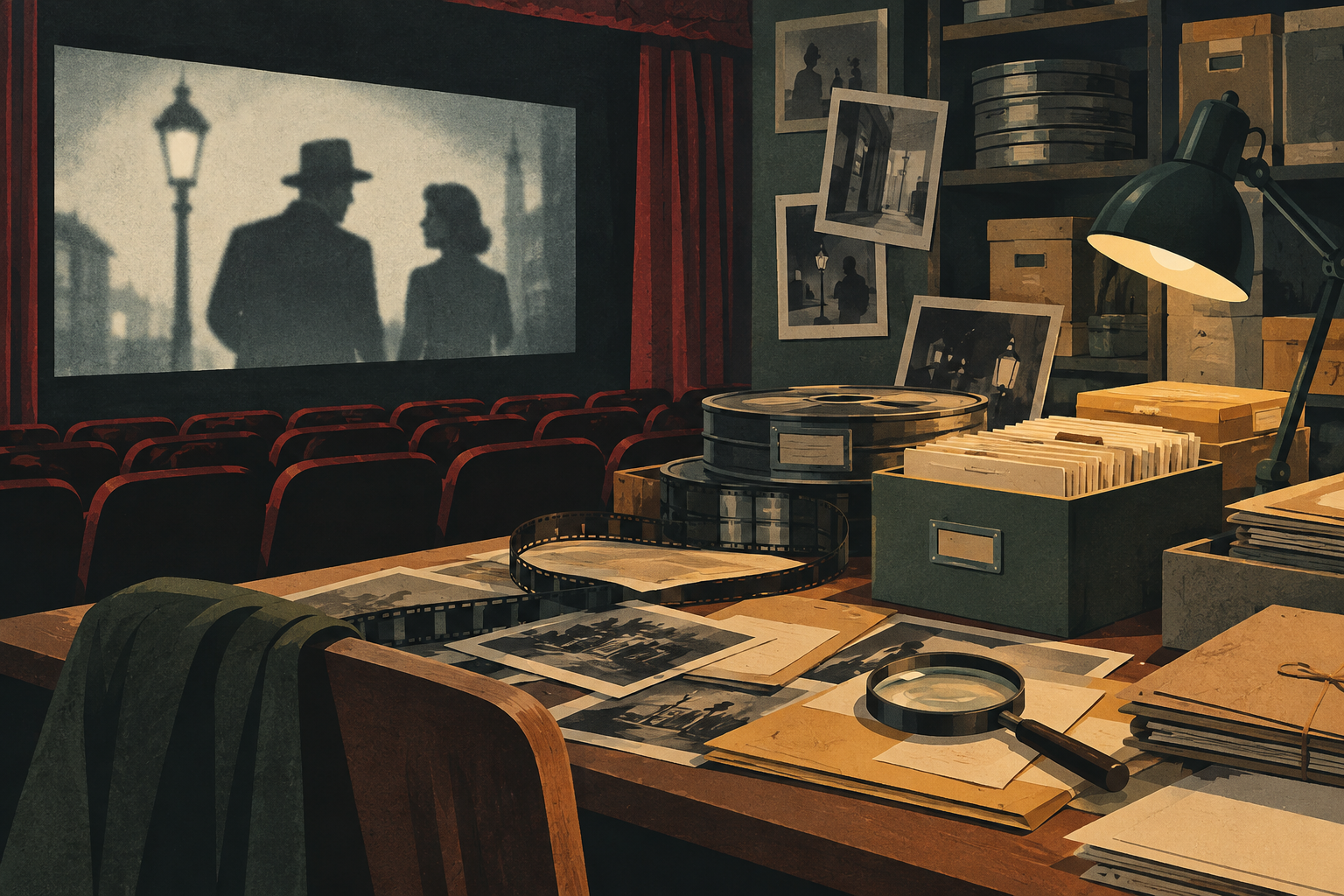
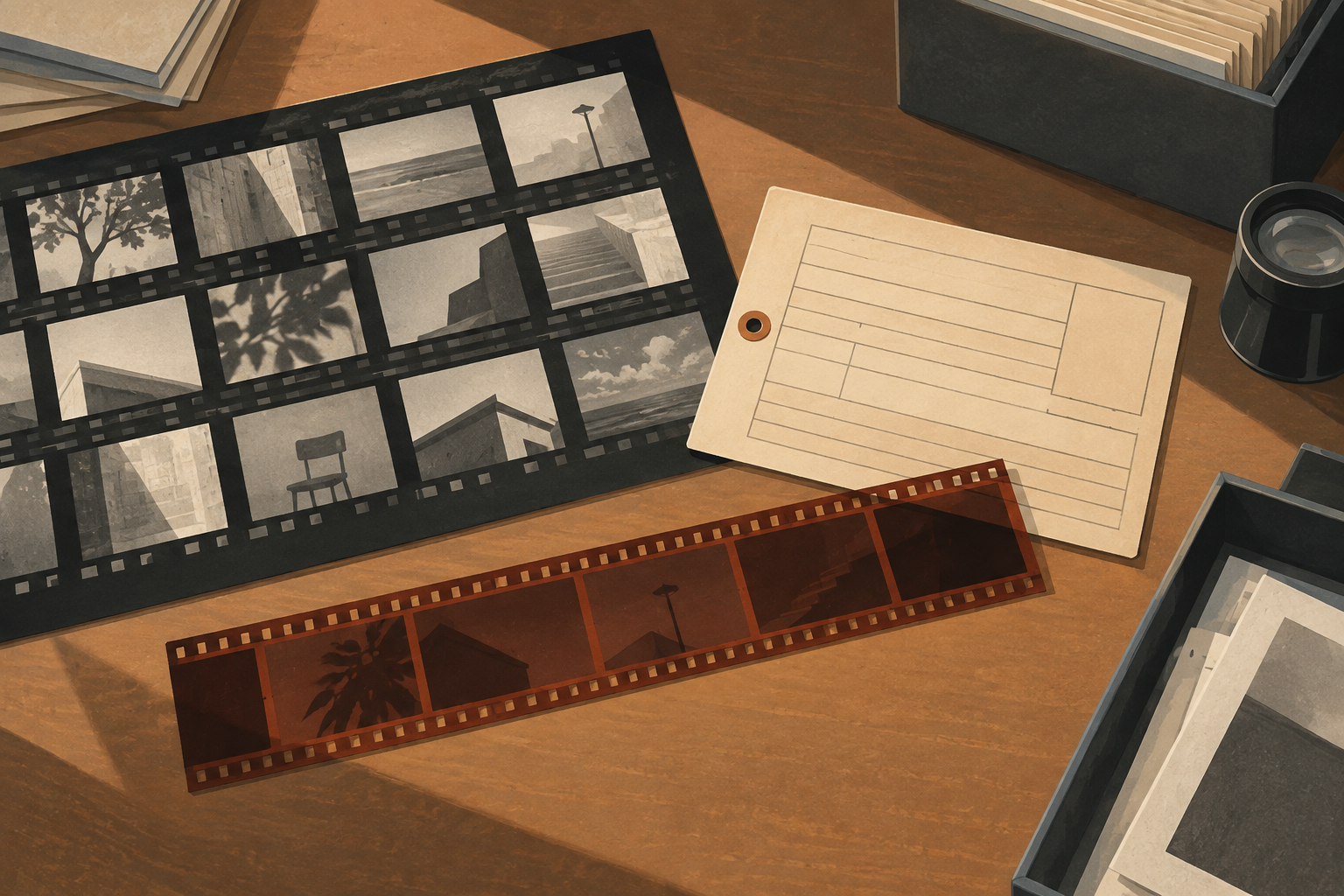
Photographs can provide visual context, but they cannot by themselves explain what happened before or after, who took the picture, or what fell outside the frame. The project on Santiago’s neighborhoods highlights the combined use of accounts and visual material. That combination invites researchers to cross-check sources and preserve information about each image’s origin rather than treating it as a transparent window onto the past.
The documentation on Barrio Abajo in Barranquilla explicitly discusses tensions among history, memory, and archives. It offers a useful methodological warning: documentary absences also shape what can be told. A practice’s absence from a consulted source does not prove that it did not exist; nor does it justify reconstructing it through conjecture.
Comparing without erasing differences
The cases gathered here cover different places and types of publication. The Managua text identifies 30 de Mayo as its research setting; the study on Villa Javier focuses on women, processions, and everyday life in a working-class Bogotá neighborhood in the early twentieth century. The latter explicitly defines a group, a place, and a period, allowing specific questions to be asked without extending its observations to other neighborhoods or generations.
A responsible comparison would ask which meeting places appear in each source, what activities participants describe, and which ages, occupations, or social relationships are documented. The supplied excerpts cannot answer those questions in detail. They do establish that projects have used neighborhood accounts, images, life stories, and oral history to investigate the memory of particular places.
What the sources allow us to say
The materials support a limited conclusion: a neighborhood’s everyday history can be investigated through testimony and visual archives, but each method produces a partial, situated record. The community initiative La Voz del Barrio states that its purpose is to recover neighborhood history, identity, and everyday life through resident participation. That description documents the initiative’s stated aim, not its results or the extent of participation.
The available excerpts do not provide a basis for reconstructing routines shared by all residents, establishing a complete chronology, or measuring how representative any testimony was. The editorial value of these cases lies in showing how research is framed and where evidence ends: discuss particular neighborhoods, attribute each claim to its source, and leave visible the questions that require consulting the full studies.
- Decade
- 2000s
- Region
- Latin America
- Level
- Enthusiast
- Entities
- No linked entities
Sources and references
- “Historia del Barrio 30 de Mayo, Distrito V, Managua (2000 ...repositorio.unan.edu.ni · 2026-10-01
- (PDF) Mujeres y procesiones. Vida cotidiana en un barrio ...www.academia.edu · 2026-10-01
- Repositorio Institucional de la Universidad Politécnica ...dspace.ups.edu.ec · 2026-10-01
- RECONSTRUCCIÓN DE LA HISTORIA (MATRIA) DEL BARRIO LIBERTAD A ...arje.bc.uc.edu.ve · 2026-10-01
- Memorias. Historias de barrios contadas por sus habitantesrepositorio.uchile.cl · 2026-10-01
- Presencias y ausencias en la documentación ... - SciELOwww.scielo.org.co · 2026-10-01
- Historias de Vida - La Voz Del Barriowww.lavozdelbarrio.org · 2026-10-01