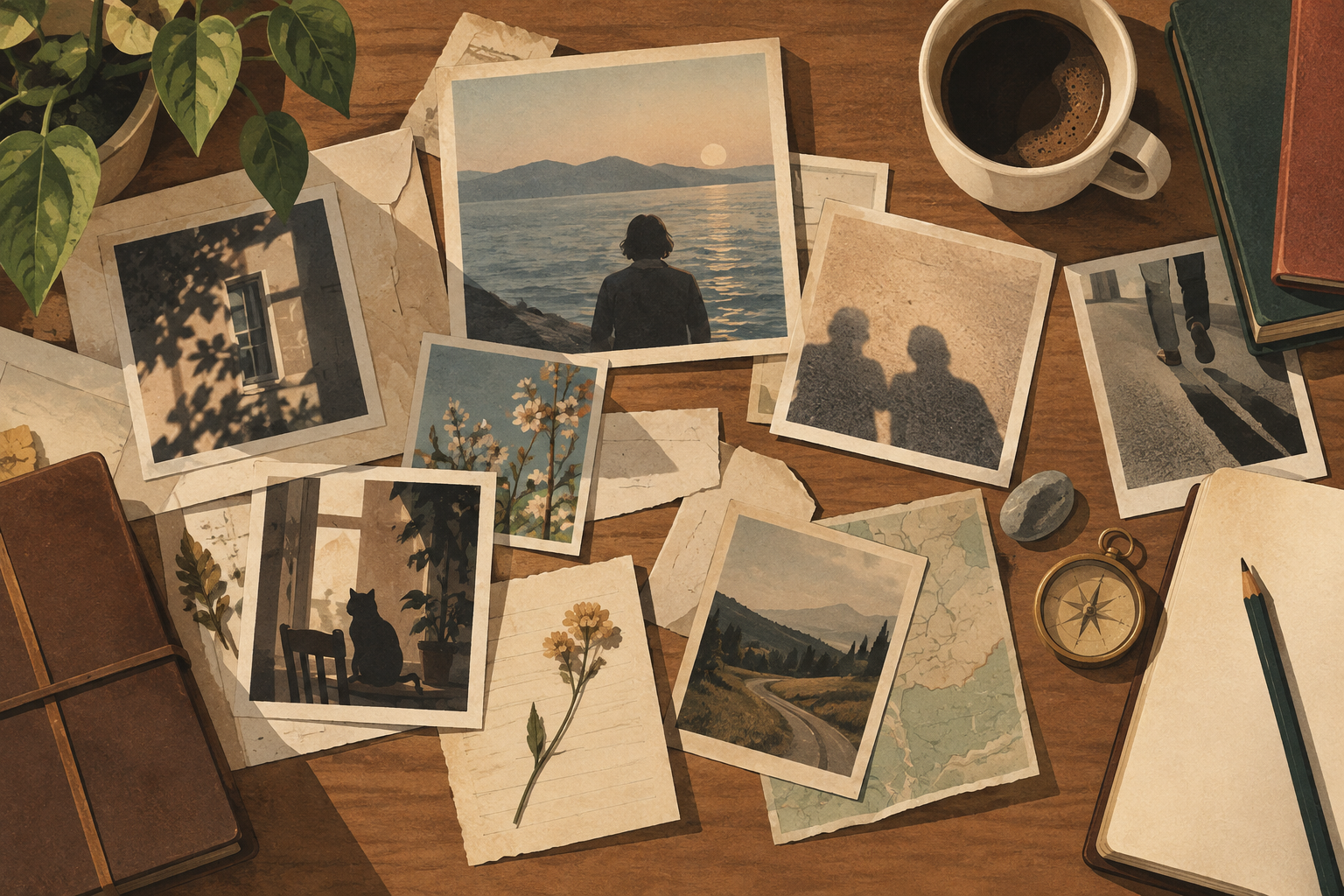
A family photograph can seem to offer a direct entrance to the past: someone poses, a room is held still, an object takes the foreground. But an image is not everyday life; it is a fragment produced under particular circumstances. When studying daily life between 1970 and 2009, it is useful to begin with that distinction. Archives let us ask questions; on their own, they cannot reconstruct every gesture, habit or experience.
The archive is not a transparent window
Photography and video are often associated with a rapid transformation of visual culture between 1970 and 2009. A RetroPause article about that period nevertheless proposes beginning with what archives allow us to affirm. That caution is a sound working rule: an image establishes that something was recorded, but does not automatically explain why that moment was chosen, what happened before it, or what fell outside the frame.
Framing shapes what we see. The surviving format, the identification of the image and the information accompanying it matter too. If we do not know who appears, where the image was made or for what purpose, presenting the scene as representative of a period or community goes beyond what the available evidence supports. An image can be valuable without answering every question.
The ordinary also needs context
The academic evidence supplied describes the history of everyday life as a flourishing historiographical current within a renewed social history. This helps locate the subject, but it does not make “everyday life” a self-evident category. A routine depends on relationships, places and conditions that a single photograph may not show.
Chapter titles registered with Crossref—on historiography, protagonists, and family and everyday life—point towards different questions: how this history is written, who appears as its protagonist, and what place the family occupies. The full contents of those chapters are not available here, so no specific arguments are attributed to them. Their titles do, however, remind us that daily life can be studied from different angles, and that choosing a focus is already a historical and editorial decision.
An exhibition cannot fill every gap
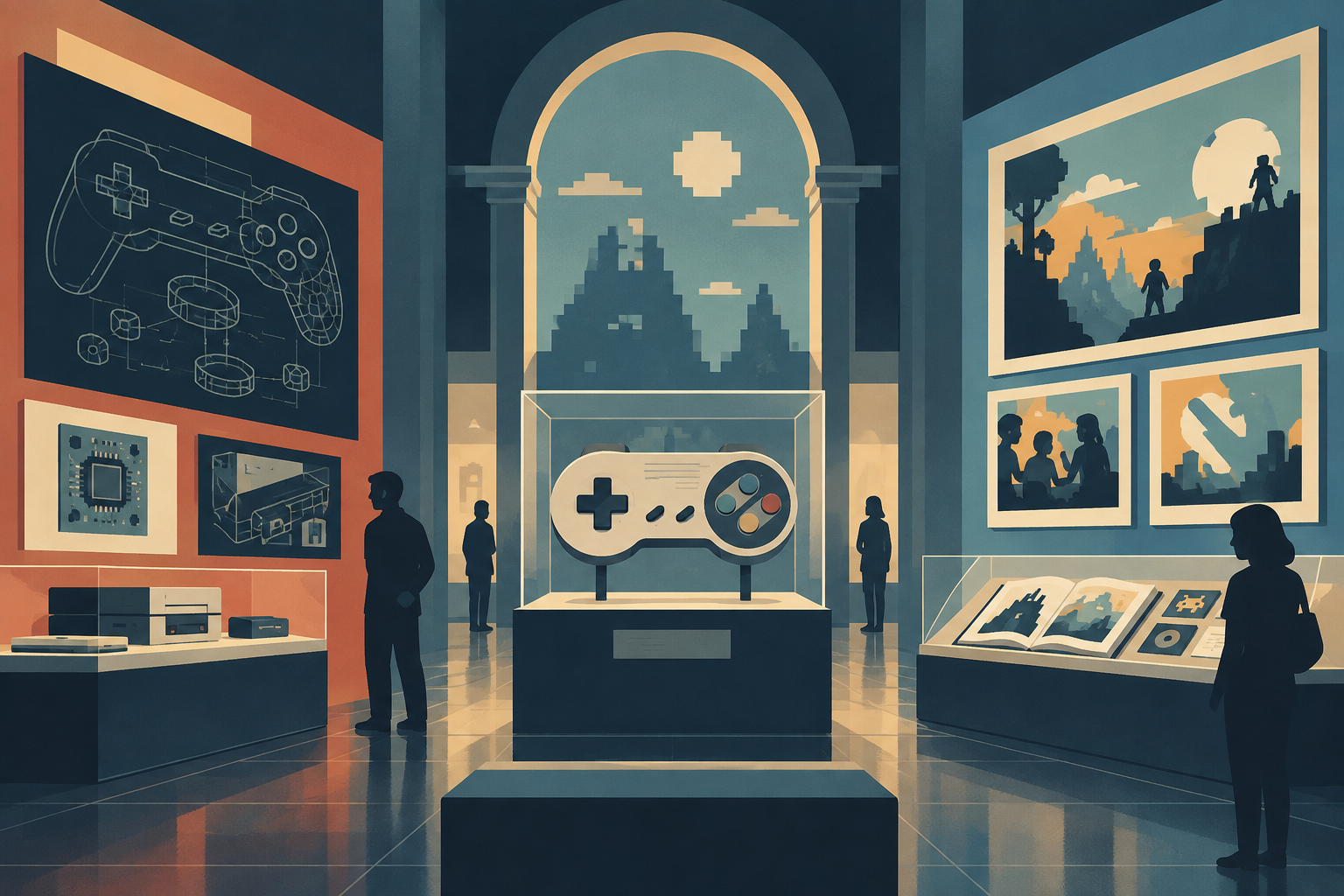
The Teatro Fernán Gómez event “Años 70. Fotografía y vida cotidiana” is described as an opportunity to discover the decade’s methodologies, artistic movements and attitudes. Its description places the exhibition not only in the images themselves, but also in the ways they are viewed and arranged. This distinction matters: an exhibition can provide context and make its choices visible, but the presence of photographs does not amount to a complete picture of society.
The catalogue “Imágenes de un siglo en España,” associated with an exhibition and described by the CSIC Royal Botanical Garden, brings together images and articles. That format combines visual materials with written interpretation. The combination can prevent a single image from carrying the entire burden of explaining a period. Even so, selection and commentary should be understood as an approach, not a comprehensive inventory of lived experience.
Ask who appears and who is missing
A careful reading asks who produced each document, what situation it records, and which contextual details have survived. It also asks about absences. A person or practice missing from a documentary collection does not, by itself, prove that they did not exist; the absence may reflect the limits of the collection, selection or preservation. Likewise, an image repeated in an exhibition does not automatically become a universal experience.
These questions do not diminish a source’s value. They make that value more precise. If a photograph shows a domestic scene, we can describe what is visible and state its limits. We should not turn one observation into a claim about every home, family or person in a period without further evidence. Caution prevents an appealing image from being mistaken for sufficient proof.
A useful reading, even when incomplete
The documentation available here supports a reflection on methods and limits, not an exhaustive history of a whole society’s habits. It includes references to the historiography of everyday life, chapters on family and protagonists, a photography exhibition about the 1970s, and a project of images covering a century in Spain. Together, they support the importance of examining both the documents and the decisions that turn them into a narrative.
The result need not be a closed reconstruction. It can be an honest account of what survives, accompanied by explicit questions about what is missing and what cannot yet be claimed. Photography makes an instant visible; historical work examines the conditions of that record and relates it to other sources. Everyday life, precisely because it is broad and repeated, cannot fit entirely into one image. Recognizing that does not diminish the past: it lets us approach it without confusing evidence, interpretation and certainty.
- Decade
- 2000s
- Region
- Spain
- Level
- Enthusiast
- Entities
- No linked entities
Sources and references
- FAMILIA Y VIDA COTIDIANA, II.doi.org · 2026-09-30
- LOS PROTAGONISTAS DE LA VIDA COTIDIANA, IV.doi.org · 2026-09-30
- LA HISTORIOGRAFÍA DE LA VIDA COTIDIANAdoi.org · 2026-09-30
- Fotografía y vídeo entre 1970 y 2009: lo que permiten afirmar loswww.retropause.com · 2026-09-30
- Años 70. Fotografía y vida cotidianawww.teatrofernangomez.es · 2026-09-30
- inmaculada Arias de saavedra Alías* La historia de la vida ...revistaseug.ugr.es · 2026-09-30
- Imágenes de un siglo en España: una mirada a la historia y la ...rjb.csic.es · 2026-09-30