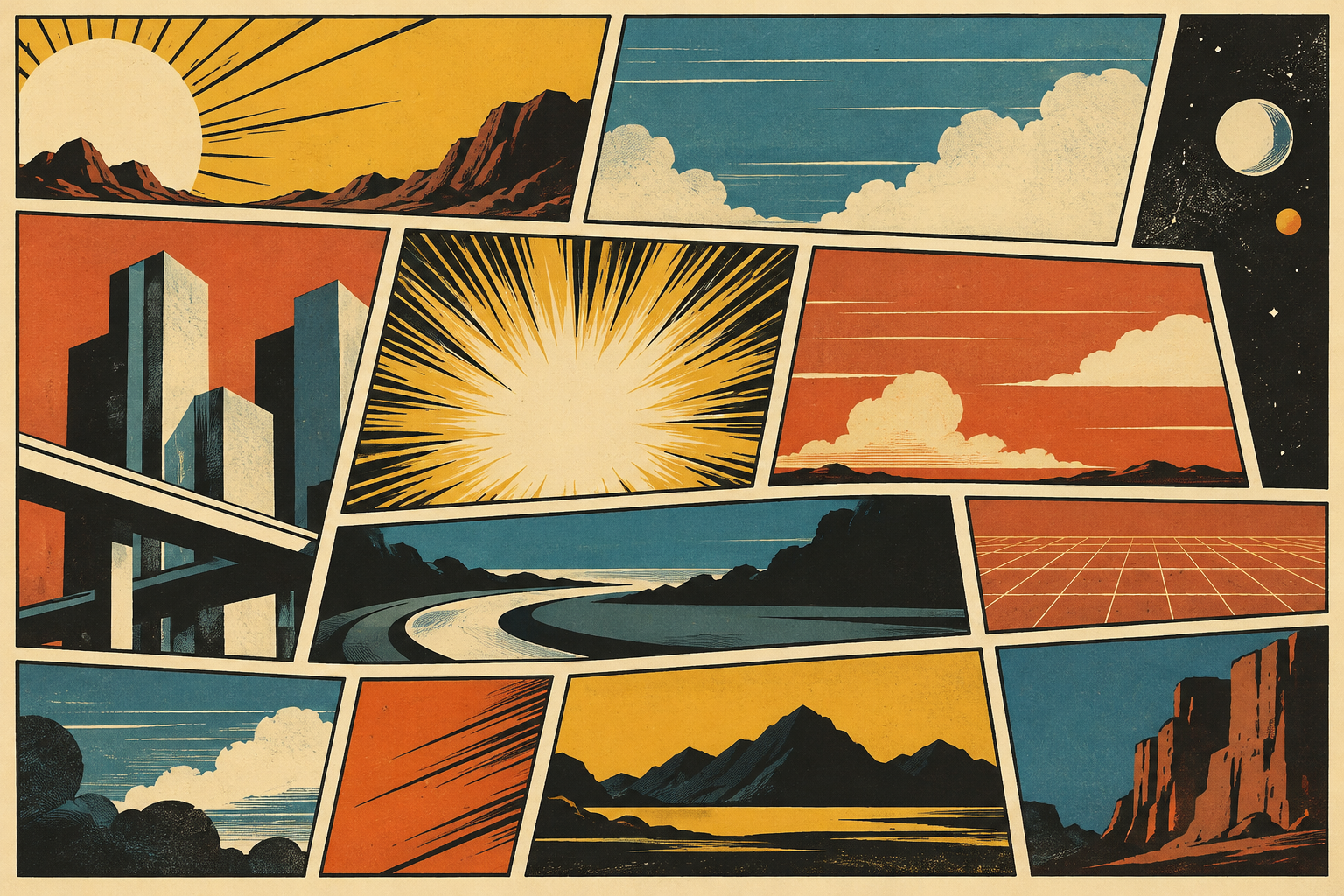
The 1970s represented a turning point for the comic book industry, not only because of the new stories published but due to the technical maturity in page construction. During this period, visual structure ceased to be a mere container for text and image to become an active element of the narrative. Available evidence suggests that readers of the time experienced the medium through specific design decisions that varied depending on the publication format, whether a monthly magazine or a collected album. This article analyzes how the organization of graphic space influenced the perception of the story, highlighting the importance of circulation and physical support in constructing the cultural meaning of the work.
The editorial context of the decade
The seventies witnessed major changes in major publishers such as Marvel and DC. For Marvel, this decade marked a phase of deep transformation, documented in volumes that chronologically cover the period. The industry was not only producing more content but refining how that content was presented to the public. The industrial consolidation of these companies implied a progressive standardization of certain elements, but also constant experimentation in panel layout. The reader of the time faced a medium that was defining its own aesthetic and narrative rules, moving away from the more rigid conventions of previous decades.
The page as a narrative tool
Graphic narrative in the seventies did not depend exclusively on the written script. The way space was organized on the page determined the rhythm, tension, and clarity of the story. Academic studies on comic formats indicate that panel design and visual flow decisively guided the reader's experience. The page became a map that the reader had to traverse, where each panel had a specific function within the sequence. This spatial dimension of comics is fundamental to understanding why certain stories worked better in one format than another, and how authors used design to reinforce the emotional impact of their tales.
Differences between consumption formats
One of the key contributions of current research is the distinction between different forms of comic consumption. Magazines and albums offered different experiences that modified the perception of the story. The magazine, with its periodicity and lighter format, imposed a reading rhythm and immediacy that the denser, collected album did not always share. This difference was not trivial; it affected how the reader related to the character and the plot. Evidence suggests that circulation conditions, including publication frequency and page size, were determining factors in the reception of the work. Ignoring these variables leads to an incomplete understanding of the comic cultural phenomenon of that era.
The role of criticism and academia
The legitimization of comics as an object of academic study has allowed for a deeper understanding of these technical aspects. Articles published in specialized journals, such as those by Rubén Varillas on formats, have contributed to systematizing knowledge about how the support influences the narrative. This academic gaze does not seek only to catalog, but to interpret. By analyzing comics as a cultural object, the complexity of its layers of meaning is highlighted. Research in this field is still developing, and although solid foundations have been established, there is still much to explore regarding specific edition cases and their concrete effects on the audience. Collaboration between art historians, communication scholars, and comic critics is essential to advance this understanding.
Limitations of current evidence
It is important to recognize that the available evidence has its limits. Although it can be safely asserted that page design was a crucial narrative tool, detailing how each specific decision affected each reader is a more complex task. Future research will need access to broader archives and testimonials from readers of the time to complete the picture. Moreover, the variability between regions and publishers makes generalizations difficult. What worked in a US publisher might not have had the same impact in a European or Latin American publication. Therefore, conclusions must be nuanced, acknowledging the diversity of editorial practices that coexisted during the decade.
The cultural relevance of design
Understanding 1970s comics through their visual design allows appreciating the sophistication of a medium that is often underestimated. The page was not a passive background, but an actor in the story. This perspective invites re-reading works from that era with renewed attention to graphic details. The cultural relevance of this analysis lies in its ability to reveal the intentions of authors and the strategies of publishers. Ultimately, comics are a form of art that combines text and image, and their power resides in the synthesis of both elements. The seventies were a laboratory where many of the conventions we take for granted today were forged, and studying that process is key to valuing the evolution of the medium.
Conclusion
The page structure in 1970s comics was a defining element of the reading experience. Beyond characters and plots, graphic design organized narrative time and space, influencing how the story was perceived. The distinction between magazine and album formats adds an additional layer of complexity to this relationship. Although research is ongoing, current evidence supports the idea that comics are a multidimensional medium where support and design are as important as content. Recognizing this dimension is essential for any serious analysis of comics as a cultural and historical phenomenon.
- Decade
- 1970s
- Region
- Global
- Level
- Enthusiast
- Entities
- Rubén Varillas, Mappa
Sources and references
- El cómic, una cuestión de formatos (2): revistas de cómics, fanzines, mini-cómics, álbumes y novelas gráficasdoi.org · 2026-10-20
- Historia y Cómics: una perspectiva francesadoi.org · 2026-10-20
- Marvel: La historia visual 1970-1979 Este tomo recorre de ...www.instagram.com · 2026-10-20
- Ibéroes: Racismo y crítica social en la apropiación ...www.tandfonline.com · 2026-10-20
- Historia de DC Comics 1934-2026: cronología completamycomicscollection.com · 2026-10-20